Did you know over half of the world’s staple crops are grown with the help of government fertilizer subsidy programs? This startling figure underscores not just the vast scale of these programs, but their profound influence on food systems, row crop farmers, and even the price of groceries in your local store. In this comprehensive guide, we break down how various national support structures—from bridge payments to large-scale assistance programs—shape not only farm income and risk management, but also the security of our global food system.
Unveiling the Scope of Government Fertilizer Subsidy Programs Worldwide
- An overview of government fertilizer subsidy programs
- The impact of these programs on global agriculture
- Bridge payments and their connection to market disruptions
Across continents, governments have invested billions into fertilizer subsidy programs to help stabilize input costs for farmers and shield domestic food production from market disruptions. These initiatives are especially crucial for row crop farmers—those who cultivate large swaths of staple crops such as wheat, corn, and soybeans. The design and delivery of subsidies have evolved, aiming to promote risk management and ensure the resilience of food systems.
Bridge payments, a special form of temporary financial relief, are increasingly tied to periods of severe market disruption—think abrupt price spikes caused by supply chain issues or global crises. Programs like the Farmer Bridge Assistance (FBA) Program have become a financial lifeline to agricultural producers facing mounting uncertainties, allowing for continuity in planting and harvest through unpredictable crop years. As we’ll see, these strategies are not only about easing financial strain but also about strategic, targeted policy intervention at the intersection of economics, climate, and farmer welfare.
What You’ll Learn About Government Fertilizer Subsidy Programs
- Key differences between major subsidy programs
- The implications for row crop farmers and food security
- The intersection with crop insurance and risk management
- Insights into farmer bridge assistance initiatives
A Short History of Government Fertilizer Subsidy Programs
Origins and Evolution of Fertilizer Subsidies
- Why subsidies began
- Key turning points in subsidy policy globally
The roots of government fertilizer subsidy programs stretch back decades, initially sparked by the urgent need for national food security following wars and global depressions. Subsidies often gained momentum during periods of crisis, as policymakers sought to ensure food sufficiency and stabilize farm incomes amidst unpredictable market fluctuations. Early programs, such as those ushered in by the United States’ Farm Bill or the Green Revolution initiatives in India, provided reduced-cost fertilizer access for row crop farmers to boost yield and preserve natural resources.
Over time, the philosophy behind these subsidies evolved—moving from blanket price controls to more targeted risk management and bridge assistance models. Major policy shifts often coincided with market or climate shocks, prompting new approaches to balance production incentives, resource conservation, and economic equity for both established and beginning farmers. The farm service agency and related organizations now play pivotal roles in administering these complex, often rapidly adjusted support structures, ensuring that the assistance reaches those most at risk from volatile input costs.

Market Disruptions and Their Role in Policy Formation
“Market disruptions have repeatedly prompted governments to rethink how they support farmers with inputs like fertilizer. ”
Financial markets, global trade shifts, and unpredictable energy prices can send fertilizer costs skyrocketing, threatening the viability of both large agricultural producers and beginning farmers and ranchers. Such disruptions have compelled governments worldwide to recalibrate their subsidy models and create rapid-response bridge payments. For example, the COVID-19 pandemic pressured food systems and revealed how essential flexible, well-targeted assistance programs are for the survival of row crop farming operations. Adaptation to these disruptions is now a fundamental feature of modern subsidy policy, making risk management strategies and bridge programs central pillars of international agricultural support.
Major Models of Government Fertilizer Subsidy Programs
Price Support Programs for Row Crop Farmers
- How price supports work – examples from the US and India
- Typical beneficiaries: row crop farmers and broader agricultural sectors
The backbone of numerous government fertilizer subsidy programs is the price support model. In the United States, for instance, the farm service agency administers federal programs that often guarantee a minimum price—known as the loan rate—for major crops. By supplementing direct input costs or offering bridge payments, these frameworks ensure a more predictable crop year for row crop farmers engulfed in volatile commodity and input markets. India’s subsidy infrastructure channels funds directly to fertilizer companies, lowering shelf prices and ensuring subsidized fertilizers are accessible even in remote rural areas.
The immediate beneficiaries of these price supports are agricultural producers—primarily those growing staple row crops—but the ripple effects touch the entire food system. More stable fertilizer prices contribute to lower food production costs, better risk management, and ultimately, greater food security. Notably, these price supports are continually refined to address unintended outcomes, such as over-application or environmental degradation, aiming for a more sustainable approach that balances farmer livelihood and conservation of natural resources.
Bridge Payments and Farmer Bridge Assistance Program Structures
- Temporary versus long-term bridge payments
- Case study: Farmer Bridge Assistance Program
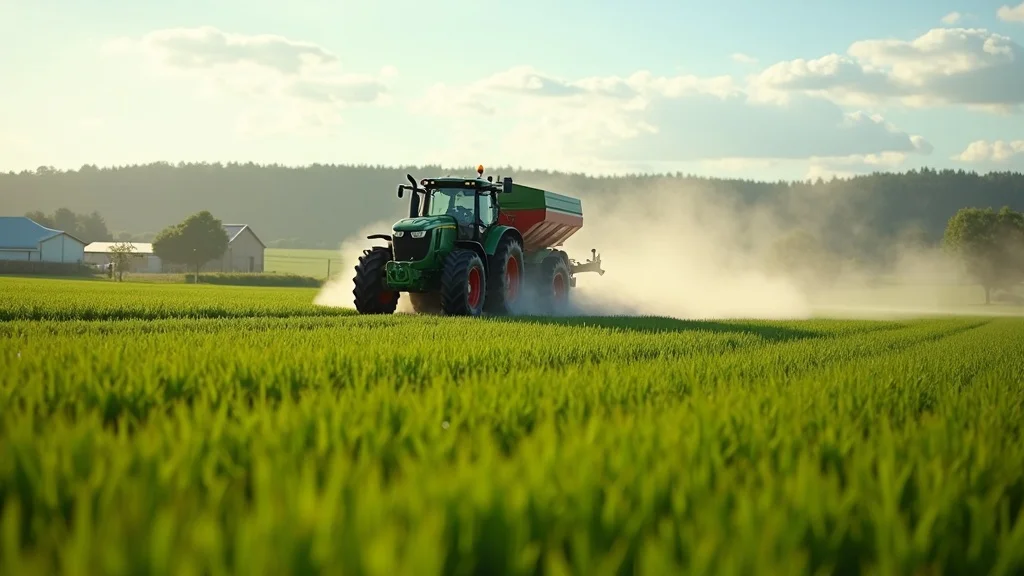
Bridge payments function as stopgap financial support during acute market disruptions or abrupt increases in input costs, like those experienced during global crises. These can take the form of lump-sum payments or structured installments, often determined by the severity of the disruption, the crop year, and the vulnerability of the producers—such as beginning farmers. In the United States, the Farmer Bridge Assistance Program (FBA Program) exemplifies a flexible, responsive approach. During times of multifaceted crisis, the FBA Program offers targeted aid to agricultural producers, ensuring farm operations survive until markets stabilize or regular subsidy mechanisms resume.
A major distinction in assistance program design lies in their duration: temporary bridge payments are issued in direct response to emergencies, while longer-term supports address chronic market volatility or regions with persistent cost barriers. By marrying immediate relief with strategic, risk management-oriented planning, governments create a safety net that underpins both production and innovation in food systems.
Comparative Analysis: Leading National Fertilizer Subsidy Programs
| Country | Eligibility | Payment Structure | Crop Coverage | Market Disruption Response | Risk Management Integration |
|---|---|---|---|---|---|
| United States | Row crop farmers, beginning farmers, subject to program guidelines | Direct payments, bridge payments during disruptions, crop insurance-linked assistance | Major staples (corn, soybeans, wheat, cotton) | Rapid-response bridge assistance (FBA Program), farm bill supplements | Crop insurance, risk management education, farm service agency initiatives |
| India | All registered farmers, disability/poverty preference | Subsidy routed via fertilizer companies to retailers/farmers | Rice, wheat, maize, sugarcane, pulses | Ad hoc subsidies, bridge payments in crises | Expanding crop insurance, targeted landholder support |
| Brazil | Licensed agricultural producers, co-op members | Soft loans for fertilizer purchase, direct input cost reductions | Soybeans, maize, sugarcane, coffee | Bridge support under drought/disaster declarations | Bundled insurance and financial assistance programs |
| Kenya | Smallholder row crop farmers | E-voucher subsidies, direct transfers, limited bridge payments for drought | Maize, wheat, tea, horticultural crops | Emergency programs during drought and price shocks | Pilots linking with crop insurance and risk management education |
How Crop Insurance and Risk Management Intersect With Fertilizer Subsidies
Integrated Assistance Programs: Crop Insurance & Fertilizer Subsidy Models

In modern agriculture, effective risk management demands the integration of various government supports. Crop insurance and fertilizer subsidy models often work in tandem to shield row crop farmers and agricultural producers from unpredictable crop years and market disruptions. In the United States, for instance, subsidies and bridge payments are increasingly tied to enrollment in federal crop insurance, administered via the farm service agency and department of agriculture.
Such linkages ensure that farmers not only receive support for input costs but are also incentivized to adopt risk-reducing practices. This helps both established and beginning farmers navigate a volatile global food system. For instance, in India and Brazil, policy reforms are underway to bundle fertilizer and insurance subsidies, making financial assistance more comprehensive and responsive to the changing realities of both climate and market risk.
Risk Management Strategies for Row Crop Farmers
For row crop farmers, managing risks has never been more complex or vital. Fertilizer subsidies—especially those linked to crop insurance or bridge payments—offer more than just short-term relief. They form part of an evolving toolkit for resilient, long-term farm financial health. Key approaches include the adoption of risk management education, conservation incentives through partnerships with the natural resource conservation service, and engaging in diversified insurance products.
Effective government programs now target both the acute crises (with immediate bridge payments) and chronic risks (with ongoing support and insurance linkages). Ultimately, success depends on flexible assistance that meets the needs of both large-scale agricultural producers and beginning farmers and ranchers, ensuring the next generation remains invested in food system stability and innovation.
Benefits and Critiques of Government Fertilizer Subsidy Programs
- Arguments for increased production and food security
- Concerns over market distortions, inefficiency, and environmental impacts
- Voices: Farmers, policymakers, and economists weigh in
Supporters contend that government fertilizer subsidy programs have fueled remarkable productivity gains, stabilized the food system during market disruptions, and protected smallholders from sudden income loss. Especially for row crop farmers and agricultural producers facing volatile input costs, these subsidies can be the difference between survival and bankruptcy in a tough crop year.
However, critics point to persistent issues: market distortions (such as overuse leading to environmental harm), inefficiency in fund delivery, and challenges in ensuring the benefits reach beginning farmers and the most vulnerable segments. Economists have long debated whether such subsidies create dependencies rather than fostering innovation and sustainable practices. Policymakers are increasingly experimenting with smarter subsidy targeting and linking assistance with conservation or risk management goals to address these concerns.
“While government fertilizer subsidy programs offer essential risk management for growers, the challenge lies in targeting benefits efficiently. ”
Case Studies: Market Disruptions and Subsidy Policy Responses
- COVID-19 impacts and response in the US
- Global energy shocks and fertilizer price volatility
- The evolution of bridge payments during crises
The COVID-19 pandemic dramatically stressed food systems, exposing gaps and spurring innovation in subsidy delivery. The US government responded with emergency bridge payments via the Farmer Bridge Assistance Program, anchored by rapid supplements to the farm bill. Similar trends emerged globally: India and Kenya deployed digital assistance to ensure fertilizers reached the fields during lockdown. Energy crises and major fertilizer price spikes, fueled by geopolitical shocks, accelerated policy innovation and made governments more responsive to rapidly evolving market conditions.
Each market disruption has taught policymakers the critical importance of nimble bridge payments and robust risk management. The evolution of these programs illustrates a commitment to learning from crises, adapting the mix of subsidies, and fortifying the resilience of agricultural producers against both immediate threats and systemic food system vulnerabilities.

List of Countries With Notable Government Fertilizer Subsidy Programs
- United States
- India
- China
- Brazil
- Nigeria
- Kenya
- Pakistan
Key Takeaways: Understanding the Landscape of Government Fertilizer Subsidy Programs
- Subsidies are instrumental in risk management and support for row crop farmers
- Interconnectedness of fertilizer programs, crop insurance, and market stabilization
- Best practices and lessons from leading national programs

Frequently Asked Questions about Government Fertilizer Subsidy Programs
Does the US government still subsidize farmers?
Yes, the US maintains a range of government fertilizer subsidy programs along with other initiatives to support farmers, especially during market disruptions or for certain row crop farmers. Programs are periodically reviewed and updated.
What is the National Fertilizer Subsidy Program?
The National Fertilizer Subsidy Program refers to major federal or state-level interventions targeted at reducing fertilizer cost for farmers—often as part of a broader risk management and assistance program.
How much will the farmers get paid in 2026?
Payment estimates for 2026 depend on specific government fertilizer subsidy programs, crop type, market conditions, and planned bridge payments. Recent projections suggest a range that will be influenced by global market disruptions and domestic policy changes.
Who qualifies for the farmer bridge assistance program?
Eligibility for the farmer bridge assistance program typically includes row crop farmers directly affected by market disruptions or adverse weather, as determined by specific program guidelines.
Watch: Government Fertilizer Subsidy Programs Illustrated
Short animated explainer video summarizing how government fertilizer subsidy programs support farmers—using visuals of farmers, policy meetings, fertilizer distribution, and infographic charts for clear illustration; 60-90 seconds in length, neutral voiceover, accessible captions, brand-aligned palette.
Conclusion: The Future of Government Fertilizer Subsidy Programs
- Shifting trends in global agricultural support
- Balancing productivity, equity, and sustainability
The coming decade will likely see smarter, more sustainable fertilizer subsidy models—designed to support food security, empower row crop farmers, and protect natural resources for generations to come.
Learn How to Benefit from Government Fertilizer Subsidy Programs Today
To make the most of existing subsidy programs, visit your official government agriculture website and consult with your local farm service agency for program eligibility, risk management resources, and the latest on bridge assistance options available for the upcoming crop year.