Did you know that over 60% of Africa’s working population depends on agriculture, yet the continent loses billions annually due to fragmented agricultural policies? This simple statistic exposes a complex and urgent challenge: while agriculture forms the core of Africa’s economic engine and food security, the lack of regional agreement in policy stunts growth, discourages investment, and undermines the dreams of millions of farmers. In this article, you’ll discover why regional agriculture policy harmonization doesn’t just matter—it’s essential for unlocking Africa’s agricultural promise.
- What You’ll Learn:
- The significance of regional agriculture policy harmonization for Africa’s economic growth
- How harmonization of seed regulations impacts the seed industry and regional trade
- Real-life examples showcasing successes and challenges
- Addressing common misconceptions about policy harmonization
- Actionable steps for promoting unified agricultural policies
A Startling Look: The Current State of Regional Agriculture Policy Harmonization

The modern African agricultural sector stands at a crossroads. As the world becomes increasingly interconnected, African countries face critical choices about navigating regional agreements and building unified policies that govern how food, resources, and innovations cross borders. While the dream of a seamless regional market resonates from West Africa to southern Africa, the current landscape is shaped by a patchwork of national seed regulations, scattered variety controls, and differing phytosanitary standards. This disjointedness directly impacts the seed market, the trade in varieties and seed, and ultimately the ability of local farmers to compete on a larger stage.
“Over 60% of Africa’s working population depends on agriculture, yet fragmented policies cost the continent billions annually.”
The reality is that, unlike the EU Common Agricultural Policy or the frameworks seen in OECD countries, African nations have not yet achieved widespread harmonization to world standards. This leads to restricted seed movement, inconsistent enforcement of variety introduction or controls, and a lack of trust among regional countries in the region. The inability to establish regional agreements means missed opportunities for shared prosperity: private sector seed companies find it difficult to operate at scale, and small farmers struggle with limited access to improved seeds and modern farming practices. Even where regional seed industries and domestic seed trade are robust, the lack of harmonized rules suppresses the broader regional market potential.
The Role of Regional Agriculture Policy Harmonization in Boosting Regional Trade
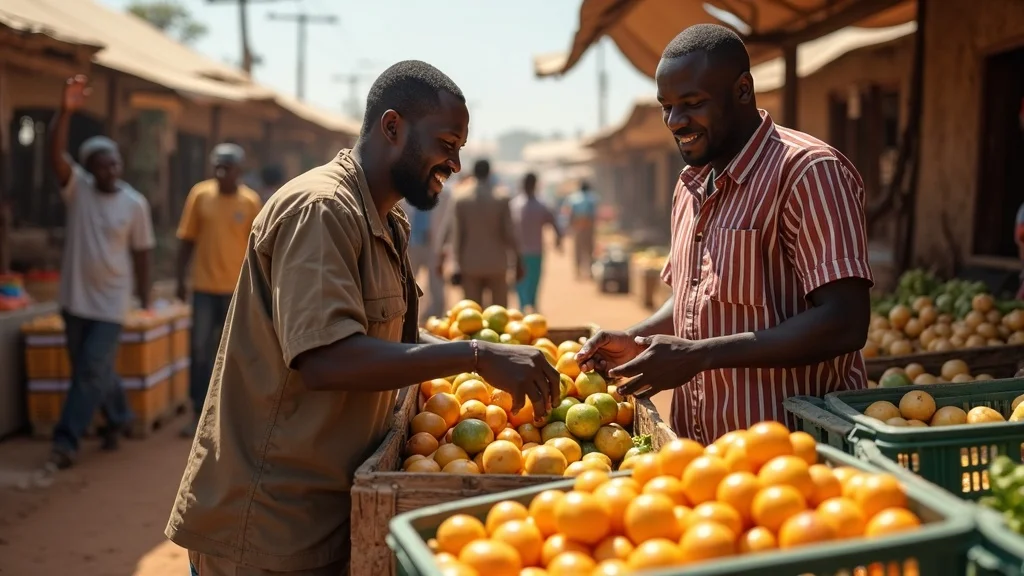
Unified regional agriculture policy is the cornerstone of accelerated regional trade—especially for the seed industry. In Africa, where the seed industry underpins both food security and economic growth, harmonization of seed regulations is paramount. When countries collaborate through a regional agreement, the ease of cross-border trade for seeds and agricultural goods is dramatically improved. This mirrors successful practices in Central America and the European Union, where harmonization to world best practices has unleashed competitive regional trade environments.
Regional agriculture policy harmonization ensures that farmers and seed companies are operating under similar rules, catalyzing a thriving regional market. For example, streamlined certification processes based on OECD seed schemes can benefit smallholder farmers, enabling them to tap into new innovation and participate confidently in seed trade. This reduces the regulatory burdens caused by variation among national seed authorities and removes bottlenecks that previously stifled market growth across member states.
Harmonization of Seed Regulations: Unlocking the Potential of the Seed Industry
- Ease of cross-border seed movement and innovation
- Creation of competitive regional trade environments
- Streamlined certification processes benefiting smallholder farmers
| Factor | Fragmented Policies | Harmonized Policies |
|---|---|---|
| Seed Movement | Restricted | Free-flowing |
| Market Access | Limited | Expanded |
| Regional Trade | Slow | Accelerated |
| Innovation Adoption | Sporadic | Widespread |

Understanding the harmonization of seed regulations means diving into how countries in the region can align legal requirements for seed import, seed certification, and phytosanitary controls. The impact on the seed industry is profound: by adopting world best practice through regional agreement, member governments enable faster and more predictable seed trade, and empower private sector seed companies to invest in breeding, variety introduction, and support to smallholder markets. The result? A more robust seed market, improved food security across southern Africa, and a forward path toward African-wide prosperity. Such models not only benefit individual farmers and the seed industry but also support greater regional market integration—a proven accelerator of development according to the World Bank and other international bodies.
The Challenges and Realities of Implementing Regional Agriculture Policy Harmonization
Navigating Political, Economic, and Infrastructural Barriers

Despite the clear advantages of regional agriculture policy harmonization, several significant barriers remain. Mismatched national regulations result in costly delays for both seed import/export and the certification of new crop varieties. Each member government has its own enforcement capacity—often limited by a lack of skilled human resources or modern administrative systems. This makes it difficult to implement and maintain harmonized standards, even after a formal regional agreement has been signed.
- Current Challenges:
- Mismatched national regulations
- Lack of enforcement capacity
- Political reluctance or competing interests
Political reluctance or competing interests further exacerbate these problems, as individual states sometimes prioritize short-term national interests over long-term regional gains. Complicating matters, infrastructural constraints—such as limited transport networks and inconsistent market information systems—hinder the effective movement of seeds and the standardized tracking of seed markets. Lessons from OECD countries and the EU common market show that regional policy harmonization is most effective where there is strong political will, continuous stakeholder engagement, and sufficient investment in monitoring systems.
Real-World Examples: Success Stories and Lessons Learned
“Regional agriculture policy harmonization is not just an administrative exercise; it’s the backbone of Africa’s food security.”

Despite the hurdles, several African regions have taken decisive steps toward harmonization with notable results. In southern Africa, the Southern African Development Community (SADC) has championed a harmonized seed certification system that echoes world seed industry best practices and integrates member governments into a unified regulatory framework. Similarly, East African Community (EAC) member states have developed an aligned seed market protocol, leading to increased seed trade and easier access for farmers to certified, improved seed varieties.
Key lessons emerge from such initiatives: regional policy harmonization requires ongoing political commitment, transparent dialogue among member states, and strong links with both the private sector and civil society. For example, when the West African Economic and Monetary Union (WAEMU) set out to reform their seed regulations, they included local seed companies, farmers’ organizations, and international development partners like the World Bank in the design and implementation process. These inclusive processes ensured harmonization to world standards and enabled effective variety controls, variety introduction, and reliable tracking of seed imports/exports. The resulting vibrant regional seed industries attest not only to the feasibility of harmonization but to its power to drive real change in African agriculture.
Frequently Asked Questions About Regional Agriculture Policy Harmonization
What is regional agriculture policy harmonization and why is it important?
Regional agriculture policy harmonization refers to the process of aligning laws, regulations, and standards across countries in a particular region—for example, rules on seed certification, market access, and phytosanitary controls. Its importance lies in enabling free-flowing regional trade, fostering innovation in Africa’s seed industry, promoting food security, and building stronger regional markets. Harmonized policies lower trade barriers and create a collaborative environment where countries can benefit more equally from agricultural advancements.
How does policy harmonization impact the seed industry and farmers in Africa?
Policy harmonization directly improves the seed industry by creating consistent standards for seed companies operating across borders. When regulations are streamlined, seed trade is easier, seed certification processes are faster, and smallholder farmers get better access to high-quality varieties and seed. These benefits extend to the entire agricultural value chain, enabling regional seed industries to flourish, increasing farmer income, and stimulating the growth of robust seed markets recognized by global entities like the World Bank.
What are the main barriers to effective regional trade in agriculture?
Main barriers include mismatched national seed regulations, weak enforcement of existing regional agreements, insufficient infrastructure (such as roads and information networks), and political reluctance stemming from competing interests among member governments. Addressing these obstacles requires not only formal agreements but also ongoing commitment, improved enforcement capacities, and meaningful stakeholder engagement to build resilient regional agricultural systems.
Are there successful models of harmonized agriculture policies in Africa?
Yes. Notable models include the SADC harmonized seed certification framework and the EAC’s regional seed protocol. These initiatives demonstrate how harmonization can rapidly expand regional markets, attract private sector investment, and support national seed industry growth. The involvement of multiple stakeholder groups—including seed companies, member governments, and civil society—has been key to achieving lasting, positive change for farmers across countries in the region.
Key Takeaways: The Future of Regional Agriculture Policy Harmonization in Africa
- Essential Points to Remember:
- Regional agriculture policy harmonization is vital for continental food security and economic prosperity
- The seed industry plays a crucial role in shaping the effectiveness of regional trade
- Overcoming legal, political, and infrastructural challenges requires sustained political will and collaboration

The path forward is clear: Africa needs regional agriculture policy harmonization to secure sustainable growth, empower its farmers, and safeguard its future. Modernizing the seed market, scaling up successful regional agreements, and learning from world best practices will be crucial. With continued collaboration between member governments, private sector seed companies, and civil society, Africa can transform fragmented efforts into unified, continent-wide success.
Be Part of the Transformation: Support Regional Agriculture Policy Harmonization Initiatives
Every stakeholder—from farmers and agribusinesses to policymakers and consumers—has a role in supporting unified agricultural policies. Whether by advocating for reform, participating in regional dialogues, or investing in the seed industry, your efforts can help Africa achieve a secure, prosperous agricultural future. Get involved and champion regional agriculture policy harmonization today.