Did you know that over 70% of farmers are concerned about their agricultural data being misused, yet only 20% feel clear about who actually owns it? The digital revolution sweeping across fields isn’t just about higher yields or smarter irrigation. With every weather sensor and drone pass, farms generate enormous quantities of valuable agricultural data—and the rules for how this data is governed have never been more puzzling or more important. This article takes an unconventional, thorough look at agricultural data policy privacy, helping you understand what’s at stake, why ownership and privacy matter, and what the future could hold for the world’s farmers and food system.

An Unconventional Look at Agricultural Data Policy Privacy
“Did you know that over 70% of farmers are concerned about their agricultural data being misused, yet only 20% feel clear about who actually owns it?”
Too often, headlines about farm data and privacy in agriculture focus on dramatic breaches or complex regulations—without ever addressing the daily reality for farmers, agribusinesses, and technology providers. The truth? Agricultural data policy privacy is not just an abstract legal concern, but a daily challenge for those who grow our food. As big data and AI-driven tools become the backbone of the agricultural sector, understanding who owns, shares, and profits from data ownership is now as central as knowing when to plant the seed or calibrate machinery. Whether you’re a farmer debating a new equipment lease, a policymaker drafting regulations, or a consumer who cares about food production and personal data, this discussion impacts you, your privacy, and our global food future.
What You’ll Learn About Agricultural Data Policy Privacy
- The complex landscape of agricultural data ownership
- How data privacy and protection policies affect farmers and agribusinesses
- The role of technology and artificial intelligence in ag data privacy
- Challenges and recommendations for responsible data sharing in agriculture
- Current and future directions for privacy policy and regulation in the sector
Understanding the Foundations of Agricultural Data Policy Privacy

Defining Agricultural Data and Farm Data in Modern Agriculture
What counts as agricultural data? In today’s digital fields, ag data stretches way beyond what a notebook or ledger could ever hold. It might include raw data gathered by satellites, sensors sending real-time updates on soil moisture, drone footage mapping crop diseases, and even transactional records with buyers or agronomists. As farms embrace automation, “farm data” takes on an increasingly diverse, rich meaning, covering everything from field-level GPS coordinates to the yield of a single row of corn.
Crucially, this data is more than just information—it’s the lifeblood of modern decision-making. In the hands of farmers, it means better risk management, precision farming, and resource optimization. For data owners like agtech companies and input suppliers, it’s a springboard for innovation, fueling everything from new seed hybrids to insurance models. Yet, as data collection grows, so do questions about data ownership—who controls access, who benefits, and who’s responsible when a data breach or privacy risks emerge.
How Ag Data Fuels Decision-Making and Innovation
The value of agricultural data extends far beyond a single season. Farms leverage big data for everything from planting schedules and fertilizer optimization to tracking equipment health and predicting market prices. Major companies aggregate millions of data points to develop machine learning models, ultimately transforming how farms operate and how food gets from field to table.
However, as data management grows more sophisticated, the inherent risks also increase. The rise of artificial intelligence and machine learning in agriculture means that both the opportunities—and the risks—are scaling rapidly. Transparency and responsible data stewardship are essential to realizing the benefits without sacrificing farmer autonomy or privacy.
Data Privacy and Data Ownership: The Core Issues
Legal Frameworks Surrounding Agricultural Data Ownership

Does your farm’s data belong to you, your equipment provider, or the cloud platform where it’s stored? The answer is, it depends. Data ownership in agriculture is a legal gray area, influenced by contracts, privacy laws (like the EU’s GDPR or the emerging frameworks in the United States), and the fine print in agreements with equipment and technology providers.
Many privacy and privacy policy documents require explicit consent for data sharing but may not clearly define who ultimately controls or profits from the data. In some regions, legal frameworks are evolving—sometimes driven by collective bargaining (like through the American Farm Bureau), other times led by private companies or trade groups. The lack of standardization means that two farmers using the same software in different states or countries may have very different rights and obligations regarding personal data and agricultural data. This uncertainty makes robust, accessible privacy policies more crucial than ever.
The Importance of Data Privacy in Agriculture
“Privacy policies in agriculture do not just protect personal information; they are shaping the future of farming.”
Why is data privacy in agriculture such a big deal? For starters, farm data contains competitive secrets—yield maps, crop rotation records, and even economic data that can influence contract negotiations and insurance rates. When privacy is breached or unauthorized access occurs, the ramifications extend from lost profits to reputational damage or unfair market advantages.
Beyond economics, privacy in agriculture touches on rural independence, technological trust, and the social license to operate. A deliberate, well-communicated data privacy policy doesn’t just mitigate risk; it builds trust between farmers, technology providers, and consumers, ensuring that innovation is underpinned by respect for individual data rights and values.
Data Privacy in Agriculture: Policies, Protection, and Risks
How Data Protection Measures Safeguard Farm Data

Robust data protection measures form the backbone of trustworthy agricultural data systems. Encryption, secure cloud storage, user authentication, and multi-level access are increasingly standard in data management platforms. When designed and deployed effectively, these tools can prevent data breaches, deter unauthorized access, and ensure only verified users handle sensitive personal information.
But technology alone isn’t enough. Well-crafted privacy policies outline how data is collected, what it’s used for, and how it will (or won’t) be shared. This transparency enables farmers to make informed decisions and hold agtech companies accountable, aligning with global trends in privacy law and best practices for data privacy in agriculture.
Personal Information and Sensitive Ag Data: Where the Boundaries Blur
What’s more private: the GPS location of a specific field, or the contact details of a farm manager? Increasingly, both are categorized as personal data under emerging privacy law. The boundary between actual personal information and sensitive business data is rapidly blurring, especially as ag data becomes finer-grained and AI models use it for highly targeted recommendations.
For farmers and agribusinesses, the key question is not just whether the data is protected, but who decides how it is qualified, classified, and controlled. Recognizing these nuances is the first step toward crafting meaningful privacy policies and advocating for fair data ownership standards.
Emerging Privacy Policies for Responsible Data Use
The agricultural sector is experimenting with a mix of voluntary codes, company-specific privacy statements, and regional regulations. Terms like “responsible data” and “privacy and security” are appearing in more contracts, but enforcement—and farmer understanding—remains a work in progress.
Some industry leaders are pushing for standardized, easy-to-read policies, with clear language on consent, sharing, and intellectual property. Others advocate for “data portability,” allowing data owners—usually the farmer—the freedom to move their data easily between platforms. Whether through self-regulation or new government standards, the demand for transparent, actionable privacy policy solutions is reaching a critical point.
Who Really Owns the Data? Farmers, Corporates, and Third Parties

Data Owners in the Age of Big Ag
Who are the real data owners of the agricultural revolution? In many cases, the answer is shared—farmers generate farm data, but corporations (such as technology providers, crop insurers, and grain buyers) process, store, and analyze it. Contracts may stipulate data-sharing rights, but the balance of power often leans toward those with the best technology and deepest legal resources.
This dynamic raises crucial questions about competition, farmer autonomy, and the fair distribution of value from raw data. As agricultural data becomes as valuable as the crops themselves, negotiating robust data ownership and usage policies is no longer optional—it’s essential for industry sustainability and equity.
Intellectual Property vs Data Ownership: What’s at Stake?
There’s a fine line between intellectual property—like patented seed genetics—and the “ownership” of the data generated on a field. Who profits from a yield improvement algorithm built on millions of farmer-generated data points? Do individual data owners deserve royalties, or is aggregated data a communal resource?
Legal battles and new policy proposals worldwide are examining these questions. The future of privacy policy in agriculture may hinge on how clearly contracts distinguish between personal, commercial, and proprietary al data —with ripple effects for every farmer, supplier, and consumer in the supply chain.
The Role of Artificial Intelligence and Technology in Ag Data Policy Privacy

Applications of Artificial Intelligence and Data Privacy Challenges
Artificial intelligence is rapidly transforming agribusiness—from predictive pest control to automatic harvesting and even autonomous tractors. These systems depend on vast streams of agricultural data: satellite imagery, raw sensor outputs, crop health records, and individual farm management habits.
But powerful new tools create powerful new risks. If data privacy is poorly managed, AI models could inadvertently expose trade secrets, personal habits, or even strategic positioning for individual or community growers. The potential for data breach grows as more stakeholders gain access to farm-level detail, making data protection and regular privacy reviews non-negotiable for every technology provider and data owner involved.
Balancing Innovation and Privacy in Agricultural Technologies
Is there a sweet spot where privacy and security support, rather than stifle, agtech innovation? Absolutely—but only if all parties commit to transparent, accountable practices. This balance means embedding privacy policies within development cycles, conducting regular audits, and ensuring all farm data used in AI and machine learning tools is collected with genuine, explicit consent.
The most successful platforms engage both data science and real-world farmers in developing these guardrails. As policy catches up with technology, a joint emphasis on innovation and responsible data use will be the watchwords of sustainable digital transformation in the agricultural sector.
Ethical Considerations: Responsible Data and the Future of Agricultural Policy
Farmers’ Rights and Responsible Data Practices
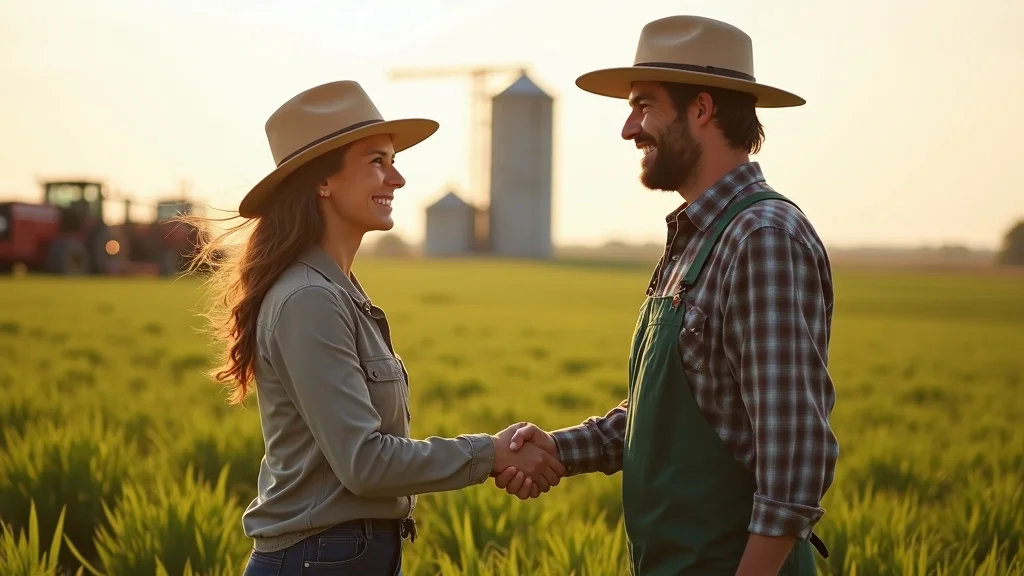
Ethics matter just as much as regulations in agricultural data policy privacy. Farmers have a right to know who accesses their farm data, how it will be used, and whether it will be resold or aggregated. Responsible data practice isn’t just about compliance—it’s about protecting family legacies and local knowledge against exploitation or misuse.
For policymakers and companies, this calls for open dialogue and ongoing education, helping demystify both privacy policy fine print and new legal concepts. By promoting farmers’ rights, the entire industry benefits from higher transparency, increased trust, and stronger collective outcomes.
Transparency and Trust through Privacy Policies

The foundation of modern agtech is trust. That trust is built through ironclad privacy policies, clear communication, and a willingness to work through new challenges as they arise. Farmers and stakeholders increasingly expect not just legal compliance, but active partnership—where data owners have real power to shape and revise policies as technology and risk landscapes evolve.
The future of privacy in agriculture belongs to those organizations willing to invest in both ethical rigor and practical innovation. Responsible data use, clearly-defined data ownership, and strong personal connections—these are the cornerstones of a thriving digital farm economy.
A documentary-style video highlighting recent real-world cases of agricultural data privacy policy breaches, featuring interviews with farmers, data security experts, and agritech company spokespeople. Includes visuals of digital farms, IT security measures, infographics, and legal case discussions to illustrate impacts and lessons learned.
Table: Comparing Agricultural Data Policy Privacy Laws Across Regions
| Region | Key Law or Policy | Who Owns the Data? | Consent Required? | Noteworthy Risks/Benefits |
|---|---|---|---|---|
| European Union | GDPR, Code of Conduct for Agricultural Data Sharing | Mainly the originating party (farmer), but contracts vary | Yes | Strong user rights; high compliance burden |
| United States | Patchwork of state laws, Farm Bureau Principles | Depends on contracts with vendors/providers | Varies by provider; not always explicit | Innovation leads regulation; legal uncertainty |
| Australia | OAIC Privacy Act, Australian Farm Data Code | Farmer or landholder in most cases | Yes | Emphasis on portability and fairness; enforcement still developing |
| Brazil | LGPD (General Data Protection Law) | Generally the producer/farmer | Yes | Modeled on GDPR; many farms still adapting |
Why Policy Matters: The Impact of Agricultural Data Policy Privacy on the Industry

- Economic implications for farmers and agribusiness
- Regulatory challenges for global agricultural data protection
- Case studies showcasing successes and failures
Unchecked or poorly crafted agricultural data policy privacy can lead to more than just confused farmers: it creates inequitable markets, increases legal risk, and undermines trust in technology. Conversely, clear and fair policies empower farmers to extract maximum value from farm data, enable responsible research, and help regulators respond nimbly to emerging risks (like data breach or AI misuse).
Industry case studies reveal that forward-thinking data owners—those who embed clear, transparent privacy policies—tend to see better long-term partnerships, stronger financial outcomes, and faster adoption of new tools. The lesson? Policy is not just paperwork; it’s the engine of a resilient digital ag future.
Expert Opinions: Quotes from Industry Leaders on Agricultural Data Policy Privacy

“Data privacy in agriculture is not just a legal issue—it’s a matter of trust, responsibility, and equity.”
Across interviews with farm bureau representatives, technology CEOs, and academic researchers, one theme recurs: data privacy in agriculture underpins everything from rural livelihoods to global food security. As new risks surface and old regulations get revised, industry leaders advocate for practical, enforceable, and farmer-friendly frameworks built on trust, rather than secrecy or complexity.
In the end, it’s about collaboration—farmers, companies, and consumers finding common ground so that agricultural data serves everyone’s best interests, now and in the seasons to come.
People Also Ask
[[Insert PAA Question 1]]
Effective agricultural data policy privacy measures begin with clear agreements on data ownership and explicit consent for data use. Farmers should carefully review all technology contracts and privacy statements, seeking out transparent policies and, if needed, third-party advice. Regular audits, robust data protection, and staying updated with the latest in privacy law help ensure both privacy and productivity are maintained.
[[Insert PAA Question 2]]
Ag data sharing can benefit innovation, but it also exposes farms to privacy and security risks such as unauthorized access or potential data breach. To protect their personal information, farmers should use encrypted platforms, restrict access only to trusted parties, and advocate for privacy policies that meet or exceed local legal requirements.
[[Insert PAA Question 3]]
The difference between intellectual property and data ownership in agriculture is significant. Intellectual property refers to patents, trademarks, and innovations, whereas data ownership refers to who has control over farm-generated data and who decides how it gets used, shared, or sold. Both require clear legal definitions in technology contracts to protect all parties.
[[Insert PAA Question 4]]
Artificial intelligence and new technologies make modern agriculture more efficient, but they also complicate data privacy. It’s essential to ensure AI models don’t expose sensitive farm data and to maintain constant oversight of privacy risks and technological practices within the agricultural sector.
Frequently Asked Questions about Agricultural Data Policy Privacy
- Who owns the data generated on a farm?
This often depends on contractual arrangements with technology providers and the region’s legal framework. Ideally, farmers should retain ownership, but clarity varies widely by platform and jurisdiction. - How do privacy policies protect farm data?
Privacy policies dictate how data is collected, used, and shared, and set ground rules for data protection, consent, and risk management. Strong policies protect both individual farmers and the broader supply chain. - What steps can farmers take if their data is breached?
Immediately report the breach to relevant authorities, review all data sharing agreements, and consult legal counsel. Future breaches can be mitigated by choosing providers with robust security and transparent privacy policies.
Key Takeaways
- Clarity on agricultural data ownership and privacy is urgent for sustainable innovation.
- Farmers, policymakers, and tech companies must collaborate to shape effective data policies.
- Transparent privacy policies build trust and maintain data as a valuable asset in agriculture.
Final Thoughts: Why Your Voice Matters in Shaping Agricultural Data Policy Privacy
“Getting involved in the conversation around agricultural data policy privacy has never been more critical for the future of farming.”
The future of farming depends on more than just seeds and soil—it’s about who controls the data, who wins the trust, and how equitably privacy, innovation, and profits are balanced. Get informed, demand transparency, and use your voice to advocate for data policies that serve everyone’s best interests—because ultimately, agricultural data policy privacy shapes what food, farms, and rural communities will look like for generations to come.