The global ethnic food market is now worth over $90 billion — and it’s projected to nearly double to $179 billion by 2034. Behind that growth? Diaspora communities in North America, Europe, and the Gulf who are hungry for the flavors of home.
For producers in Africa, the Caribbean, Latin America, and Asia, this isn’t just a cultural trend. It’s a trade opportunity. The question is: what crops are diaspora consumers actually buying?
Here are five export crops commanding premium prices in diaspora markets right now.
1. Avocados
Origin hotspots: Kenya, Mexico, Peru, Colombia, South Africa
Key markets: UK, Germany, France, Netherlands, USA, China
Why it’s booming: Health trends, versatility, and year-round demand
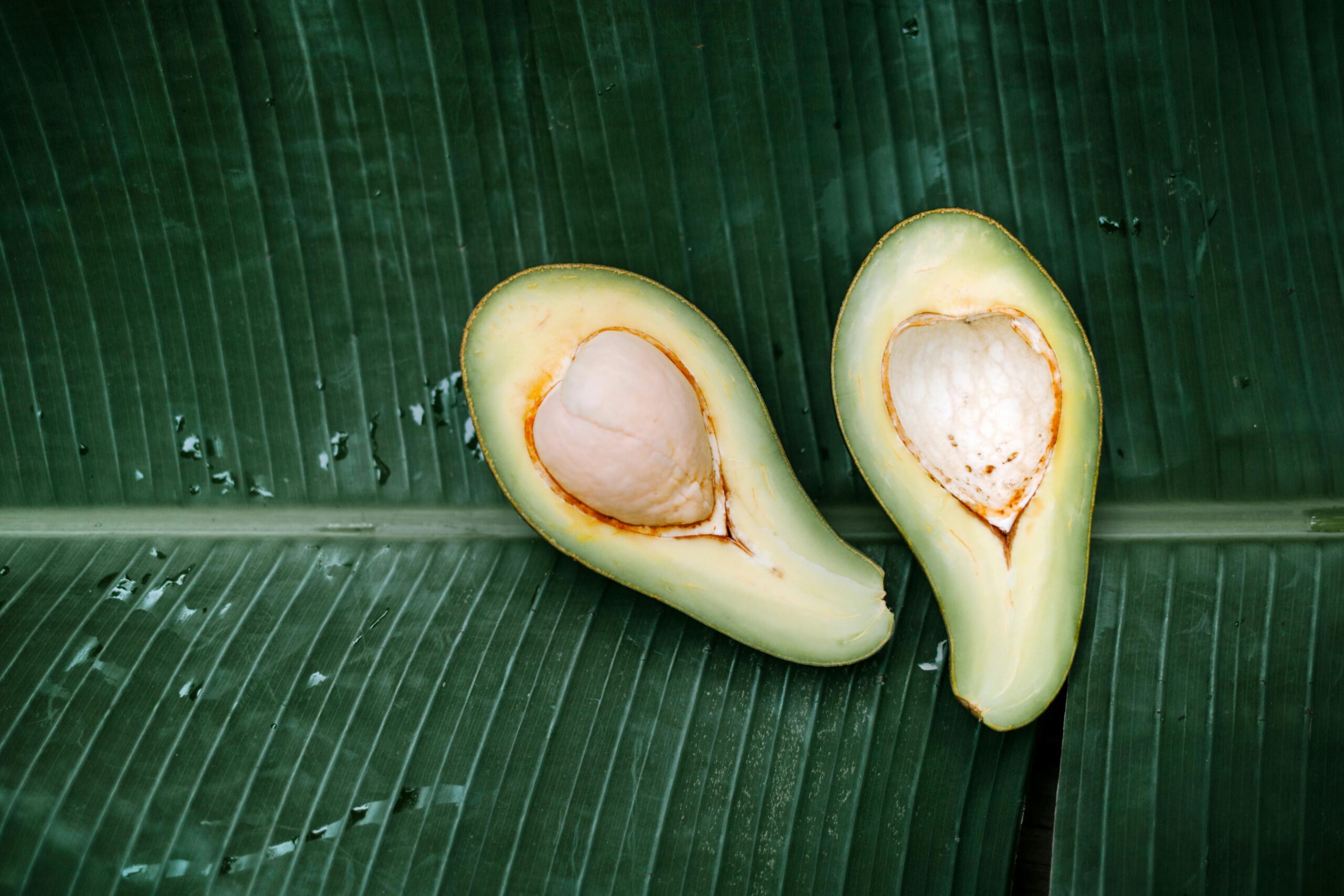
Avocados have become one of the fastest-growing export commodities in the world. Kenya alone earned over KES 14 billion from avocado exports in 2023, with the European Union absorbing the bulk of shipments. The Hass variety is the diaspora favorite — prized for its creamy texture and longer shelf life.
For African and Latin American producers, the opportunity is clear: Europe’s summer supply is dominated by Peru, Kenya, and South Africa. But supply gaps still exist, and retailers are actively seeking certified suppliers who can meet GLOBALG.A.P. and sustainability standards.
Diaspora angle: Second-generation African and Caribbean consumers in the UK are driving demand for avocados in meal prep, smoothies, and fusion dishes — creating year-round demand that goes beyond traditional guacamole.
2. Specialty Coffee
Origin hotspots: Kenya, Ethiopia, Colombia, Jamaica, Rwanda
Key markets: USA, Germany, Japan, South Korea, UK
Why it’s booming: Premiumization, specialty roasters, and direct trade
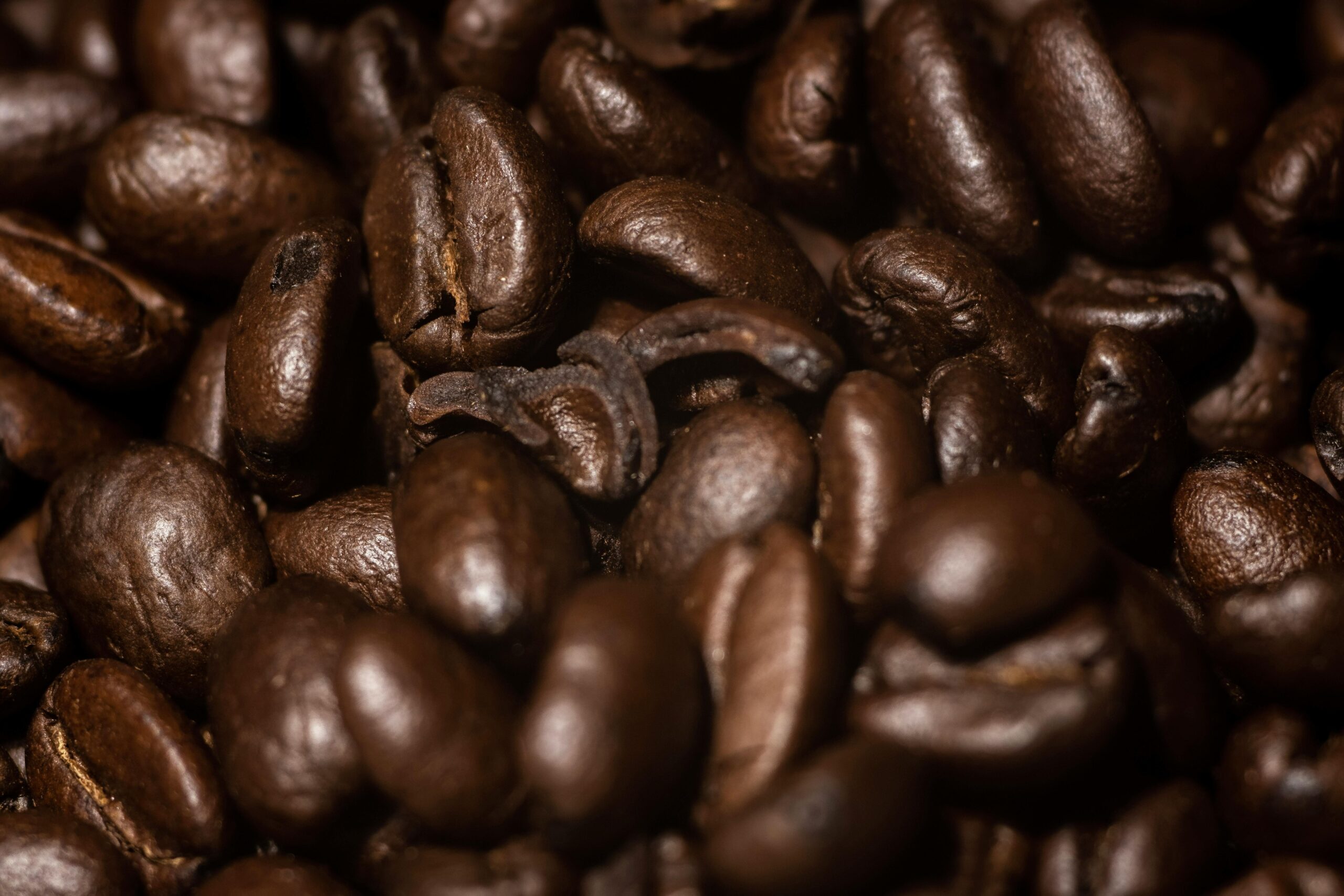
Kenyan Arabica coffee regularly commands $5–7 per kilogram at auction — among the highest prices in the world. Ethiopian Yirgacheffe and Jamaican Blue Mountain fetch even more in specialty markets.
What’s changed? Diaspora consumers aren’t just drinking coffee — they’re seeking origin stories. Third-wave coffee culture has created demand for single-origin, traceable beans. Specialty roasters in Brooklyn, Berlin, and Tokyo are building direct relationships with cooperatives in East Africa and the Caribbean.
In February 2025, Kenyan coffee hit a record $363 per 50kg bag at the Nairobi Coffee Exchange — up from $254 just four months earlier. Producers who can meet traceability and quality standards are capturing that premium.
Diaspora angle: African and Caribbean coffee shops in London, Toronto, and Atlanta are sourcing directly from origin — creating micro-markets for premium beans that bypass traditional commodity channels.
3. Yams, Plantains, and Tropical Tubers
Origin hotspots: Ghana, Nigeria, Jamaica, Costa Rica, Ecuador
Key markets: UK, USA, Canada, Netherlands
Why it’s booming: Staple demand from West African and Caribbean diaspora
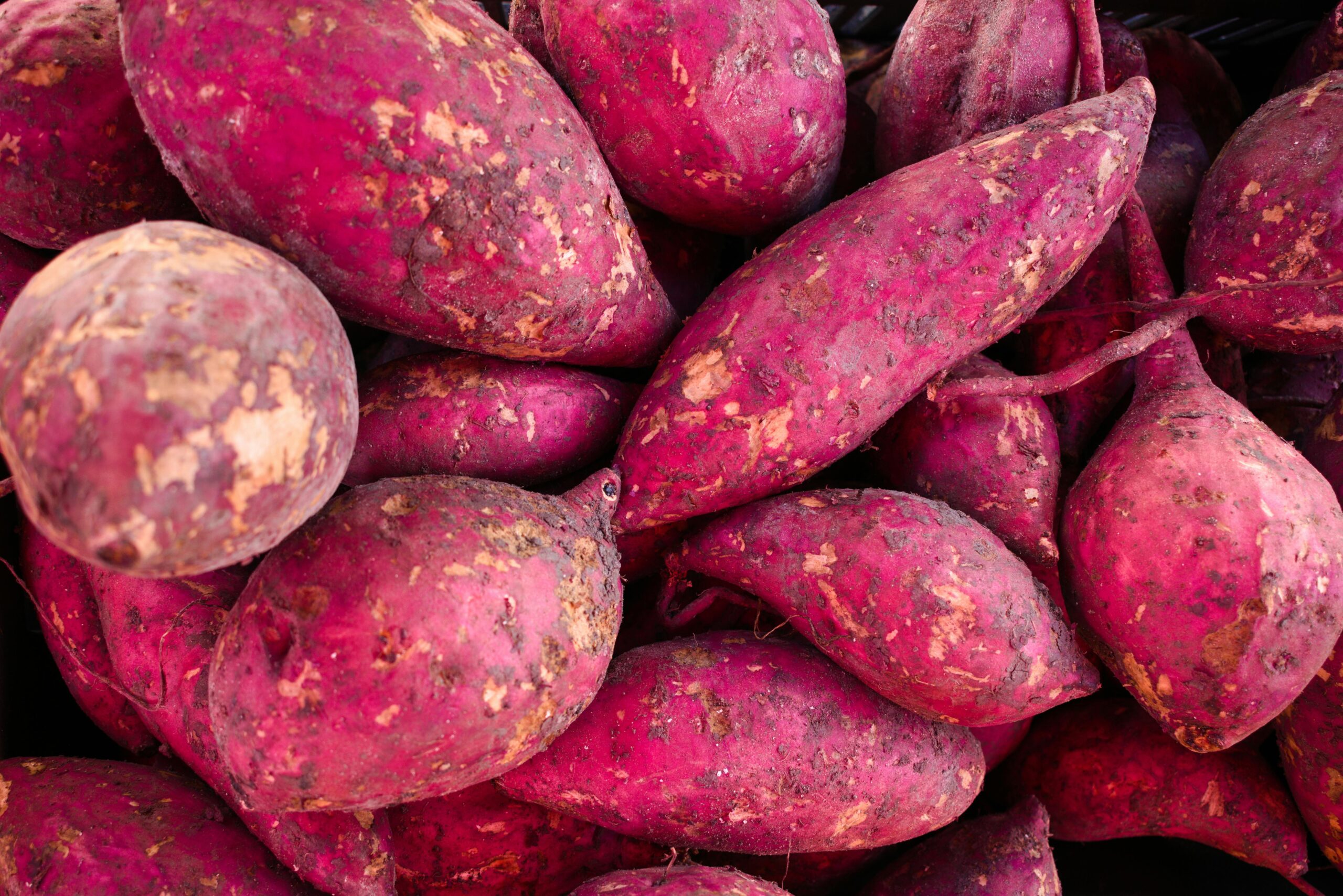
The UK’s Caribbean and African food wholesale sector is thriving. Companies like Yam-Man Imports have built entire businesses bridging Caribbean farms and UK supermarkets — supplying yellow yams, plantains, dasheen, and cassava to Tesco, Asda, and independent grocers.
Jamaica alone exports over $37 million in yams annually, with North America and the UK as primary destinations. Ghana and Nigeria dominate the West African supply, shipping boiled, fresh, and vacuum-packed tubers to diaspora communities across Europe.
Diaspora angle: These aren’t niche products. In the UK, the black African population now exceeds 1.5 million — comparable in size to the British Indian community. Demand for fufu, eba, and traditional soups is mainstream in multicultural urban centers.
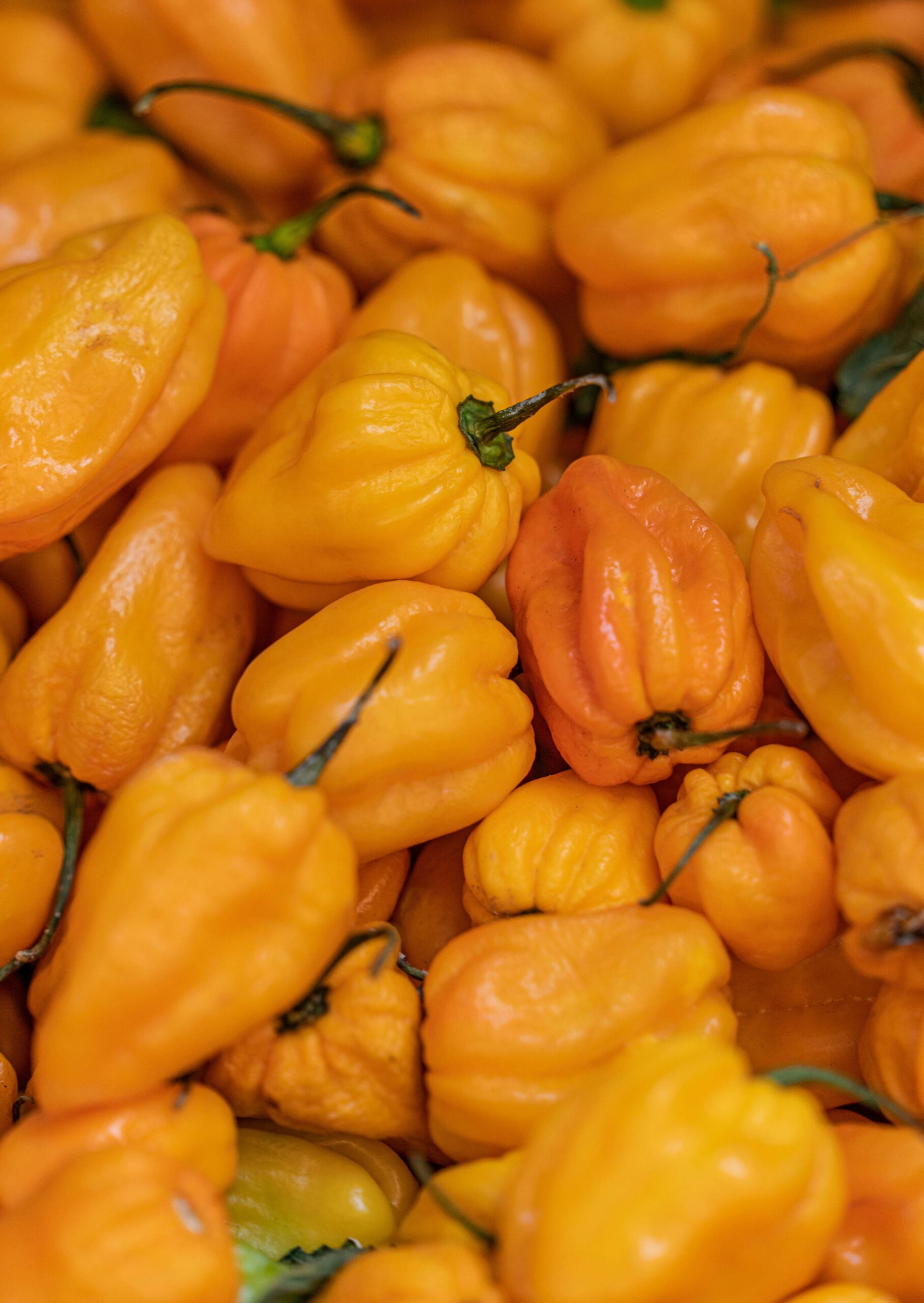
4. Scotch Bonnet Peppers and Specialty Spices
Origin hotspots: Jamaica, Trinidad, Nigeria, Ghana, Kenya
Key markets: UK, USA, Canada
Why it’s booming: Bold flavors, jerk culture, and home cooking revival
Scotch bonnet peppers are the soul of Caribbean and West African cuisine — essential for jerk seasoning, pepper sauces, and traditional stews. Jamaican brands like Walkerswood now export to over 20 countries, with pepper sauce sales exceeding 85 million bottles globally in recent years.
Beyond peppers, specialty spices are surging. Turmeric, ginger, pimento (allspice), and dried herbs like bitter leaf and scent leaf are in high demand from health-conscious diaspora consumers seeking natural, unprocessed ingredients.
Diaspora angle: Social media has amplified Caribbean and African food culture. Jollof rice debates, jerk chicken tutorials, and traditional recipe videos are driving younger diaspora consumers back to authentic ingredients — often sourced from specialty importers.
5. Macadamia Nuts
Origin hotspots: Kenya, South Africa, Australia, Guatemala
Key markets: China, USA, Europe, Middle East
Why it’s booming: Premium snacking, health halo, and confectionery demand
Kenya is the world’s third-largest macadamia producer, and Chinese buyers are hungry for raw, in-shell nuts. President William Ruto has been pushing for duty-free access to China for Kenyan macadamias, recognizing the crop’s export potential.
Macadamias command premium prices because of their high oil content, buttery flavor, and positioning as a “superfood” snack. Global demand is outpacing supply, with prices rising steadily.
Diaspora angle: African specialty food stores in the USA and UK are beginning to stock Kenyan macadamias alongside traditional snacks — positioning them as premium, origin-certified products for health-conscious diaspora consumers.
The Bigger Picture: A $90 Billion Opportunity
Let’s be real: the ethnic food market isn’t some niche corner of the grocery store anymore. It’s a $90 billion global industry — and it’s being driven by people who simply want to eat the food they grew up with.
We’re talking about:
- 304 million international migrants moving around the world (as of 2024)
- 6.7 million Caribbean diaspora in North America who still want their ackee, their yams, their pepper sauce
- 1.5 million+ Africans in the UK looking for garri, plantain, and palm oil
- A new generation — born abroad but raised on their parents’ cooking — who are rediscovering authentic flavors and sharing them on social media
So what does this mean for producers?
If you’re growing avocados in Kenya, coffee in Rwanda, or peppers in Jamaica — there’s a market waiting for you. But here’s the playbook:
- Get certified. GLOBALG.A.P., organic, fair trade — buyers want proof of quality.
- Tell your story. Origin sells. Consumers want to know where their food comes from and who grew it.
- Go direct. Specialty importers, ethnic grocers, and online platforms are your gateway — not just commodity brokers.
- Add value. Sauces, dried goods, packaged snacks — processed products command better margins than raw exports.
The diaspora market isn’t waiting around. The real question is: are producers ready to meet it?\
Sources
- Fortune Business Insights — “Ethnic Food Market Size” (2024-2032)
- Grand View Research — “Ethnic Food Market Report” (2025-2030)
- USDA Foreign Agricultural Service — “Kenya Avocado Report” (February 2025)
- USDA Foreign Agricultural Service — “Kenya Coffee Annual” (2025)
- The Grocer UK — “When Will African Cuisine Break Free?” (October 2025)
- Caribbean Food & Drink Market Report (2024)
- Kenya News Agency — “Agriculture Budget 2025/26”
- Yam-Man Imports UK
- Food Business Africa — “Kenya Pushes for Tariff-Free Macadamia Exports” (April 2025)