Did you know that over 35% of global food imports are subject to some form of import restriction food security policy? These policies influence not only what ends up on our tables but also reshape the fate of local farmers and food producers at home. Whether designed to block unsafe food products, protect public health, or bolster domestic agriculture, import restrictions on food security can have both surprising benefits and unintentional downsides. If you want to understand how these measures work, why they matter, and the real-world impact they have from farm to fork, this guide offers a comprehensive look at food safety, inspection service protocols, and the latest policies shaping food production worldwide.
Import Restrictions Food Security: Surprising Facts and Their Global Impact
“Over 35% of global food imports are subject to some form of import restriction food security policy, reshaping what ends up on our tables.”
Import restrictions food security is a crucial concept in modern agriculture and food safety. As globalization connects more countries through trade, governments worldwide have become increasingly vigilant about what kinds of food products and food items enter their markets. This means checking not just the country of origin, but also the safety, quality, and traceability of each shipment. Whether you are a consumer, small-scale local farmer, or large exporter, understanding these rules has never been more important.
Globally, food safety and plant health concerns often drive import restrictions. The United States, for instance, uses tools like tariffs, quarantines, and inspection service requirements to minimize threats such as animal disease and pest outbreaks. While some policies undeniably strengthen the food supply, others can sometimes create barriers for local producers trying to compete or expand. The effects ripple across international trade, pricing, and even innovation within local markets. Every policy choice can shift supply chains, impacting everything from pricing at the grocery store to the future prospects of local agriculture.
What You’ll Learn About Import Restrictions Food Security and Local Farmers
- How import restrictions food security measures work in the United States and worldwide
- Key food safety concerns fueling specific import restrictions
- Real-life examples of food products subject to restrictions
- The pros and cons of import policy for farmers and consumers
- Expert insights into food product inspection service practices
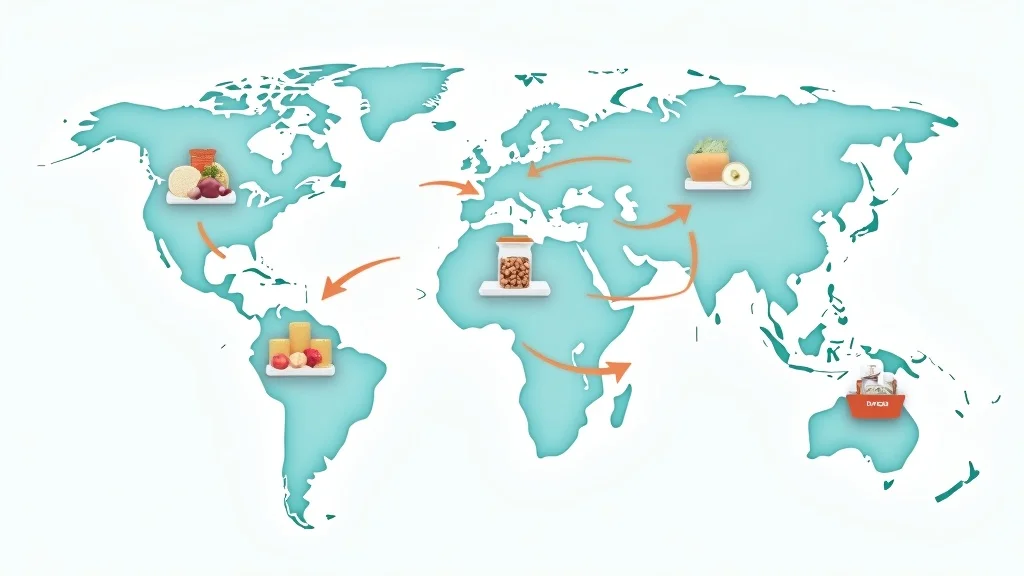
Understanding Import Restrictions Food Security: Essential Definitions
What Are Import Restrictions Food Security Policies?
Import restrictions food security policies are government regulations and controls that limit or manage the types and quantities of food products and food items entering a country. These restrictions can take many forms, such as outright bans on certain goods, strict quotas, or detailed health inspection requirements. The main goals are to protect public health, preserve plant health and the environment, prevent the spread of animal disease, and support the livelihoods of local farmers.
In the United States and elsewhere, agencies like the USDA and Customs and Border Protection enforce these policies at the port of entry. All incoming food items—from meat products and fresh produce to specialty foods—may be subject to inspection service protocols. Importers must often obtain an import permit, submit prior notice documentation, and ensure that all food products meet local safety and labeling standards before entering the united states markets. These complexities ensure a safer food supply but add a layer of challenge for both international suppliers and local businesses.
Why Are Import Restrictions Used on Food Products?
Countries enforce import restrictions food security policies for several reasons. First and foremost is food safety: accidents involving unsafe or contaminated food products can cause widespread illness or disrupt entire industries. Second, restricting imports helps maintain local plant health and animal welfare by keeping invasive pests and diseases—like avian influenza or foreign crop blights—out of domestic agriculture. Finally, some policies aim to stabilize prices or protect united states farmers and producers from global market shocks or unfair trade practices, making sure their contributions remain viable in the face of international competition.
Not all restrictions are permanent. Many are enacted in response to specific emergencies, such as outbreaks of animal disease or when the health inspection service identifies a threat. Meanwhile, some ongoing policies—like tariff-rate quotas or seasonal bans—are adjusted regularly to reflect current food safety risks, plant health concerns, and evolving trade agreements.
The Role of Food Safety and Inspection Service in Regulation
The Food Safety and Inspection Service (FSIS), along with agencies like the Animal and Plant Health Inspection Service (APHIS), plays a central role in regulating food items destined for the United States. FSIS is responsible for ensuring that all food products—especially meat, poultry, and egg items—meet stringent food safety standards.
These agencies use a combination of laboratory analysis, on-site inspections, traceability tracking, and real-time monitoring at ports of entry to detect contaminants, verify labeling, and check for harmful pests or diseases. Their inspection service activities safeguard the food supply while allowing safe and legal commerce to flow smoothly. Without these robust controls, Americans could face an increased risk of foodborne illnesses or the inadvertent introduction of pests that threaten both farms and natural ecosystems.
The United States Approach: How Import Restrictions Food Security Update National Policies
USDA and Food Safety Inspection Service Procedures
The United States Department of Agriculture (USDA) and its Food Safety and Inspection Service are two key players in setting and enforcing import restrictions food security requirements. Every consignment of regulated food products—from meat to dairy to certain fruits and vegetables—undergoes careful scrutiny using protocols developed to maximize food safety.
When a shipment arrives at a port of entry, USDA inspectors check documentation, review country of origin labeling, and may sample goods for laboratory analysis. The inspection service can detain, reject, or destroy food items that pose risks, such as those contaminated by chemical residues or carrying animal disease. This process helps maintain a clean food supply, but it can also slow shipping and increase operational costs for importers and local businesses that rely on global food chains.
Entering the United States: Food Product Regulations
Any food product entering the United States must comply with a complex set of rules. Importers need to provide details about the shipment’s contents, its source, and often a prior notice that allows authorities to schedule inspections effectively. Some products, like fresh produce or raw milk, need additional certification from the Plant Health Inspection Service due to high risk of pest transmission or contamination.
Many food items require an import permit that validates safety and compliance with U. S. health codes. The Customs and Border Protection also partners with the FDA and USDA at major ports to ensure all rules are followed before any food products enter the market. Any inconsistencies in labeling, missing health certificates, or even trace amounts of prohibited substances can result in a shipment being denied entry. This close coordination between agencies ensures public trust but can create logistical hurdles for food producers and distributors.
“The United States places particular emphasis on food safety and traceability when setting up import restrictions food security requirements.” — Trade Policy Expert
Types of Import Restrictions Food Security Strategies
- Tariffs and tariff-rate quotas
- Specific bans on food items for health concerns
- Inspection and reporting requirements
- Quarantines for certain food products
- Seasonal import restrictions
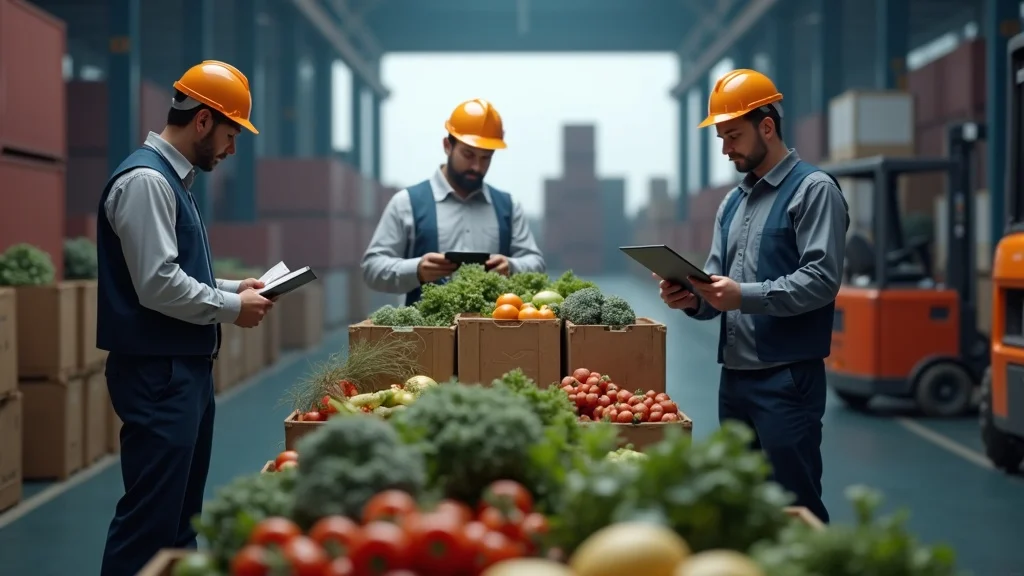
Import Restrictions Food Security: Major Food Items and Products Affected
Meat, Dairy, and Perishable Food Products
Among the most heavily restricted imports are meat products, dairy items, and other perishable food products. Due to their potential to introduce animal disease or spoil quickly, these goods are subject to rigorous inspections and, in some cases, outright bans. The risk of pathogens such as avian influenza in poultry or foot-and-mouth disease in beef makes agencies particularly vigilant.
For example, pork products from countries with outbreaks cannot legally enter the United States until those nations meet specific safety criteria. Dairy products, such as raw milk and unpasteurized cheeses, not only require USDA approval but also need to pass multiple layers of inspection service checks to ensure they meet U. S. food safety and quality standards.
Fresh Produce and Specialty Food Items
The importation of fruits and vegetables is another tightly controlled area, especially for products considered high risk for pest infestation or contamination. Exotic fruits and certain specialty food items may need additional documentation and can be quarantined or rejected by the plant health inspection service if they fail to comply with regulations.
For some foods, restrictions may be seasonal—applied only when the risk of bringing in new pests or diseases is highest. Other times, local farmers request quotas or temporary bans to protect against market flooding by cheaper imports. These measures affect the availability of various food items in local supermarkets and can bolster or challenge domestic farms depending on how they’re applied.
| Food Product | Reason for Restriction | Agency Involved |
|---|---|---|
| Raw Milk | Food Safety | USDA |
| Pork Products | Disease Control | USDA |
| Exotic Fruits | Pest/Quarantine | APHIS |
| Fresh Eggs | Import Quota | USDA |
Import Restrictions Food Security: When Policies Benefit Local Farmers
Case Study: U.S. Tomato Industry and Seasonal Import Controls
Seasonal import controls play a notable role in the United States tomato industry. During peak harvest times for U. S. growers, the government imposes temporary restrictions or quotas on imported tomatoes, especially those coming from regions with lower production costs. This policy shields local farmers from market glut, helping them secure a fair price and remain profitable.
As a result, domestic tomato producers have more leverage to innovate and invest in quality improvements, since they’re less threatened by sudden surges of cheap imports. This approach exemplifies how import restrictions food security strategies, when carefully administered, can support both the economic sustainability and competitiveness of local agriculture.

Strengthening Local Food Safety and Product Standards
Import restrictions often drive domestic producers to raise their own food safety and quality standards. Knowing they are protected from the entry of potentially risky or substandard food products, local growers can invest more confidently in best practices, technology upgrades, and certifications that distinguish their goods in the marketplace.
These improvements ultimately pay off with safer foods for consumers, better brand reputation for farmers, and higher export readiness. In many cases, stronger local standards become the industry benchmark, influencing how future policies are drafted both at home and abroad.
Encouraging Domestic Food Products Innovation
When import restrictions make it more challenging for foreign competitors to dominate the shelves, local businesses are incentivized to develop new flavors, varieties, and value-added food items. Innovation flourishes, as domestic producers explore new cultivation methods, packaging solutions, and food processing technologies.
This not only strengthens food security but also creates opportunities for local jobs, startup growth, and greater agricultural diversity. In some instances, successful innovations can themselves become export opportunities, as foreign markets take interest in unique products developed under the protection of these policies.
Downsides of Import Restrictions Food Security for Local Farmers
Higher Costs for Inputs and Equipment
Not all import restrictions benefit farmers. In fact, they can sometimes drive up the costs of critical farming inputs and equipment. Many agricultural machines, tools, seeds, or feed stocks are sourced globally. If import restrictions food security measures inadvertently block or tax these items, local producers face increased expenses.
These rising costs can strain farm budgets, making it harder for small and mid-sized farmers to remain competitive. For those operating on slim margins, even a modest hike in input prices can be the difference between a profitable season and a loss. Farmers are often caught in a policy tug-of-war: protected in some areas, but penalized in others by rising costs due to complex regulations or supply-chain limitations.

Impact on Export Opportunities
Import restrictions in the U. S. and around the world can provoke trade retaliation, where other countries place their own barriers on American food products. This tit-for-tat approach can shut local farmers out of lucrative export markets, reducing their growth potential and exposing them to greater financial risk.
As the global trade environment grows more interconnected, a single country’s import policy can have ripple effects across multiple economies, affecting everything from animal products to fresh produce. Local producers may find themselves navigating a maze of foreign rules—sometimes stricter than those at home—just to maintain access to international customers.
Unintended Consequences for Food Safety and Inspection Service Enforcement
Sometimes, well-intentioned import restrictions create loopholes or bottlenecks that undermine food safety goals. Overburdened inspection service teams may miss key risks, focusing on quantity of checks rather than quality. High barriers can also encourage illegal imports and black market activity, as unscrupulous actors seek to bypass regulations.
These enforcement challenges stress the importance of regular policy reviews and coordination between local farmers, agencies like Customs and Border Protection, and international partners, all working to ensure that protective measures do not backfire and put the entire food system at risk.
Food Safety and Inspection Service: Ensuring Food Products Meet Standards
Key Responsibilities for Food Product Entry
The Food Safety and Inspection Service is the gatekeeper between foreign supply chains and the American consumer. Their duties begin the moment a shipment arrives at a U. S. port of entry and continue through every stage until the food is deemed safe for sale or use.
These professionals track documentation, verify country of origin claims, and conduct random as well as targeted sampling of high-risk food items. Their vigilance ensures that both known and emerging threats never make it to market, saving lives and supporting the public’s confidence in the nation’s food supply.
Inspection Service Techniques for Food Items
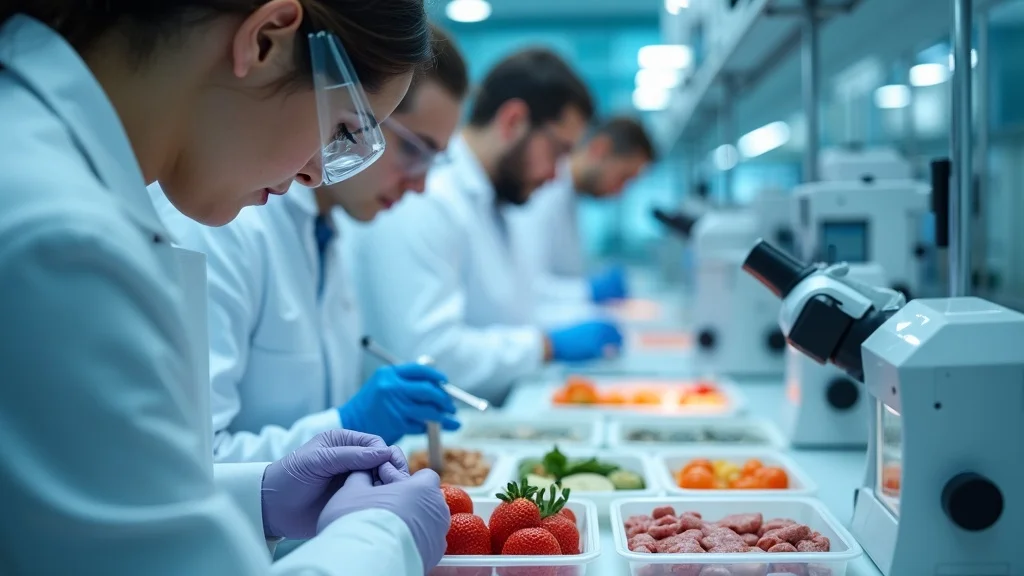
Modern inspection service teams use a blend of traditional methods and advanced technology. Visual inspections identify obvious issues, while laboratory analysis detects contamination at the microscopic level. Traceability systems and digital tracking help pinpoint shipments’ journey from farm to shelf.
These protocols are constantly evolving to adapt to new risks and changing patterns in global food trade. Through strong public-private partnerships and the adoption of innovative inspection tools, agencies like FSIS keep global and domestic food safety standards high, even as they navigate the complexity and scale of international commerce.
“Inspection service protocols protect food safety without unnecessarily burdening local food producers — but striking this balance is challenging.”
Import Restrictions Food Security in Practice: Global Examples
European Union: Dairy Import Quotas and Local Sustainability
The European Union is known for its strict dairy import quotas. By limiting the volume of foreign dairy allowed onto the market, regulators ensure stable prices for EU dairy farmers while maintaining rigorous food safety and animal welfare standards. These quotas are periodically reviewed to balance local needs with global market access, linking food security to the sustainability of local economies.
Critics say such limits sometimes result in higher consumer prices and can stifle innovation. Nevertheless, the EU’s approach is often cited as a model for integrating economic resilience with world-class quality controls on sensitive food items.
Case Study: Canada’s Dairy and Poultry Import Restrictions
Canada uses a “supply management” strategy for dairy and poultry, combining production quotas with tight import controls. This system protects Canadian farmers from market volatility and ensures predictable incomes while also upholding high food safety benchmarks.
While successful in supporting small-scale agriculture and stable rural communities, these policies are sometimes challenged in international trade negotiations for limiting foreign access to the Canadian market.
Comparing the United States Approach with Other Major Economies
Compared to the European Union or Canada, the United States maintains a more flexible but equally robust system. U. S. import restriction food security policies often shift rapidly in response to new scientific findings, outbreaks, or international agreements.
The common thread globally is the need for agency cooperation—between customs, food safety inspectors, and agricultural scientists—to maintain effective barriers against foodborne threats while supporting ongoing trade. Each country’s approach reflects unique priorities but shares a commitment to supporting farmers and keeping unsafe food products out of local markets.
Expert Insights on Import Restrictions Food Security and Local Farmers
“Effective import restrictions food security policies are always evolving, but they must strike a balance between protecting local farmers and ensuring affordable food for all.”
Lists: Pros and Cons of Import Restrictions Food Security Policies
- Protects domestic farmers from market shocks
- Helps prevent entry of unsafe or diseased food products
- Encourages local food product development
- May raise prices for consumers
- Can provoke retaliation from trading partners
People Also Ask: What food items are restricted in US customs?
Foods often restricted include fresh fruits, meats, dairy products, and certain processed foods due to food safety concerns. Each item must comply with United States food product and inspection service regulations.
People Also Ask: What is an example of an import restriction?
An example is the restriction on poultry imports from regions with avian influenza outbreaks. This import restrictions food security measure helps keep the US food supply safe.
People Also Ask: What food can’t you take through customs?
You cannot bring in items like fresh eggs, raw meats, or certain cheeses. These food products often require inspection service checks to meet US food safety requirements.
People Also Ask: What food can I take across the border to the USA?
Generally, processed snacks, baked goods, and certain packaged food items are allowed if they pose no food safety risk and meet United States entry regulations for food products.
An animated explainer video showing the journey of different food products through customs, inspection, and approval or restriction, highlighting the steps of policy decision-making and impact on farmers and consumers.
FAQs About Import Restrictions Food Security
- Are all imported food products subject to restrictions?
No, not all. Most high-risk food items—like raw meat, milk, and certain fruits and vegetables—face stricter controls. Other products may require general documentation or health certificates but are less tightly regulated.
- How do import restrictions food security measures differ from regular tariffs?
Import restrictions food security policies specifically address safety, quality, or health risks in food products. Tariffs generally relate to economic strategy, designed to influence the price and competitiveness of imported goods regardless of safety.
- What is the role of the food safety inspection service in setting import policy?
The inspection service conducts laboratory analysis, visual inspections, and document verification at entry points to enforce safety standards and ensure compliance with U. S. rules.
- Can small farmers benefit from food product import restrictions?
Often, yes. Restrictions can level the playing field for small farmers, making it easier to compete with larger, international suppliers—especially when local production is seasonally strong.
- How are food safety standards maintained across the border?
Through cooperative agreements, joint inspections, and harmonized standards maintained by agencies such as the USDA, FDA, and Customs and Border Protection, with input from trading partners worldwide.
Key Takeaways on Import Restrictions Food Security and Farming Success
- Import restrictions food security policies can both help and hinder local farmers.
- Food safety and inspection service protocols guard food quality but may add complexity.
- Learning how food product policies differ globally empowers both consumers and producers.
Informed Choices: Navigating Import Restrictions Food Security for Local and Global Benefit
Whether you’re a consumer striving for safer choices or a local farmer seeking a fairer marketplace, staying informed about import restrictions food security is essential. Advocating for balanced policies and keeping up with inspection service updates can ensure both global food safety and thriving domestic agriculture.