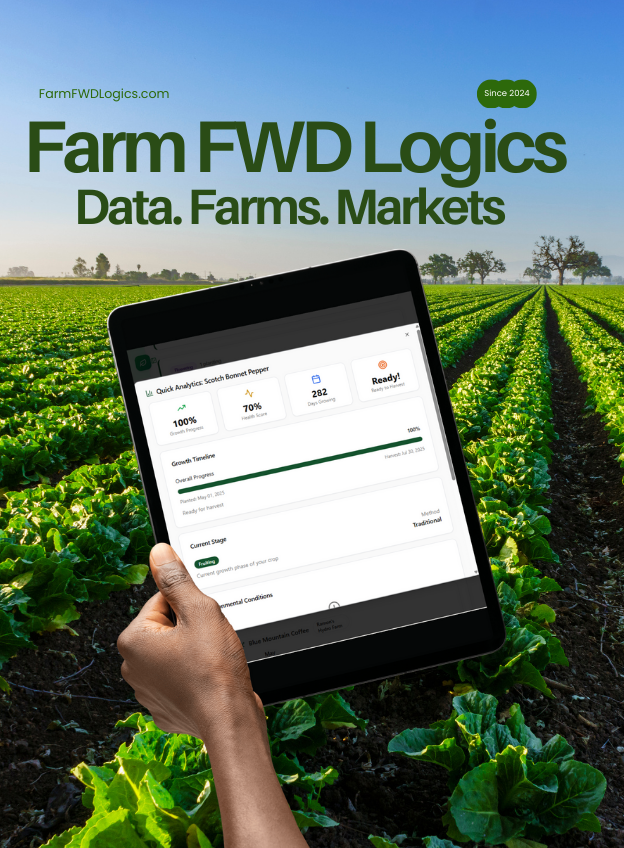
Did you know that globally, only one in five farmers has reliable access to agricultural extension services? This gap affects not just individual livelihoods, but the entire world’s food security and agricultural resilience. As the demands on our food system evolve—impacted by climate change, market shifts, and digital revolutions—now is the turning point for agricultural extension services policy to adapt, thrive, and create lasting impact for farming communities.
A Startling Transformation: Why Agricultural Extension Services Policy Is at a Crossroads
Today’s agricultural extension services policy is at a defining crossroads. For decades, extension services have been a lifeline for farmers, offering essential advice, technology transfer, and training at the heart of the world’s rural economies. But recent years have exposed sharp divides in how these services are accessed and delivered. Changes in the food system, resource pressures, and digital disruption have forced policymakers and extension workers alike to rethink their strategies.
On the ground, the realities for farmers are evolving rapidly. Extension policy must respond to new climates, globalized markets, and the growing demands for sustainable agricultural development. The public and private sector now interact more closely than ever, with innovative delivery models reshaping national agricultural extension strategies. The central question becomes: How do we revitalize extension services so they meet modern needs and support an adaptive, resilient food system?
The Global Decline and New Opportunities for Agricultural Extension Services
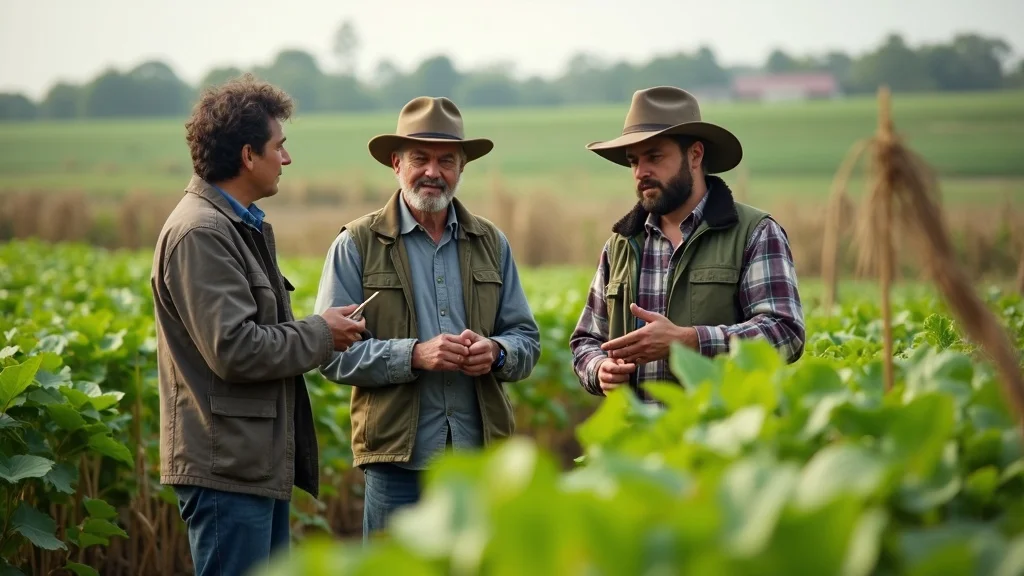
As global access to traditional agricultural extension services has declined, gaps in knowledge, resources, and capacity have widened—especially in emerging farming systems. This trend is challenging, as millions depend on extension work to optimize yields, manage natural resources, and implement new technologies. Yet, fresh opportunities have emerged. The rise of digital extension platforms, collaborative extension programmes, and results-oriented extension policy reforms are redefining how advice and innovation reach the farm gate.
“Globally, only one in five farmers has reliable access to agricultural extension services — a gap shaping today’s food security challenges. ” Despite these challenges, there’s a new momentum: both governments and the private sector recognize the transformative power of robust extension systems. By harnessing technological advances and integrating multi-stakeholder approaches, the sector is better poised to reshape policy, reach marginalized farmers, and make national policy frameworks more inclusive and impactful.
What You’ll Learn in This Guide to Agricultural Extension Services Policy
- The history and modern evolution of agricultural extension services policy
- Key pillars and principles of effective extension policy
- Best practices from national agricultural extension systems
- Comparative evaluation of global extension service frameworks
- Challenges and solutions for digital and public-private extension services

Defining Agricultural Extension Services Policy: Concepts, Evolution, and Impact
What does agricultural extension services mean?
Agricultural extension services are organized approaches by which experts—often from the ministry of agriculture, local government, or leading agri-businesses—share practical, science-backed knowledge with farmers. These services include training, technology demonstrations, problem diagnosis, and market advice, designed to maximize productivity while ensuring sustainable agricultural practices. The extension policy underlying these services dictates who delivers, who benefits, and how frequently information is updated to reflect real-world farming system needs.
The significance of extension work cannot be understated: in many countries, effective extension services are fundamental to rural development, food security, and the advancement of sustainable agricultural practices. Through continuous education, field demonstrations, and integration of new research, these services empower farmers to make data-driven choices, adapt rapidly to risk, and innovate within their landscapes.
Historical Context and The Evolution of Agricultural Extension Policies
Agricultural extension has evolved over more than a century, driven by shifting policy priorities, the emergence of the agricultural sector as a strategic concern, and a deepening understanding of the food system’s complexity. Historically, government-led extension work focused on introducing high-yield seeds, fertilizers, and irrigation methods. National agricultural extension systems varied in design—from centralized public extension agencies to decentralized, private sector-led models responding to unique rural development challenges.
In the 20th century, agricultural extension policy increasingly aligned with major policy issues such as population growth, environmental protection, and natural resource management. With the onset of digital innovation and public-private partnerships, today’s extension systems look vastly different, blending in-person services with e-learning, mobile apps, and real-time data analytics.
Pioneering Agricultural Extension Systems: National and International Examples
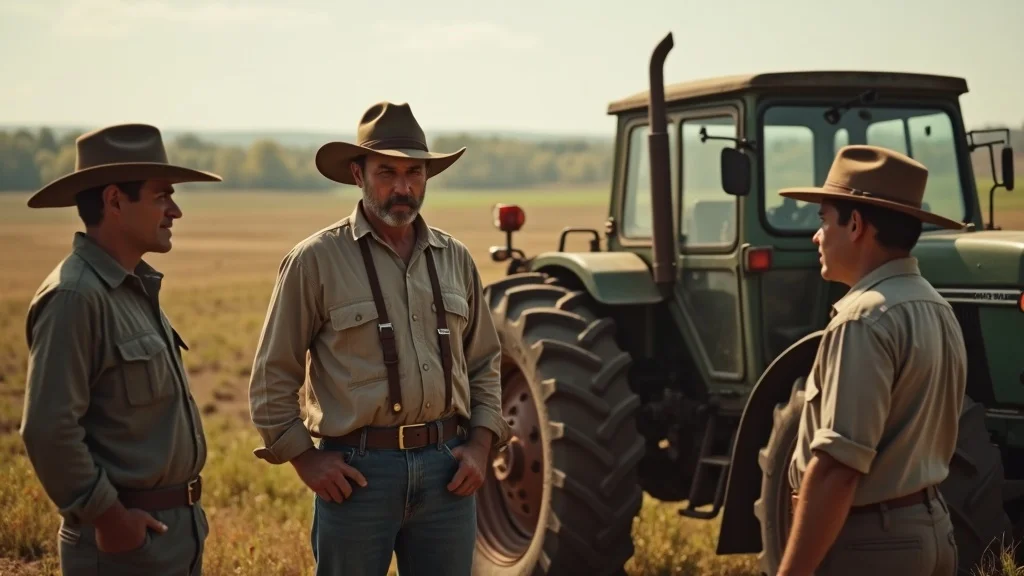
Countries like the United States, India, the Philippines, and Ethiopia have been at the forefront of pioneering agricultural extension systems. In the US, the Cooperative Extension Service made significant strides in connecting university research with field-level implementation. In Asia and Africa, models vary in decentralization and integration with national agricultural policy, with local government or private sector players complementing public extension agencies. International organizations like FAO and CGIAR have also influenced extension policy, promoting participatory approaches and gender inclusion.
Understanding these varied extension systems is crucial for designing policy that’s adaptable, context-aware, and committed to rural inclusivity. Best practices highlight robust extension funding, extensive training for extension workers, and frameworks that foster farmer feedback and learning across multiple channels.
Influence of Agricultural Sector Needs on Extension Service Design
Every successful extension service is shaped by the agricultural sector’s evolving goals—whether it’s increasing productivity, managing natural resources, or supporting agri-business innovation. Extension policy must continually adapt to shifts in crop patterns, market demand, environmental stress, and farmer demographic changes. Real-world needs, such as battling new crop diseases or integrating climate-smart agriculture, strongly inform extension policy priorities.
Recent years have seen successful adoption of multi-stakeholder approaches that blend expertise from local government, private sector extension agents, and community organizations, creating agile extension systems tailored to local realities.
Core Principles and Pillars: Building Robust Agricultural Extension Services Policy
What are the 12 principles of extension?
The 12 principles of extension serve as a scientific and practical framework for designing impactful agricultural extension services policy. These principles ensure that extension systems are demand-driven, participatory, continuous, and accountable. They include clear needs assessment, effective communication, inclusivity, partnership development, ethical conduct, feedback mechanisms, decentralized decision-making, result orientation, resource optimization, adaptive learning, technology integration, and institutional sustainability.
When governments or private sector leaders anchor their extension policy to these foundations, services become more relevant and resilient. It also helps foster sustainable development and rural empowerment, as policies grounded in these principles are more likely to address real needs, respect diversity, and build trust with the farming community.
What are the 5 pillars of extension?
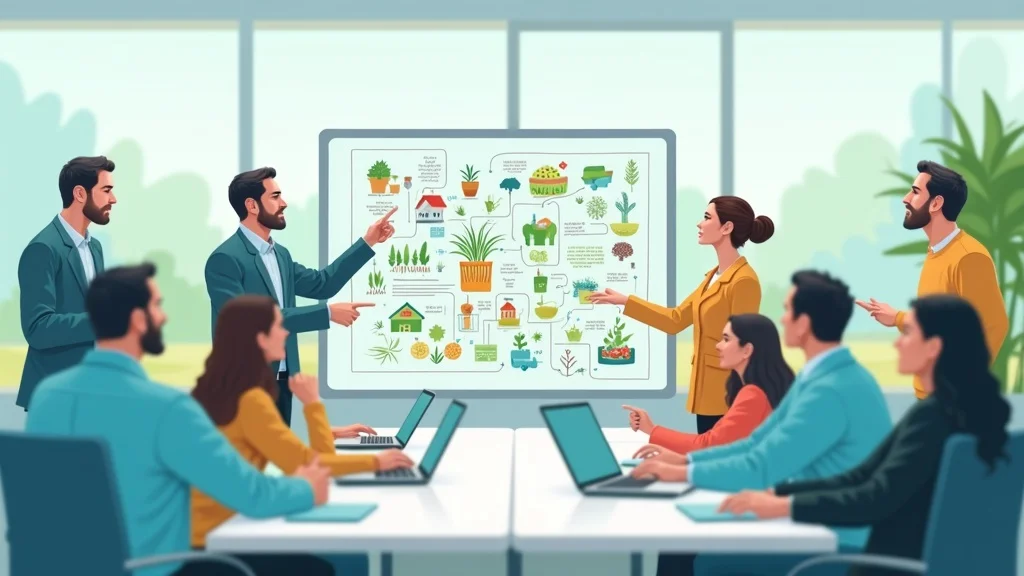
Complementing the 12 principles, the five pillars of extension are: 1) Farmer-centered approaches; 2) Capacity building and training; 3) Knowledge exchange and two-way communication; 4) Multi-stakeholder integration (including private sector and local government); 5) Monitoring, evaluation, and continuous improvement. These pillars support robust extension work by emphasizing active listening, tailored guidance, mechanisms for transparent feedback, and ongoing adaptation, especially in the context of shifting agricultural sector dynamics.
Effective agricultural extension policy is one that amplifies each pillar, providing resources for extension workers, fostering collaboration, and building strong links between research, technology, and practice.
| Country | Extension Policy Focus | Core Principles | Pillars Emphasized |
|---|---|---|---|
| United States | Public–private partnership, university led | Farmer demand, participatory, continuous learning | Farmer-centered, capacity building, evaluation |
| India | Decentralized, ICT-driven extension | Inclusivity, digital innovation, resource optimization | Capacity building, digital knowledge exchange |
| Ethiopia | Community-based, public extension | Needs assessment, adaptive learning, sustainability | Multi-stakeholder integration, evaluation |
| Philippines | Local government, private sector engagement | Partnerships, ethical conduct, technology integration | Knowledge exchange, monitoring, improvement |
Key Approaches in Modern Agricultural Extension Services Policy Reform
Innovative Extension Policy Strategies: Data-Driven Approaches & Results
The transition to data-driven extension policies marks a major step-change in policy reform. By embedding big data, farm-level analytics, and machine learning, extension systems can personalize recommendations, predict risks, and optimize resource allocation. This trend is visible in countries adopting digital dashboards for real-time crop monitoring, training extension workers to interpret satellite data, or piloting field projects that harness SMS platforms for rapid-farmer feedback.
Results from these innovative approaches show improved productivity, reduced waste, and more targeted support to vulnerable farming communities. Policymakers must design extension systems that are not just responsive, but also anticipate change, balancing digital tools with on-the-ground human expertise to ensure inclusive rural development.

Aligning Extension Service Delivery with National Agricultural Policy
Strong alignment between extension services and national policy ensures that the goals of food system resilience, natural resource management, and rural prosperity are met. The most impactful extension policies operate as integral parts of a larger strategy—coordinated with the ministry of agriculture, research institutions, agribusiness, and local councils.
This synergy strengthens funding flows, reinforces regulation standards, and helps standardize best practices across regions. National agricultural extension systems that successfully integrate policy, stakeholder collaboration, and innovation prove most effective in scaling impact and achieving sustainable agricultural transformation.
Case Study: Agricultural Extension Service Innovations in Asia and Africa
In India, the extension system leverages SMS and WhatsApp for timely pest alerts, price updates, and mobile-based advisory networks. Nigeria has successfully piloted farmer call centers, partnering with agri-tech startups for remote diagnostics. In East Africa, participatory video campaigns and digital learning modules have revolutionized training delivery, making extension more accessible and scalable than ever before.
These examples demonstrate that context-aware extension policies—open to digital inclusion and local innovation—are crucial in enhancing resilience, narrowing rural divides, and strengthening the food system for future generations.
Integrating Digital Solutions into Agricultural Extension Services Policy
The Role of Digital Extension: From Mobile Apps to E-Learning
Digital extension has transformed how knowledge, market intelligence, and training are delivered to millions of farmers. Smartphone apps, SMS alerts, e-learning platforms, and even AI-powered field diagnostics bypass traditional barriers, putting real-time information directly in farmers’ hands. Such innovations also allow policy planners to monitor extension system implementation, track outcomes, and foster more inclusive rural development.
In many developing countries, these digital solutions are bridging decades-long gaps in farmer engagement, offering scalable ways to respond quickly to changing crop patterns, pest outbreaks, and opportunities for value chain growth.

Digital Extension Policy Challenges and Successes
While digital extension has achieved notable success in democratizing access, challenges remain. Digital literacy, device affordability, language barriers, and reliable rural connectivity often constrain reach, particularly among smallholder populations. Policy planners must prioritize inclusive design and ongoing support—offering translated interfaces, voice-based services, and community digital literacy programs.
Despite these hurdles, successful adoption of digital extension is evident across South Asia and Sub-Saharan Africa, where policy-backed partnerships with mobile operators and agri-fintech startups have led to wide farmer uptake and measurable improvements in agricultural output.
Best Practices in Digital Agricultural Extension Service Adoption
Effective digital extension policy aligns technology with farmer realities. Leading national agricultural extension systems implement a blend of traditional and digital approaches, fostering ‘technology champions’ within communities, co-creating content, and ensuring consistent physical support alongside digital outreach.
Adoption accelerates when local governments and extension workers collaborate with tech companies, providing hands-on demonstrations, troubleshooting, and iterative feedback systems. Key success factors include user-centric design, participatory content development, and transparent evaluation of extension impact at the community level.

Public and Private Sector Partnerships: Extension Service Delivery and Policy
Engaging the Private Sector in Modern Extension Systems
The private sector plays a vital role in 21st-century extension policy. Agri-businesses, input suppliers, digital startups, and farmer cooperatives are now co-investors and co-designers in extension service delivery. These partnerships can enhance resource flows, expedite innovation, and foster market-led extension programming.
Collaboration ensures that extension systems address both business efficiency and public goods—sustainable agriculture, food safety, and resilient farming systems. Policy frameworks that support private sector engagement with transparency, accountability, and shared-value investment are essential for scaling quality extension services to new geographies and marginalized rural communities.

Policy Recommendations: Building Resilient Multi-Stakeholder Agricultural Extension Services
Future-proofed agricultural extension services policy must formalize multi-stakeholder platforms, balancing representation from public extension, private sector, civil society, and farming communities. Policies should incentivize innovation, encourage knowledge-sharing networks, and enable adaptive funding to match changing field needs.
Recommendations for resilient extension policy include: Pilot joint public-private extension programs with measurable goals Establish clear regulations for extension service quality and transparency Create mechanisms for farmer-led feedback and ongoing participatory evaluation Integrate digital tools systematically but inclusively These approaches can accelerate sustainable agricultural development across diverse contexts.
Comparing National Agricultural Extension Services Policies
| Country/Region | Governance Model | Technology Adoption | Stakeholder Involvement | Focus Areas |
|---|---|---|---|---|
| USA | University-driven public extension | High (AI, data dashboards) | Public–private partnerships | Innovation, sustainability |
| India | National & state decentralization | Medium-High (ICT, SMS, apps) | Govt, agri-tech, local NGOs | Capacity building, digital reach |
| Ethiopia | Scaled public systems, community-based | Medium (Farmer call centers) | Public, community groups | Food security, inclusivity |
| EU Countries | EU Common Policy–aligned, national-level | Medium (e-learning, IoT) | Public, farmer orgs, tech firms | Climate-smart, rural development |
What is the common agriculture policy?

The common agriculture policy (CAP), particularly implemented in Europe, is a comprehensive framework designed to support sustainable rural development, food security, and farm income stability. It steers extension policy by funding public extension programmes, supporting technology adoption, and enabling research-driven improvements in agricultural extension services. CAP increasingly ties extension services to climate-smart farming, digital transformation, and eco-friendly agricultural sector reforms.
Key benefits of CAP-aligned extension systems include guaranteed farmer support, integration of research with extension policy, and robust monitoring and evaluation mechanisms to align national agricultural policy targets with on-ground rural development goals.
Challenges and Solutions in Agricultural Extension Services Policy Implementation
Barriers Faced by Extension Policy Stakeholders
Implementing comprehensive agricultural extension services policy comes with distinct barriers: inconsistent funding, varying extension worker capacities, fragmented coordination, language and cultural differences, and limited technology access all impede optimal adoption. Policy issue complexity also emerges when aligning extension systems with evolving food system, environmental, and market priorities.
In developing countries, extension funding constraints and infrastructure gaps often limit public extension reach. Meanwhile, coordination between public, private sector, and local government remains an ongoing challenge globally.
Successful Policy Case Studies: National Agricultural Lessons Learned
Brazil’s Farmer Field School model, India’s digital extension revolution, and Ethiopia’s decentralized approach all offer clear lessons: flexibility and community engagement are key to extension policy success. Policies that build capacity, encourage experimentation, and evaluate outcomes iteratively consistently outperform rigid, top-down strategies. Where public extension services partner seamlessly with the private sector and civil society, service reach and quality dramatically improve.
Global experience shows that investing in extension worker training, establishing transparent extension programme guidelines, and empowering local leadership drive sustainable change in the agricultural sector.
Recommendations for Sustainable Agricultural Extension Policy Reform
To ensure resilience, policymakers should: Adopt adaptive, data-informed policies responsive to dynamic food system needs Promote inclusive digital extension, balancing tech advances with equitable farmer access Institutionalize public and private sector partnership frameworks for resource stability Prioritize farmer-centered design and persistent evaluation for ongoing improvement Adhering to the 12 principles and 5 pillars, and customizing extension service solutions to local realities, will shape the future of sustainable agricultural extension policy worldwide.
Key Takeaways: Next Steps in Agricultural Extension Services Policy
- Agricultural extension services policy is essential for modern food system resilience
- Effective extension service design requires adaptive, data-informed extension policies
- Digital and multi-stakeholder integration are shaping the future of agricultural extension
- Commitment to the 12 principles and 5 pillars strengthens extension systems globally
Frequently Asked Questions About Agricultural Extension Services Policy
- How can countries adapt their agricultural extension services policy to changing climate needs?
Countries can develop adaptive extension policy frameworks prioritizing climate-smart technologies and knowledge sharing. Investing in digital extension, regular capacity building for extension workers, and promoting participatory feedback loops enable more responsive and resilient service delivery as climate risks intensify. - What is the best extension system for smallholder farmers?
The most effective extension systems for smallholders are decentralized, farmer-led, and context-specific. They blend personal interaction, technology integration, and access to local research, ensuring that extension advice is practical, inclusive, and directly relevant to small-scale farming systems. - How do digital technologies influence extension policies today?
Digital technologies make extension policies more efficient and far-reaching by facilitating remote advice, instant data sharing, diagnostics, and training. They also demand that extension policies address equity in access and digital literacy to prevent new forms of exclusion. - Are national agricultural extension systems mandatory for all countries?
While not mandatory, national agricultural extension systems are strongly recommended for countries aiming for sustainable food security, rural development, and agricultural modernization. They serve as frameworks for scaling best practices and institutionalizing innovations across the food system.
Conclusion: Revitalizing Agricultural Extension Services Policy for Sustainable Impact
“Revitalizing agricultural extension services policy is not just a policy reform — it’s an investment in global food security and rural livelihoods.”
To drive sustainable impact, agricultural extension services policy must be innovative, inclusive, and adaptable—empowering rural communities while securing the future of our global food system.
Explore More — Download Our Exclusive Guide to Building Effective Agricultural Extension Services Policy
Want in-depth policy frameworks, templates, and case studies? Download our comprehensive guide to designing, funding, and implementing the next generation of agricultural extension services policy and unlock new pathways for rural growth and global food system resilience.