Nearly 20% of Africa’s agricultural exports could face trade barriers under the new EU deforestation regulation—a wake-up call for policymakers and producers alike. This regulation marks a seismic shift for African countries that rely on agricultural exports. As the European Union (EU) tightens its grip on the global fight against deforestation and forest degradation, African exporters—especially those in the coffee, cocoa, and palm oil sectors—find themselves at a crossroads. Will this regulation close doors to the EU market, or pave the way for more sustainable, higher-value global trade? The answer will determine Africa’s trajectory in the coming decade—and the livelihoods of millions.
A Startling Shift: The EU Deforestation Regulation, Africa Exports, and Global Supply Chains
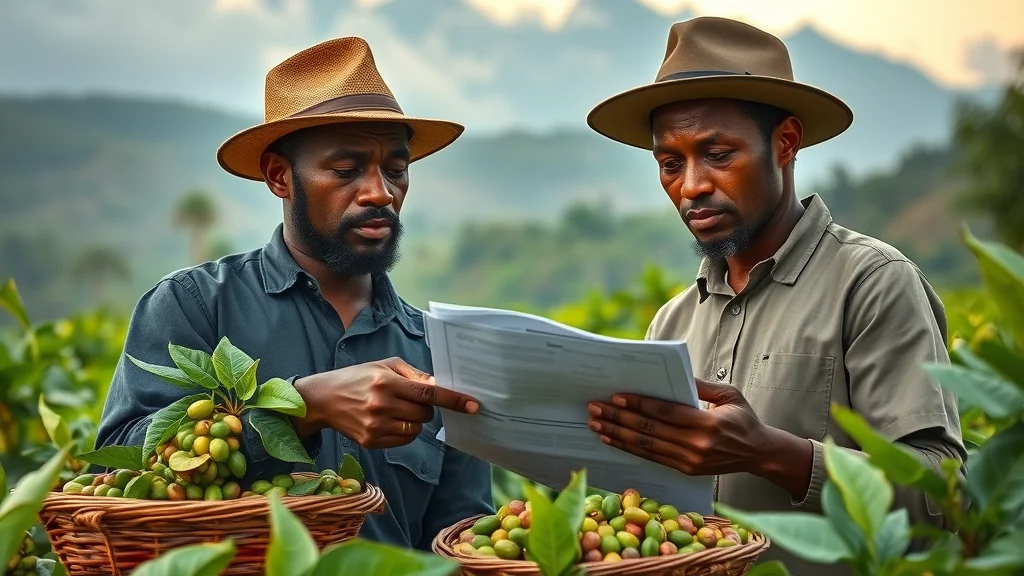
The eu deforestation regulation africa exports link is no longer a theory—it’s an immediate reality. With agricultural commodities like coffee, cocoa, and palm oil under scrutiny, the EU’s regulation demands a rapid upgrade in how African nations manage, trace, and certify exports. The domino effects are profound: exporters must overhaul their supply chains, invest in traceability technology, and meet due diligence standards, or risk losing market access to Europe. The European Union aims to ensure that any relevant product placed on the EU market or exported from it is not linked to deforestation or forest degradation post-2020, fundamentally shifting the cost and compliance structure for African producers. The move is seen as both a challenge—pushing many countries to the brink of trade disruption—and an opportunity for those ready to embrace sustainable practices, cementing market leadership in the new era of global trade.
“Nearly 20% of Africa’s agricultural exports could face trade barriers under the new EU deforestation regulation—a wake-up call for policymakers and producers alike.”
What You’ll Learn About EU Deforestation Regulation Africa Exports
- The core requirements of the EU deforestation regulation for African exports
- Immediate risks and opportunities for African countries
- Key updates from the European Commission and their impact
- How to navigate eudr compliance for coffee sector and beyond
Understanding EU Deforestation Regulation Africa Exports: An Overview
Deforestation Regulation and the European Union: Why It Matters Now
The deforestation regulation introduced by the European Union is a direct response to growing global concerns about illegal logging, climate change, and biodiversity loss. For decades, the EU has been a crucial market for Africa’s agricultural exports, including coffee, cocoa, and palm oil. However, increasing evidence of global deforestation linked to these supply chains prompted policymakers to act. Now, the EU deforestation regulation africa exports connection is a central policy debate. Under new eu regulations, only products proven to be deforestation-free can enter or remain in the eu market. That means African producers, many of whom are smallholder farmers, will need to radically transform their business models. The goal is clear: protect forests while allowing sustainable economic development. But as the compliance deadline approaches, the pressure is mounting for African countries to upgrade their practices—or face exclusion from lucrative European trade.

Key Changes in EU Deforestation Law and Their Implications for African Countries
Recent updates to the eu deforestation regulation introduce stricter requirements for origin tracing, risk assessment, and supply chain due diligence. African exporters must now document that their goods—whether coffee, cocoa, or palm oil—are not sourced from land subjected to deforestation or forest degradation after 2020. Failure to provide sufficient documentation or due diligence statements will result in denied access to the EU market. This regulation poses significant compliance hurdles for African countries, especially those with limited digital infrastructure or fragmented agricultural sectors. Yet, the new law also presents an opportunity for forward-thinking exporters to align with growing consumer preferences for sustainability, potentially commanding premium prices. For policy stakeholders, the key lies in rapid adaptation, investment in technology, and supporting smallholders to avoid exclusion from global trade flows.
Key Provisions of the EU Deforestation Regulation Affecting Africa Exports
| Regulation Component | Direct Impact on African Countries | Implementation Deadline | Stakeholder Effect |
|---|---|---|---|
| Scope of Products (Coffee, Cocoa, Palm Oil) |
Major export commodities face new certification and traceability requirements for eu market access | 2024–2025 | Producers, cooperatives, government agencies, exporters |
| Traceability Requirements | Mandatory supply chain mapping and geolocation data for all farms/plots | 2024 (large operators), 2025 (SMEs) | Smallholder farmers, exporters |
| Due Diligence Obligations | Provision of due diligence statements, risk assessment, and evidence showing products are not linked to deforestation | 2024 | All supply chain actors |
- Scope of products (coffee, cocoa, palm oil)
- Traceability requirements for supply chain
- Due diligence obligations for exporters
Real-World Impacts: Africa Exports, Coffee Sector, and Supply Chain Reshaping
Case Study: Ethiopian Coffee and the Burden of EUDR Compliance
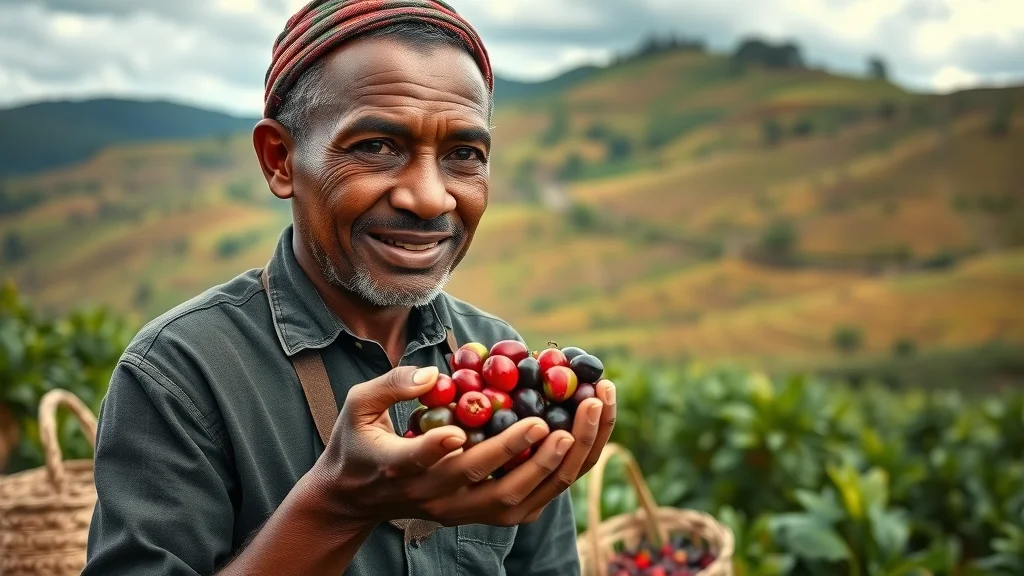
The ethiopian coffee sector stands as a telling example of what’s at stake. Ethiopia is renowned for its unique coffee varieties and robust export earnings, with the EU market as one of its largest consumers. Under the new legislation, Ethiopian producers must now trace coffee beans back to individual farm plots, geolocate each lot, and supply comprehensive documentation as part of their due diligence. This is a significant challenge—Ethiopia’s coffee trade involves millions of smallholder farmers, many of whom lack formal records or digital traceability systems. The administrative and financial burden is heavy, raising fears that smaller producers could be squeezed out of the market if they fail to meet eudr requirements. However, by investing early in transparency and traceability—potentially supported by government and donor initiatives—Ethiopian coffee could maintain its prized position and even strengthen its brand in the EU as a premium, sustainable product.
Dr. Ayele Kebede, Ethiopian Coffee Producer: “We must re-think supply chain transparency to survive in the European market.”
Winners and Losers: Which African Countries Face the Greatest Exposure?
The impact of the eu deforestation regulation africa exports is uneven. Countries like Ghana and Ivory Coast—both key suppliers of cocoa—face steep compliance costs and possible market disruptions. In contrast, nations with diversified exports or proactive compliance investments (such as Ethiopia’s coffee sector) may be better positioned to adapt. Single-commodity exporters risk having their market access severely restricted if they cannot ensure deforestation-free production. Those able to rapidly upgrade traceability systems and align with the european commission frameworks could seize the initiative, securing investment, premium buyers, and positive reputational effects across global supply chains.
- Biggest export markets to the EU: Ghana (cocoa), Ivory Coast (cocoa), Ethiopia (coffee)
- Diversified vs. single-commodity exporters—diversification moderates risk of exclusion
Driving Factors: Data, Policy, and Market Signals Shaping the Deforestation Regulation
European Union Goals: Environmental Protection and Market Leadership
At its core, the deforestation regulation is driven by the European Commission’s vision of positioning the EU as a global leader in sustainable trade and climate action. The new law aims to reduce the EU’s role in driving global deforestation while ensuring European consumers have access to sustainable products. By implementing strict due diligence and traceability requirements, the EU sets a new global standard for agricultural trade. African countries, therefore, face two choices: adapt quickly and thrive under the new rules or risk falling behind as buyers shift preferences toward compliant, greener sources. This dynamic accelerates the shift from traditional commodity trading to value-driven, transparent supply chains, impacting everything from investment flows to smallholder livelihoods.
How Supply Chain Digitization and Satellite Monitoring Fuel Due Diligence
Key to the regulation’s success are advances in digital traceability and real-time land monitoring. The European Union expects African exporters to deploy supply chain mapping tools, satellite imagery, and digital recordkeeping to prove deforestation-free status. Government agencies across Africa are now partnering with tech firms and donor agencies to roll out affordable, scalable traceability systems—from blockchain-powered ledgers to geospatial databases. These tools reduce the cost of compliance with the deforestation regulation while providing new market signals for transparency. The European Commission is also providing technical guidance to help countries integrate new monitoring systems, further supporting smallholder inclusion and equitable market access.
- Role of European Commission policy framework—driving transparent, data-driven supply chains
- Technological advances in traceability—satellite monitoring, blockchain, digital ledgers

Practical Implications for African Countries and Global Agricultural Stakeholders
Challenges of EUDR Compliance: Capacity, Cost, and Certification
Meeting the eudr compliance mandate presents a significant challenge for many African nations. Capacity gaps, especially in digital infrastructure and record-keeping, increase the cost of adoption for farmers and exporters. Most smallholder farmers lack the capital to independently certify or digitize their supply chains, raising concerns over equity and rural inclusion. Certification costs and administrative hurdles could push vulnerable producers out of the eu market, consolidating trade in the hands of larger commercial actors. Recognizing these challenges, industry groups, NGOs, and the European Union are mobilizing support and technical assistance programs—but the clock is ticking. Only those who invest early in capacity-building, farmer training, and supply chain technology stand to benefit from new opportunities.
Opportunities in the Coffee Sector and Beyond: Value Addition, Investment, and Partnerships
While the deforestation regulation poses significant compliance burdens, it also unlocks new opportunities for value addition, investment, and partnerships. Forward-looking African exporters are rebranding their coffee, cocoa, and palm oil as premium, ethically sourced products—attracting impact investment and sophisticated EU buyers. Programs that certify deforestation-free, carbon-neutral, or organic produce can deliver price premiums and stable long-term contracts. Additionally, African governments can leverage support from the European Commission and international donors to scale up rural digital infrastructure, improve traceability, and build strategic partnerships with sustainable brands. This dual approach—meeting compliance while capturing new value—positions African countries not just to survive the regulatory shakeout, but to thrive in the new global marketplace.

Strategies for Exporters: Preparing for Deforestation Regulation
- Strengthening supply chain traceability: Invest in digital mapping and recordkeeping, from farm plots to export lots.
- Building farmer cooperatives: Pool resources, share certification and compliance costs, and improve bargaining power.
- Seeking sustainable finance: Leverage green loan programs, government grants, and impact investments targeting compliant exports.
- Engaging EU buyers proactively: Communicate new sustainability credentials, co-create traceability solutions, and build long-term relationships with compliant partners.
People Also Ask About EU Deforestation Regulation Africa Exports
How does the EU deforestation regulation affect Africa’s coffee sector?
The EU deforestation regulation will increase compliance costs for coffee producers, necessitate greater traceability, and could limit market access for non-compliant suppliers, particularly in coffee-exporting countries like Ethiopia.
What is required for EUDR compliance in African supply chains?
African exporters must ensure full traceability of products, document land use status, and provide due diligence statements confirming no deforestation occurred post-2020 for all relevant exports bound for the EU market.
Which African countries are most exposed to the EU law?
Countries with significant exports of regulated commodities, such as Ivory Coast (cocoa), Ghana (cocoa), and Ethiopia (coffee), are most vulnerable to trade disruptions unless rapid adaptation takes place.
Can Africa leverage the EU deforestation regulation for competitive advantage?
Yes, by investing in transparency, sustainable certification, and digital innovation, African exporters can differentiate their products and secure stronger, higher-value market positions in the EU.
FAQs on EU Deforestation Regulation Africa Exports
- What sectors are most impacted besides coffee?
Alongside coffee, cocoa and palm oil face the most direct impacts, but the regulation may also extend to other agricultural sectors over time. - What penalties do non-compliant exporters face?
Non-compliant exporters risk denied access to the EU market, potential financial penalties, and a damaged reputation among global buyers. - Are there EU support programs for transition?
Yes, the European Commission, together with international organizations, is offering technical assistance, digital infrastructure grants, and training to facilitate compliance for African exporters.
Key Takeaways: What the EU Deforestation Regulation Means for Africa Exports
- Timely eudr compliance is crucial for continued access to the EU market
- Both risks and new investment opportunities await African countries
- Policy engagement, capacity building, and market partnerships are essential strategies

Looking Ahead: Navigating the Future of Africa Exports under EU Deforestation Regulation
“Africa can become a global leader in sustainable agriculture—but bold action is needed now to seize the moment.”
Further Resources: Policy Briefs, Reports, and Expert Analysis
- European Commission policy documents
- Market research on EU deforestation trends
- Best practice guides for African exporters
Ready to position your exports for EUDR compliance and sustainable growth? Start your transition today with expert advice.
Actionable Takeaway: The EU deforestation regulation is both a risk and a catalyst. African countries and exporters who act now to build sustainable, traceable supply chains will secure their place in the EU market—and set the global agenda for ethical trade.
Sources
- European Commission: Deforestation and Forest Regulation
- TRADE Law Centre (tralac): The EU Deforestation Regulation and Africa’s Exports
- IDH Sustainable Trade: How the EU Deforestation Regulation Impacts Africa
- Global Coffee Platform: EUDR Explained
- Foresight Africa: Analysis on EUDR and Coffee Sector