Did you know only 1% of Africa’s agricultural exports reach the US? With the African Growth and Opportunity Act (AGOA), African farmers have a real chance to upend this status quo and transform agricultural trade.
“Only 1% of Africa’s agricultural exports reach the US market—AGOA offers a real chance to change this paradigm.”
An Unconventional Truth About AGOA Africa Agriculture Exports USA
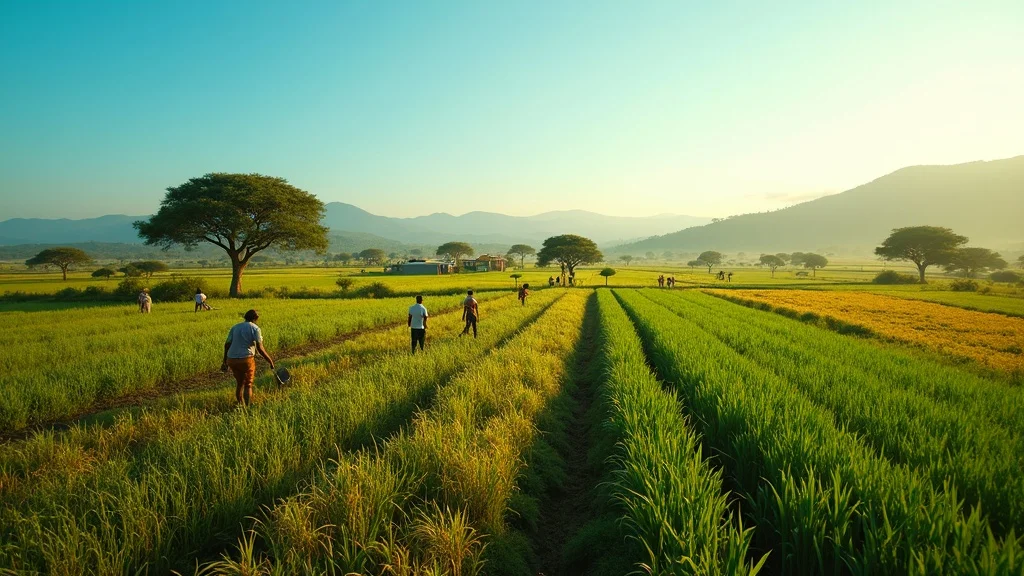
Africa’s agricultural potential is vast—but the connection between African farmers and lucrative US markets has been frustratingly small. The AGOA Africa agriculture exports USA initiative, under the African Growth and Opportunity Act (AGOA), was designed to bridge this gap and spark opportunity where it matters most. Despite two decades of preferential trade benefits, the United States remains a minor destination for African agricultural output. Why have so few African farmers truly benefited? The answer is complicated—mixing policy inertia, market access hurdles, and global competition. However, with the extension of the AGOA and shifting global trade signals in 2024 and beyond, the environment is poised to change. Policymakers, agricultural operators, and investors face a critical juncture. The next chapter of AGOA could yield more market access for African exporters, transforming communities and strengthening resilience in supply chains. But success depends on understanding the new rules, leveraging best practices, and adapting to dynamic market forces.
What You’ll Learn About AGOA, Africa Agriculture, and US Export Opportunities
- How the African Growth and Opportunity Act (AGOA) shapes agricultural exports from Africa to the USA
- Policy shifts and market dynamics changing the landscape of AGOA Africa agriculture exports USA
- Risks, opportunities, and best practices for leveraging AGOA Africa agriculture exports USA
- Steps African farmers and policymakers can take to improve US market access
Understanding AGOA: The African Growth and Opportunity Act and Its Impact on Agriculture
“AGOA has reshaped African agricultural exports, but has it done enough for the smallholder farmer?”
The African Growth and Opportunity Act (AGOA) is the United States’ signature trade preference program for Sub-Saharan Africa. Enacted in 2000, AGOA grants duty-free access to the US market for over 6,500 tariff lines from eligible African countries, including many key agricultural products. The core objective is to stimulate growth, deepen trade ties, and foster economic reform in African nations. Central to the AGOA is the opportunity act’s focus on incentivizing rule of law, human rights, and political pluralism. While it has stronger uptake in the apparel and light manufacturing sectors, agriculture presents the biggest untapped prize—especially for smallholder farmers and private sector innovators seeking to expand beyond traditional European markets. AGOA’s periodic extension—the latest under debate in Congress—renewed critical attention to the program’s effectiveness. The growth and opportunity act has evolved, adapting eligibility requirements and compliance rules to fit changing US priorities and the realities of global trade. For African agriculture, keeping pace with standards, traceability, and compliance is now crucial for accessing and maintaining US market privileges.
- History and objectives of the African Growth and Opportunity Act
- Key provisions for AGOA Africa agriculture exports USA
- How AGOA extension and recent policy changes affect trade
The State of African Agriculture Exports to the USA: Data and Market Signals
| Country | Main Agricultural Exports | Export Volume (tons) | Value (USD millions) |
|---|---|---|---|
| South Africa | Fruit juices, citrus, wine, nuts | 170,000 | 430 |
| Kenya | Tea, coffee, cut flowers, macadamia | 62,000 | 127 |
| Ghana | Cocoa, processed fruits, shea butter | 44,000 | 62 |
| Nigeria | Cocoa, sesame, processed cashews | 38,500 | 55 |
| Ivory Coast | Cocoa, bananas, coconuts | 29,500 | 40 |
Despite AGOA’s intent, only a handful of countries—most notably South Africa, Kenya, and Ghana—have seized significant shares of US-bound agricultural exports. South African agriculture leads with fruit juices, citrus, wine, and specialty products, but this represents a fraction of the global opportunity. Market signals show modest but steady growth in total export volumes and value, with increased diversification beyond raw commodities. The growth and opportunity act outcomes remain mixed for agriculture. South Africa’s export performance is closely watched, especially after the AGOA extension debates and imposed higher tariffs during the Trump administration’s disputes. The evolving challenge is for smaller African countries to convert eligibility into active trading and compete with established global suppliers. Key barriers include quality standards, logistics, inconsistent compliance, and market awareness. The next phase for African growth and opportunity rests on smart, targeted interventions to help exporters move beyond traditional markets.
- The current landscape: Growth and Opportunity Act outcomes for agriculture
- Trends in South African agriculture exports to the USA
- Challenges faced by African Growth and Opportunity Act beneficiaries

Why AGOA Africa Agriculture Exports USA Matter Now More Than Ever
The urgency to unlock AGOA Africa agriculture exports USA has never been greater. The world faces mounting concerns over global food security, supply chain resilience, and economic dependency between Africa and the United States. As new trade wars, reciprocal tariffs, and shifting alliances redefine the playing field, Africa’s agricultural strategy must adapt quickly. AGOA presents a unique opportunity for African countries to leverage trade preference programs to secure higher-value markets and improve rural livelihoods. However, this window may narrow as US legislative focus turns toward stricter compliance and bilateral trade agreements. Volatility in US politics (from the Biden and Trump administrations) and global demand add pressure for African governments and businesses to demonstrate agility and compliance. The stakes are high—not just for exporters but for millions of consumers in both continents who depend on stable, affordable, and diverse food supplies.
- Global food security and mutual economic dependency
- Trade volatility, reciprocal tariffs, and bilateral agreements
“With shifting trade alliances, Africa’s agricultural fate hinges on smart use of AGOA.”
Winners and Losers: Who Benefits—and Who is Exposed under AGOA Africa Agriculture Exports USA?
The African Growth and Opportunity Act is a game-changer—but only for those who can navigate its intricacies. Smallholder farmers often find themselves left out, dwarfed by commercial-scale export farms that can meet stringent US standards. South Africa, as the largest agricultural beneficiary, offers insight into what’s possible—but also the risks and disparities. The South African export surge has driven innovation and employment but has also sparked debate over equity and sustainability in local food systems. On the US side, consumers enjoy broader access to African-grown products, including coffee, fruit juices, and specialty foods that diversify retail offerings and support healthier diets. However, African markets can suffer from unintended consequences: when local produce is exported, domestic availability can shrink, and prices may rise. Long-term, risks include over-reliance on single trading partners and vulnerability to sudden policy changes or tariff increases. Policymakers must address these imbalances to ensure AGOA champions broad-based African growth and opportunity—not just a privileged few.
- Smallholder vs. commercial scale farmers under African Growth and Opportunity
- South Africa and AGOA extension: special case studies
- Consumer benefits in the USA
- Risks for local African markets and sustainability
Policy, Data, and Market Forces: What’s Driving Change in AGOA Africa Agriculture Exports USA?
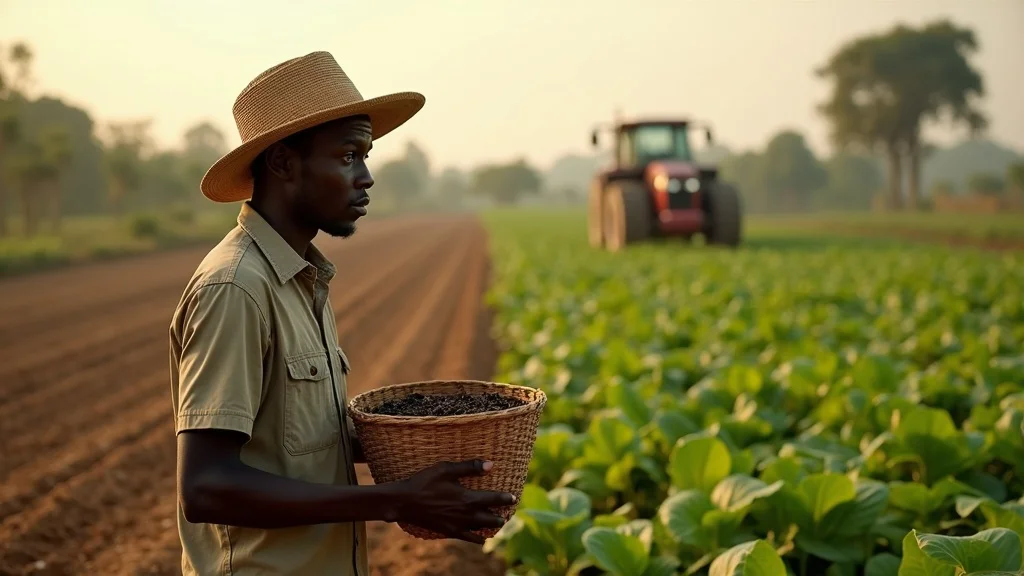
Recent updates to AGOA and broader US trade policy dramatically impact the outlook for Africa’s agricultural exporters. Congressional debates on the extension of the African Growth and Opportunity Act focus on balancing development goals with US political concerns—ranging from market access to the rule of law and human rights. New requirements for traceability and compliance reflect global consumer expectations, even as inflation and higher US interest rates put pressure on trade dynamics. The specter of reciprocal tariffs and trade war risks—whether with China, the EU, or through regional African friction—can impact African exporters overnight. Macro trends for 2026 predict greater volatility in commodity prices, a renewed focus on self-sufficiency, and new bilateral deals that could overshadow AGOA’s preference program. In this context, African trading partners and yield more market access only if they can adapt quickly, communicate credibility to US buyers, and meet evolving standards.
- Recent AGOA and US policy updates impacting Opportunity Act outcomes
- Macro-economic trends: US interest rates, tariffs, global trade outlook for 2026
- Role of new reciprocal tariffs and trade war risks
Practical Implications: What African Farmers, Operators, and Policymakers Need to Know
For African stakeholders eager to take advantage of AGOA, practical steps are paramount. Qualification depends on rigorous documentation, adherence to sanitary and phytosanitary standards, and transparent supply chain management. Compliance is not a static checklist—it is an ongoing process requiring investment, training, and regular audits. To thrive, African agricultural exporters must harness technology for traceability, partner with logistics and legal providers versed in US rules, and pursue certification schemes with credibility in the United States. Leading success stories typically involve strong collaborations between governments, farmer cooperatives, and private investors. At the same time, common pitfalls include mismanagement, lack of market research, and failing to adapt to changing US consumer trends. Smart operators look continually for ways to increase productivity, meet US standards, and build strong reputational partnerships across the supply chain.
- How to qualify under AGOA for Africa agriculture exports USA
- Strategies for compliance, traceability, and standards in Growth and Opportunity Act markets
- Leveraging technology and partnerships in African Growth and Opportunity
- Biggest pitfalls and leading success stories

What to Watch Next: AGOA Africa Agriculture Exports USA in a Transforming Trade World
The next 36 months may set the direction of US–Africa agricultural relations for a decade or more. AGOA’s future is up for debate in Congress, with stakeholders advocating for renewal, adjustment, or even transition to bilateral agreements. African exporters must track global economic risks—ranging from inflation and commodity volatility to shifting consumer demand. Diversification will be critical, with innovators looking beyond the US market to emerging partners in Asia and the Middle East. Emphasis on sustainable exports, digital agriculture tools, and climate-smart practices can position Africa as a leader in global food systems—if regulatory hurdles are cleared. Policymakers, operators, and investors must work in concert to seize opportunities, mitigate risks, and ensure African farmers—small and large—are not left behind as preferences and tariffs change.
- Pending policy debates on AGOA extension in Congress
- Emerging markets: diversifying beyond the US
- Innovations in sustainable African agricultural exports
- What global economic risks and signals to track

Animated explainer: Following African produce from farm to US retail, with easy-to-read graphs, farmer interviews, shipping scenes, and insights on the AGOA advantage for African exporters.
People Also Ask: AGOA Africa Agriculture Exports USA Insights
What is the AGOA agreement with the US?
The African Growth and Opportunity Act (AGOA) is a trade preference program created by the United States to foster economic development by allowing duty-free imports from eligible African countries. Its main goal is to expand african growth and opportunity by granting better access for products like coffee, fruit juices, and textiles, especially in agriculture. The agreement sets conditions around the rule of law, human rights, and economic reforms to encourage sustainable African export growth.
What is the global trade outlook for 2026?
Experts predict that global trade in 2026 will be marked by greater uncertainty, with potential for higher tariffs, rapidly evolving bilateral deals, and increased competition for major markets like the United States. AGOA Africa agriculture exports USA are likely to see both opportunities and risks, as African exporters must navigate shifting regulatory standards, volatile demand, and new competitive dynamics. Expect innovation, digitization, and changing consumer trends to drive African agriculture’s global presence.
What countries are in a trade war with the US?
Currently, the US faces trade tensions and reciprocal tariffs with major economies including China and, occasionally, the European Union. While no African countries are officially in a trade war with the US, global trade disputes can impact AGOA by shifting market priorities, increasing scrutiny, or prompting unilateral US policy actions. African growth and opportunity act beneficiaries must keep informed on trade preferences and ready adaptation strategies.
Are US agricultural exports declining?
Recent data indicate US agricultural exports have faced challenges, fueled by trade disputes, higher tariffs, and global supply chain issues. At the same time, AGOA Africa agriculture exports USA have a chance to fill supply gaps, especially in specialty and seasonal crops. African exporters who adapt quickly to US standards and consumer trends can leverage this window for long-term growth.
Case studies featuring Kenyan macadamia cooperatives, South African citrus farms, and Ghanaian cocoa processors using AGOA to access US markets and transform local communities.
FAQs on AGOA Africa Agriculture Exports USA
- How can African farmers access the AGOA program for agriculture exports to the USA?
African farmers must ensure their country is AGOA-eligible, comply with US sanitary and phytosanitary standards, and work with export certification bodies. Collaboration with government agencies and US import partners is key to a successful application. - What products are best suited for AGOA Africa agriculture exports USA?
Top export candidates include coffee, tea, fruit juices, nuts, cocoa, cut flowers, and processed produce. Products with proven demand and strong supply chain documentation stand the best chance. - Is AGOA set to expire or be renewed (AGOA extension)?
AGOA is currently up for review in the US Congress, with debate surrounding its extension, potential modifications, and future focus areas. Stakeholders are mobilizing to ensure the continuation or adaptation of the act. - Can smaller African countries compete under the African Growth and Opportunity Act?
Yes, but success hinges on support for compliance, investment in traceability, and building relationships with established US importers. Governments and cooperatives play a crucial role in leveling the playing field.
Key Takeaways: The Real-World Impact of AGOA Africa Agriculture Exports USA
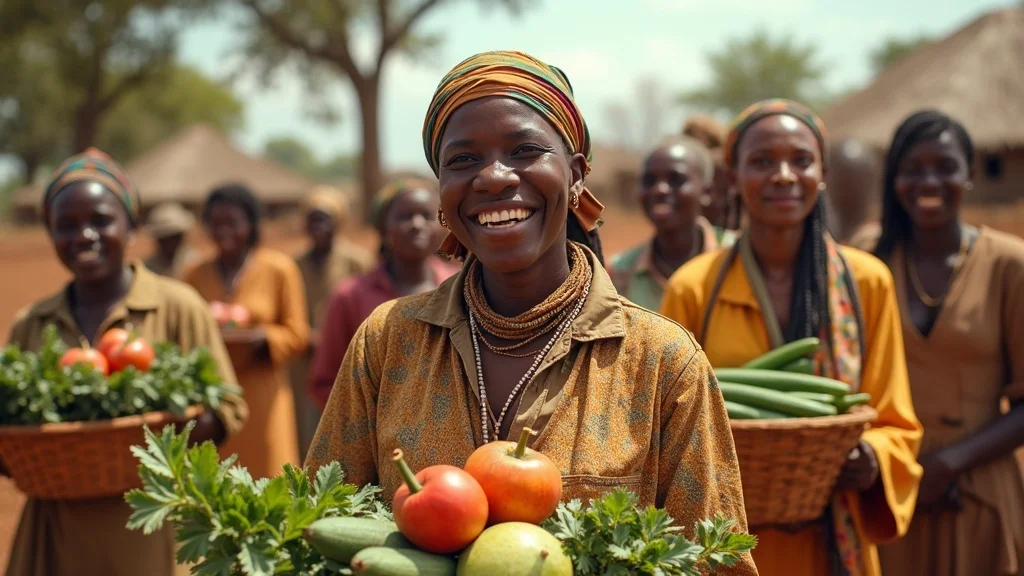
- AGOA offers African farmers critical access, but navigating compliance is key
- Policy and market shifts will define winners and losers
- Farmers, policymakers, and investors must collaborate for maximum benefit
Shaping the Future: Make Your Voice Heard on AGOA Africa Agriculture Exports USA
As AGOA’s future is negotiated, engagement from policymakers, operators, and stakeholders is critical. Now is the time to lobby for smart reforms, invest in compliance infrastructure, and build robust, sustainable export strategies. Amplify your perspective, advocate for inclusive trade, and ensure that African farmers—large and small—can realize the promise of the growth and opportunity act.
Sources
- USTR: African Growth and Opportunity Act – https://ustr.gov/issue-areas/trade-development/preference-programs/african-growth-and-opportunity-act-agoa
- International Trade Administration: AGOA – https://www.trade.gov/agoa
- USDA Foreign Agricultural Service Data – https://www.fas.usda.gov/data
- Brookings: The AGOA Advantage – https://www.brookings.edu/articles/the-agoa-advantage-what-african-countries-need-to-know/
- Tralac: AGOA Annual Report – https://tralac.org/documents/resources/agoa/6055-agoa-annual-report-2022-ustr/file.html