Startling fact: In 2023, nearly 70 million people in East Africa faced acute food insecurity. This staggering number reveals just how critical effective food security policy in East Africa has become—not just for the region’s wellbeing, but also for global stability and sustainable development. If you’re a policymaker, investor, or operator in African food systems, understanding what’s working—and what isn’t—could not be more urgent.
An Alarming Reality: The State of Food Security Policy in East Africa
- Current policies driving food security in East Africa
- The successes and failures of major food security programs
- Key risks, outcomes, and trends influencing food security policy
- The impact of climate change and food price volatility
- Lessons and opportunities for policymakers, investors, and operators
“In 2023, almost 70 million people in East Africa faced acute food insecurity, underscoring the urgent need for effective food security policy east africa interventions.”

East Africa stands at a crossroads. Years of droughts, volatile food prices, and regional conflicts have challenged food systems that millions depend on. Although recent policy interventions have brought hope, the sheer scale of hunger highlights gaps like inconsistent implementation, underfunded safety nets, and fragile agricultural markets. Today, policy stakeholders and investors alike must weigh not only present outcomes but also the looming risks posed by climate change and global market shocks. This article takes a close look at the policies shaping food security in East Africa, spotlighting what’s delivering results, what’s falling short, and what urgent steps are needed next.
Understanding Food Security Policy East Africa
Defining Food Security in East Africa
Food security in East Africa means more than just having enough calories to eat. The region’s policymakers and agricultural experts define food security as continuous access to safe, nutritious, and culturally appropriate foods for all people, at all times, to lead healthy lives. This definition touches on four pillars: food availability, economic and physical access, stability of supply, and food utilization—each of which intersects with unique regional dynamics like weather, poverty, and policy frameworks.
In practice, food security policy East Africa takes on challenges like erratic rainfall, limited food production infrastructure, and rapid population growth. Overdependence on food imports and systemic economic inequality leave populations vulnerable—especially in rural communities and conflict zones, where food availability and access are disrupted regularly. Policymakers balance emergency responses and long-term investments, ranging from subsidized seeds for smallholder farmers to nutrition-sensitive school feeding programs. But addressing food insecurity truly means reducing risk at every point in the food system, from farm to table.
Key Pillars of Food Security Policy in East Africa
Robust food security policy East Africa is built on four main pillars: Availability: Ensuring sufficient food production domestically and through imports. Policies address productivity, use of improved seeds, and support for the agricultural sector. Access: Guaranteeing that food is physically and economically reachable. This involves subsidies, social protections, and stable food prices. Utilization: Fostering a food system where households can use food safely and nutritiously, supported by public health and education initiatives. Stability: Minimizing sudden shortages or price spikes due to climate change or market disruption. Early warning systems and strategic reserves play a key role here.
These pillars guide key government and NGO interventions, from boosting agricultural productivity to supporting food and agriculture markets. They also reflect the interplay between domestic food systems and external factors like global food prices or weather events, highlighting the complexity of crafting effective policy for food security in East Africa.

Historical Perspective: How Food Security Policies Evolved in East Africa
Over the past several decades, food security policy East Africa has undergone seismic shifts. In the 1980s and 1990s, structural adjustment programs promoted market liberalization and reduced state involvement, encouraging reliance on private solutions. However, frequent food crises—including the 2011 Horn of Africa famine—prompted a policy pivot back toward robust public intervention, social protection, and strategic food reserve systems.
Notably, the Food and Agriculture Organization (FAO) and African Union initiatives have encouraged national food security strategies that blend public and private roles, boost agricultural productivity, and anticipate climate change. Early warning programs and cross-border food trade policies now aim to build resilience against sudden food price shocks or extreme weather events. Yet, while frameworks have matured on paper, the challenge remains: delivering effective outcomes for the millions still living with chronic or acute food insecurity.
Food Security Policy East Africa: Data, Drivers, and Trends
Current Food Security Indicators in East Africa
The latest data paints a mixed picture for food security policy East Africa. Acute food insecurity remains alarmingly high—according to the United Nations and regional food security monitors, over 70 million people are affected in 2023. Nutritional outcomes also lag global averages, with high rates of child stunting and low dietary diversity across many East African countries.
In some areas, food access and food availability have marginally improved due to investments in irrigation, drought-resistant crops, and infrastructure. However, most governments still rely on food imports to supplement local shortfalls. Sharp disparities persist between urban and rural communities—rural areas face higher rates of poverty and malnutrition, with fragile food systems unable to cushion against shocks.
| Indicator | East Africa (2023) | Sub-Saharan Africa (2023) |
|---|---|---|
| Acute Food Insecurity (people) | 70 million | 150 million |
| Food Imports (% of total consumption) | 30% | 22% |
| Child Stunting Rate | 33% | 28% |
| Average Food Price Change (year-on-year) | +14% | +9% |
Role of Food Price Volatility on Food Security Policy East Africa
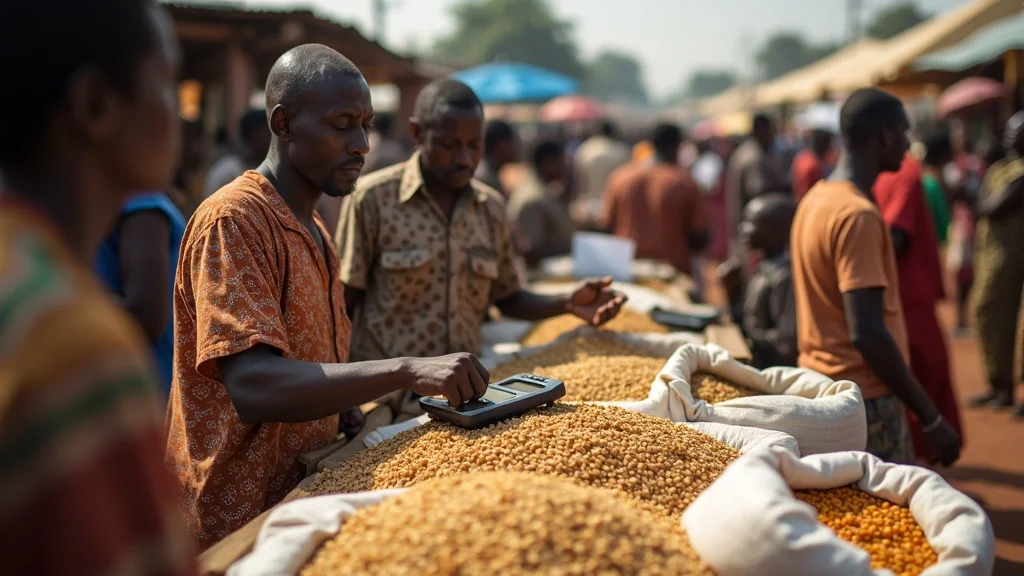
Food price volatility remains one of the biggest threats to food security policy East Africa. Global price spikes, currency fluctuations, and export bans can double or triple the cost of staples like maize or wheat almost overnight, undermining carefully planned policy interventions.
The ripple effects of global shocks—whether prompted by geopolitics or supply chain disruptions—are felt most acutely by consumers and smallholder farmers. With thin margins and no safety nets, a single bad harvest or sudden price hike can mean hunger. East African governments and donors are exploring targeted cash transfers, food subsidies, and strategic reserves as buffers. Yet, the challenge is ensuring that mitigation policies keep pace with rapidly changing markets, and that the most vulnerable—especially women, youth, and the rural poor—are not left unprotected.
Impact of Climate Change on Food Security and Policy Response in East Africa
No factor disrupts food systems in East Africa more dramatically than climate change. Erratic rainfall, prolonged droughts, and extreme weather events have become more frequent and severe. These disruptions threaten crop yields, force pastoralists to migrate, and put additional pressure on already scarce water resources.
Food security policy East Africa is responding by prioritizing climate adaptation and resilience. Investments in drought-resistant crops, regional weather monitoring, and crop insurance schemes are becoming more common. Partnerships with research institutes help tailor solutions to local contexts, while cross-border cooperation is gaining traction to manage shared resources. Ultimately, policies that anticipate and mitigate climate risks are now central to the region’s approach to achieving food security.
Food Insecurity Hotspots: Where Food Security Policies Are Most Needed
Food insecurity is not evenly distributed across the region. Hotspots include conflict-affected countries like South Sudan and parts of Ethiopia, as well as arid zones in Kenya, Somalia, and northern Uganda. Here, chronic poverty, limited market access, and recurrent shocks create entrenched hunger.
These areas reveal where food security policy East Africa must focus most: scaling humanitarian aid, rebuilding food infrastructure, and fostering peace. Only by targeting resources and policy attention to hotspots can long-term progress become a reality.
What is the Status of Food Security in Africa?
Overview of Food Security in Africa Compared to East Africa
The status of food security in Africa is deeply uneven. While East Africa struggles with high rates of hunger due to recurrent droughts, conflict, and rapid population growth, some other regions boast greater resilience thanks to resource endowment or stronger governance.
Regional disparities highlight the critical need for tailored, context-specific policy solutions. In Southern Africa, for example, commercialized agriculture and regional trade blocs have improved food security in recent years. By contrast, in East Africa, food insecurity is exacerbated by political instability, limited agricultural productivity, and insufficient safety nets. Here lies the opportunity: learning from best practices elsewhere while tailoring interventions to East Africa’s realities.
- Regional disparities in food security policy east africa
- Policy gaps and opportunities
“Africa’s food security landscape is shaped by a complex interplay of policy, climate, and market dynamics.”

What is the Food Crisis in East Africa?
Triggers and Scale of the Food Crisis
The current food crisis in East Africa is driven by an intersecting web of climate disasters, market inadequacies, and armed conflicts. Repeated droughts decimate crops and livestock. Simultaneously, soaring food imports and supply chain disruptions escalate costs, while shifting political priorities can delay humanitarian responses.
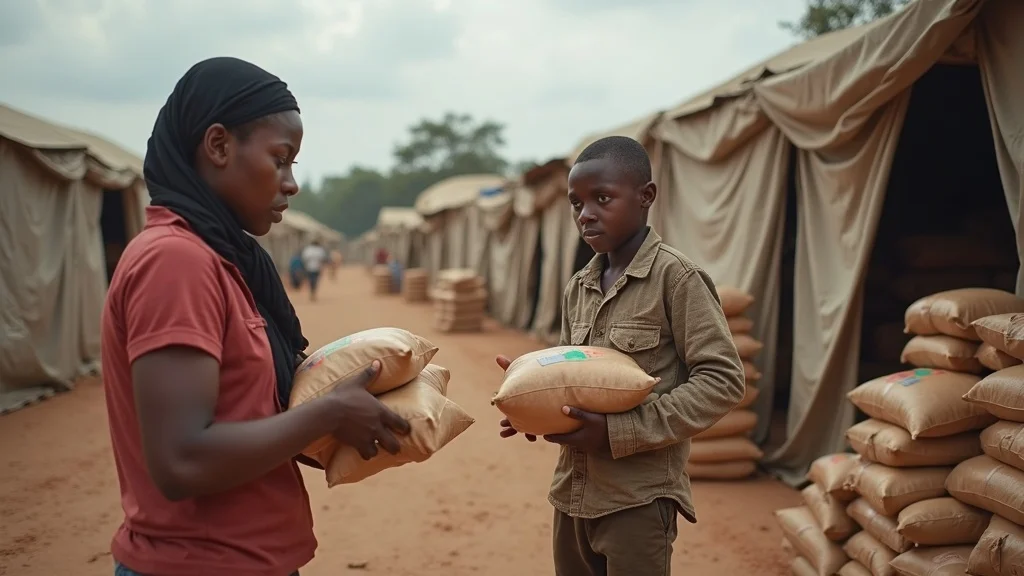
In humanitarian terms, this crisis means millions face emergency hunger each year. The hardest hit are often rural populations, children under five, and internally displaced people—groups for whom recovery without sustained intervention is almost impossible.
How Food Security Policy East Africa Is Being Tested by Crises
Policies are pushed to their limits during crises. Emergency food aid mobilizes rapidly, but chronic challenges—fragmented food systems, weak infrastructure, and underfunded social safety nets—show just how vulnerable existing food security policy east africa can be.
- Humanitarian implications of failed food security policy east africa
- Who is most at risk?
What is the Status of Food Security in Kenya?
Policy Interventions Addressing Food Security in Kenya
Kenya provides a window into both the promise and the limits of food security policy East Africa. On the positive side, the Kenyan government has championed major reforms: investments in irrigation, smart subsidies for smallholders, and adoption of climate-smart agriculture are driving improvements in food availability and structure of food systems.
Public-private partnerships and donor funding have catalyzed innovation, with the Agricultural Sector Development Support Programme and strategic food reserves providing crucial buffers against bad harvests or food price shocks. However, vulnerabilities persist: much of Kenya’s food basket is concentrated in just a few regions, putting millions at risk when weather patterns turn or markets fluctuate.
Success Stories and Persistent Challenges in Kenyan Food Security Policy
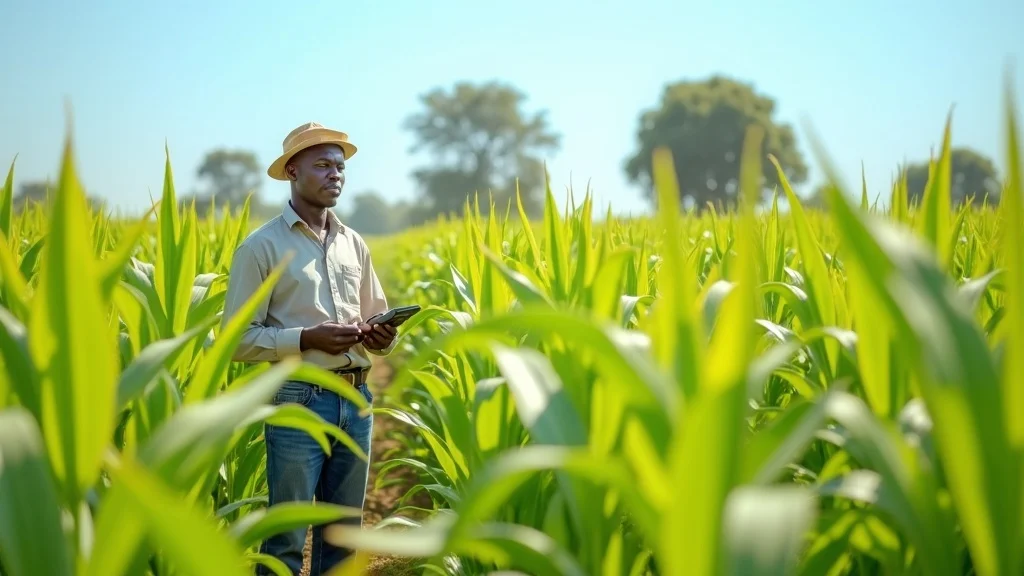
Success stories in Kenya include increased maize yields, strong drought-response programs, and a steadily declining national malnutrition rate. Yet, persistent challenges—such as rural poverty, unreliable transport infrastructure, and the rising cost of food imports—mean that millions remain exposed to shocks.
| Indicator | Kenya (2023) | East Africa (2023) |
|---|---|---|
| Maize Yield (tons/ha) | 3.5 | 2.1 |
| Food Imports (% of national supply) | 24% | 30% |
| Child Stunting Rate | 26% | 33% |
| Acute Food Insecurity | 4 million people | 70 million people |
“Kenya’s investments in drought-resilience have offered a blueprint, yet millions remain at risk.”
Which African Country Has the Best Food Security?
Comparative Analysis with East African Peers
Countries like South Africa and Morocco consistently rank higher on food security indices, owing to robust infrastructure, more diversified economies, and well-established agricultural support systems. Compared to East African peers, these nations demonstrate the importance of strong safety nets, mature markets, and new technology integration.
Lessons for Food Security Policy East Africa from Relatively Food-Secure Countries
What can food security policy east africa learn? Successful models stress adaptive policy frameworks, resilient infrastructure, and investment in innovation (e. g. , precision agriculture, digital supply chain management). However, “copy-paste” solutions rarely succeed—what works in Morocco or South Africa may not translate directly to East Africa’s more decentralized, rainfed farming systems. Instead, partnerships and policy transfer should be adapted to fit local context.
- Best practices for adapting food security policy east africa
- Policy transferability and local context

Food Security Policy East Africa: What’s Working
Successful Government Interventions in Food Security
Some East African governments are achieving notable success by combining smart regulation with targeted social protections. For example, Ethiopia’s Productive Safety Net Programme and Rwanda’s investment in fertilizer subsidies have helped millions to avoid the worst impacts of food insecurity.
Role of Market Innovations in Enhancing Food Access in East Africa
Market innovations—like mobile cash transfers, digital logistics platforms, and climate-indexed microinsurance—are breaking new ground. These tools directly improve food access for households previously left out of traditional safety net programs.
Community-Based Approaches and NGO Contributions to Food Security Policy
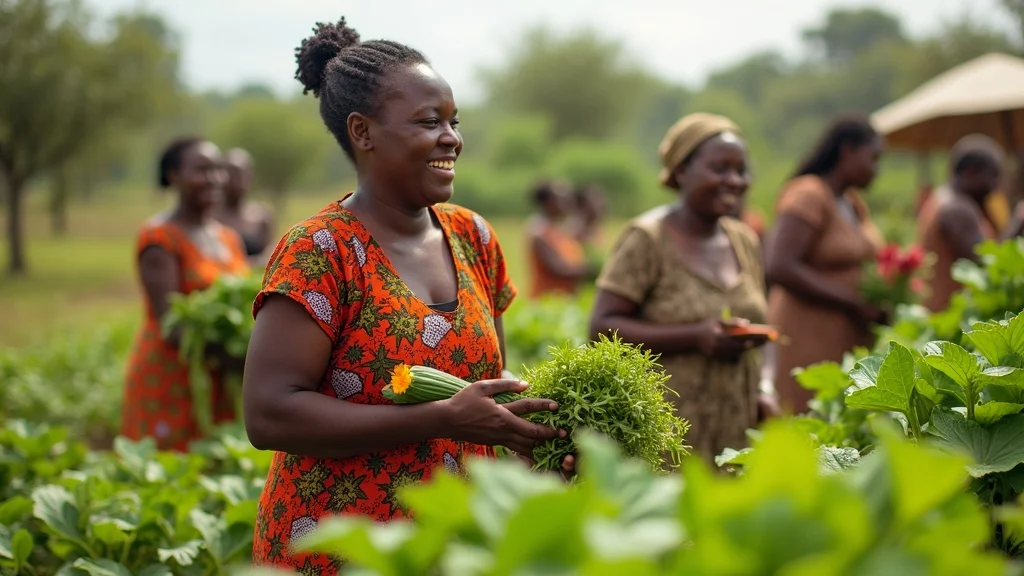
Community-led programs and NGO partnerships remain the backbone of local food resilience. Examples such as cooperative seed banks, rural women’s farming groups, and nutrition education initiatives not only improve immediate food security but also empower vulnerable populations in the long term.
- Notable examples of local and international program successes
- Evidence-backed data on food security improvements
“Community empowerment remains a cornerstone of sustainable food security in east africa.”
Food Security Policy East Africa: What’s Not Working
Policy Implementation Challenges in Food Security
Implementation gaps frequently stymie policy effectiveness. Insufficient funding, bureaucratic red tape, and capacity shortcomings result in uneven program rollouts and undermine public trust.
Impact of Corruption and Governance Issues on Food Security Policy
Corruption and poor governance can see critical food shipments delayed, public resources misallocated, and vulnerable communities left out—issues widely reported by civil society watchdogs and local news alike.
Unintended Outcomes: When Food Security Policy Falls Short in East Africa
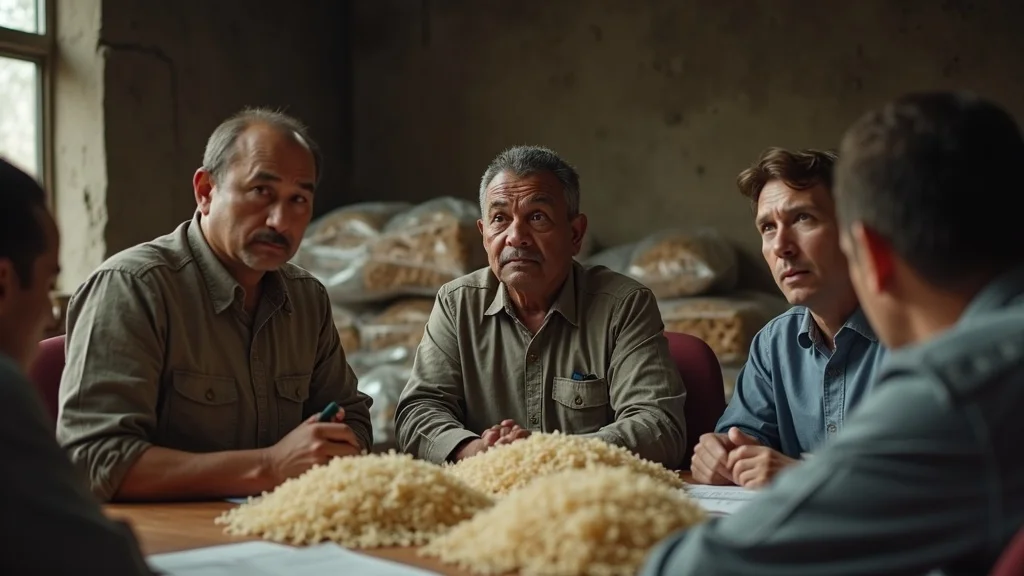
Policies sometimes create new challenges: subsidies may depress local market activity, emergency food aid can disrupt local farming, and rushed interventions may bypass the most marginalized groups. These situations call for data-driven, inclusive solutions at every policy stage.
- Data and case studies on failed food security interventions
- Who remains unserved and why?
Key Stakeholders and Policy Actors Shaping Food Security Policy East Africa
Government Bodies Influencing Food Security Policy in East Africa
Ministries of Agriculture, Health, and Finance coordinate to set national strategy, mobilize funding, and engage with partners. Regional blocs like IGAD facilitate cross-border collaboration on trade and resilience.
Role of International Agencies and Donors in East Africa
Key agencies—UN WFP, USAID, the World Bank—provide funding, technical support, and policy advocacy, helping scale up both emergency and longer-term responses.
Private Sector and Innovation in Food Security Policy
Agribusinesses, tech start-ups, and processors are leveraging innovation—expanding cold chains, digital input marketplaces, and finance products—layered into food security strategies from farm to urban market.

- Partnership models for better policy outcomes
Risks and Opportunities: Navigating the Future of Food Security Policy East Africa
Emerging Risks: Climate Uncertainty, Food Price Shocks, and Conflict
Policy stakeholders face a rapidly evolving landscape: intensifying climate uncertainty, ongoing conflict (e. g. , Sudan, Tigray), and global food price instability. Early-warning systems and resilient supply chains are increasingly indispensable.
Opportunities for Scaling Impactful Food Security Policy
New technology, growing regional trade, and innovative finance solutions offer pathways to improved outcomes—if harnessed intentionally. Prioritizing inclusive participation, especially of women and youth, can unlock untapped resilience and productivity.
- Early-warning systems
- Data-driven policy
- Public-private partnerships
- Early-warning systems
- Data-driven policy
- Public-private partnerships

Practical Implications: What Policy Stakeholders Need to Know About Food Security Policy in East Africa
Actionable Insights for Policymakers, Investors, and Operators
Now is the time for more ambitious alignment across governments, NGOs, local communities, and investors. Strengthen accountability, invest in data monitoring, and center inclusion—especially for women, youth, and rural populations—in every new strategy.
- Establish robust monitoring and evaluation for all interventions
- Invest in climate-resilient infrastructure and innovation
- Build partnership frameworks that span public and private sectors
- Empower local communities through education and resource access
- Expand early-warning and response systems for food crises
“Policy innovation is as urgent as food aid—long-term resilience demands systems change.”
What to Watch Next: Trends Shaping Food Security Policy East Africa
Digital Technology and Data in Advancing Food Security
Mobile agriculture apps, remote sensing, and digital supply tracking are revolutionizing food security monitoring. Better data means earlier warnings, more targeted support, and continuous learning from both failures and successes.

Regional Cooperation and Trade Policy in East Africa
Regional trade agreements and harmonized standards can reduce price volatility, smooth supply chains, and strengthen collective response to shocks. These efforts must now move from strategy to implementation.
- Watch for increased digital agriculture solutions
- Regional trade bloc expansion of food reserves
- Data-sharing agreements across borders
- Greater youth and women-led agri-entrepreneurship
- Climate finance scaling up adaptation projects
FAQs on Food Security Policy East Africa
How does climate change affect food security policy east africa?
Climate change brings erratic rainfall, droughts, and extreme weather events that disrupt crop yields and food markets. Food security policy east africa must now adapt to these uncertainties with investments in climate-resilient farming, early warning, and stronger safety nets for at-risk populations.
What role does the private sector play in food security policy east africa?
The private sector is vital in building resilient food systems: companies invest in processing, logistics, and digital innovation, which helps expand market access and drive down costs. Public-private partnerships can scale up solutions and ensure policies reach all citizens efficiently.
How are women and youth engaged in food security policy east africa?
Women and youth are increasingly recognized as agents of change, leading cooperatives, agri-enterprises, and social innovation projects. Engaging them in policy design and implementation results in solutions that are both equitable and sustainable.
What are the most effective models for scaling food security policy east africa?
Effective models blend data-driven policy, integrated early-warning systems, cross-sector partnerships, and community-based approaches, ensuring broad buy-in and efficient resource use for sustainable impact.
Key Takeaways from Food Security Policy East Africa
- The urgency of rethinking food security policy east africa
- Why data, innovation, and accountability are critical
- The potential for policy, market, and community alignment
Further Reading and Resources on Food Security Policy East Africa
- Peer-reviewed research
- Key policy reports
- Databases for food security policy analysis
Connect with Thought Leaders on Food Security Policy in East Africa
- Webinars, conferences, and policy forums
- Leading experts, institutions, and media channels
How You Can Support Food Security Policy East Africa Initiatives
- Advocacy, investment, volunteering, or policy engagement pathways
Ready to take action for food security policy east africa? Join leading policymakers to shape a food-secure future for East Africa.
Take action today. Advocate, invest, and engage—because the future of food security in East Africa depends on all of us.
To deepen your understanding of food security policies in East Africa, consider exploring the following resources: The East African Legislative Assembly’s adoption of a common strategy for food security outlines collaborative efforts among member states to enhance agricultural productivity and ensure food availability across the region. (eala. org) The World Bank’s Food Systems Resilience Program provides insights into initiatives aimed at strengthening food systems in Eastern and Southern Africa, focusing on building resilience against food insecurity through various interventions. (worldbank. org) These resources offer valuable perspectives on the strategies and programs being implemented to address food security challenges in East Africa.