Did you know nearly 50% of Africa’s fresh produce is lost post-harvest due to incomplete cold chain infrastructure? This staggering figure isn’t just an abstract statistic—it represents millions of tons of fruit and vegetables that never reach export markets, devastating farmers’ incomes and undermining Africa’s agricultural export ambitions. While global demand for African fresh produce climbs, the continent’s inability to maintain temperature control from farm gate to final destination chokes export potential and stifles economic growth. Here, we unravel why cold chain infrastructure in Africa exports is the biggest hurdle holding back a brighter agricultural future—and what can be done to smash this barrier for good.
A Startling Look: The Reality of Cold Chain Infrastructure in Africa Exports
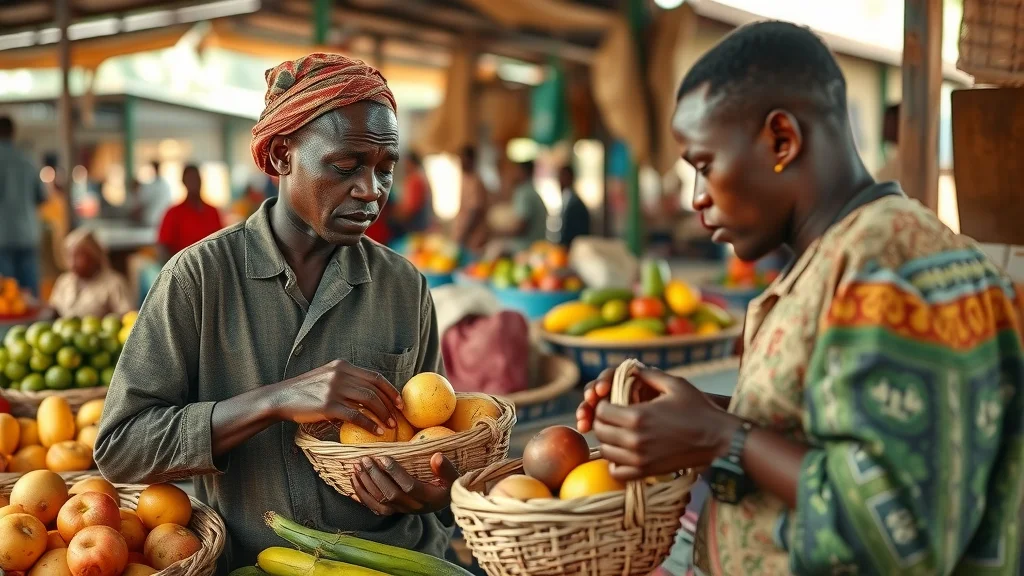
Despite Africa’s reputation as a powerhouse for fresh produce—from sun-ripened table grapes in the Western Cape to vibrant mangoes in West Africa—the majority of exporters face a staggering obstacle: lack of reliable cold chain infrastructure. In most major African exporting regions, especially in South Africa and its neighboring states, produce is often exposed to high temperatures during transit, waiting hours at ports, and storage before even boarding a ship or plane. South African fruit export potential, for example, is severely tested by bottlenecks in storage and refrigerated transport—key components of the chain logistics that define export success.
Consider a bustling Cape Express shipping terminal, where reefer cargo (refrigerated containers) is limited, leading to spoiled shipments and missed opportunities for export revenue. Smallholder farmers and large exporters alike struggle with basic cold chain facilities at the farm gate and during the journey to market access. The lack of chilled storage and interruption in cooled logistics services often force exporters to sell precious produce locally instead of reaching lucrative international buyers. This doesn’t just limit business out of South Africa—it diminishes the continent’s food security, weakens supply chains, slashes export competitiveness, and ultimately results in lost billions across the agricultural sector.
Why Cold Chain Systems Matter for Africa’s Fruit Export and Fresh Produce
Cold chain infrastructure is the temperature-controlled supply chain that safeguards perishable agricultural exports from the moment they’re picked in the field to the minute they arrive at overseas retailers. In South Africa and across the continent, lacking this vital system results in alarming rates of waste: fresh produce that is bruised, spoiled, or rejected by global buyers. Countries like the Netherlands or the United States maintain world-class cold chains, ensuring table grapes and other premium crops arrive crisp, market-ready, and profitable. For Africa, each gap between farm, port, and shipping company means lost market share, smaller reefer volumes, and reduced competitiveness.
When properly implemented, these cold chain logistics minimize risk, extend shelf life, and unlock new opportunities for market access, putting African farmers on the world export stage. Modern cold chain infrastructure is not a luxury—it is a necessity for agricultural export growth, especially as global standards for fresh produce tighten. Without massive investment and coordinated policy support, Africa’s fresh produce will continue to lag in export commercial performance despite its obvious potential.
| Region/Country | Cold Chain Coverage (%) | Average Post-Harvest Loss (%) | Reefer Volumes Capacity | Export Competitiveness |
|---|---|---|---|---|
| South Africa | 40-50 | 40 | Moderate (expanding) | Emerging Market Leader |
| West Africa | 10-15 | Up to 50 | Low | Limited |
| Netherlands | 95 | 5 | High | Global Leader |
| United States | 90 | 7 | Very High | Global Leader |
| China | 85 | 10 | Growing | Top Exporter |
What You’ll Learn in This Analysis of Cold Chain Infrastructure Africa Exports
- How cold chain infrastructure impacts fruit export and fresh produce preservation
- Key weaknesses in chain logistics affecting South African agricultural export potential
- Viable solutions and policy recommendations for improving cold chain infrastructure
Opinion: The Weak Link—Cold Chain Infrastructure Africa Exports as the Main Obstacle
“Nearly 50% of Africa’s fresh produce is lost post-harvest due to gaps in cold chain infrastructure.”
Understanding Chain Logistics in South Africa and Its Neighbours
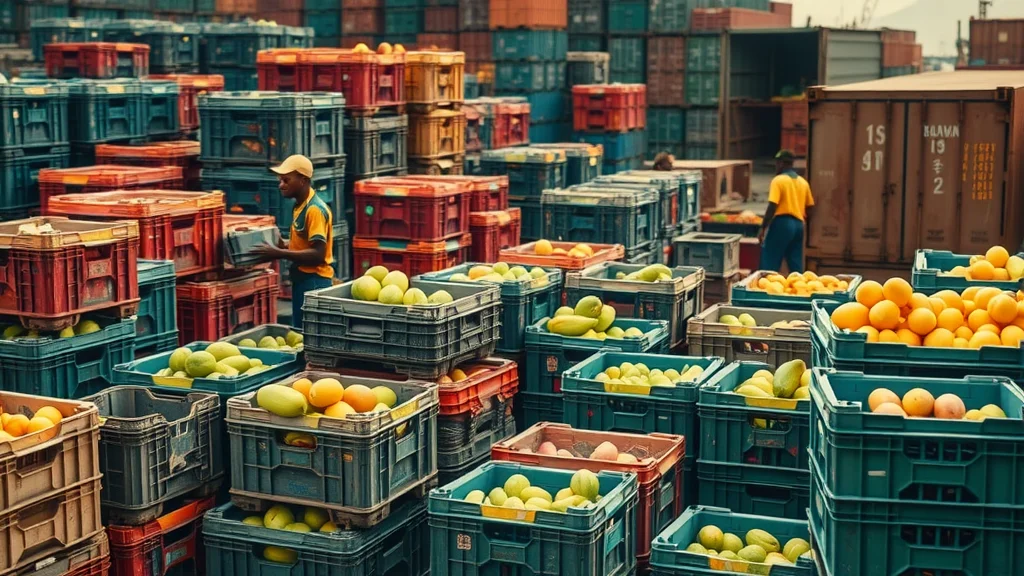
In the world of perishable exports, chain logistics define who wins and who loses. South Africa, blessed with world-renowned table grapes from the Western Cape and citrus from Limpopo, stands out for striving to modernize its cold chain network. Partnerships with shipping companies and investments in reefer cargo have allowed some progress. Yet, the story changes sharply when examining neighboring countries: West Africa and Southern Africa regions often contend with dilapidated port infrastructure, unreliable electricity, and minimal refrigerated transport options.
These gaps result in unpredictable delays, damage to export-quality fresh produce, and frequent bottlenecks for reefer volumes at major ports. For example, the much-needed Cape Express service is often unavailable to smaller exporters. As a result, more than half the food that could reach global markets never does. Solving cold chain breakdowns isn’t just a technical fix; it means building robust supply chain connections from farm gate to port, investing in regional collaboration, and fostering policy frameworks across borders.
The State of Cold Chain Infrastructure in South Africa: Case Study
South Africa is ahead of its neighbors, but gaps remain. With internationally competitive citrus and grape exports, the country has implemented world-class cold storage at major ports and improved logistics with sleek reefer trucks. Recent policy efforts have centralized export processes, boosted food security, and attracted foreign investors keen on the country’s fresh produce. Yet even here, frequent power outages (load shedding), traffic hold-ups, and periodic shortages of refrigerated containers threaten supply chain reliability.
Lessons from South African success stories show the way forward: government incentives for temperature-controlled facilities, collaboration with logistics firms, and digital tracking for real-time monitoring. These advances allow South Africa to compete with giants like the Netherlands and the United States, but scaling them across Africa is essential for continent-wide agricultural export success.
How Cold Chain Failures Limit Africa’s Agricultural Export Ambitions
- Loss of export-quality fresh produce
- Reduced competitiveness in global fruit export markets
- Frequent reefer volumes challenges at major ports
Africa’s broken cold chain means more than just spoiled fruit. Exporters often struggle to keep their produce market-ready from farm gate to final destination. Smaller volumes of export commercial shipments, coupled with difficulty accessing key port competitiveness features, mean the European and Asian markets (where shelf standards are strict) prefer to trade with countries like Chile or China. These gaps prevent African farmers from scaling up, discourage investments in food security and supply chains, and keep the continent at a disadvantage against global leaders.
In practical terms, every link in the cold chain that fails results in fresh produce that cannot be sold for export, denting foreign currency earnings and threatening rural livelihoods. The ongoing challenge with reefer cargo and limited supply chain coverage means Africa is missing out on billions in export revenue—a situation that demands urgent attention and coordinated policy responses.
Comparing Africa’s Cold Chain Logistics to International Standards
When we compare Africa’s cold chain infrastructure for exports with global best practices, the contrast is stark. International leaders such as the United States, Netherlands, and Chile operate expansive, digitally managed cold chain networks from field to port. Their ability to maintain optimal temperatures means consistent, high-quality fruit exports and low post-harvest losses. In Africa, however, old storage units, frequent power instability, and logistical hurdles lead to massive inefficiencies and higher costs for exporters.
According to recent benchmarking, Africa’s refrigerated container (reefer) availability lags well behind competitors. Even South Africa, the continent’s top performer, cannot match the reefer volume or transport speed of big players. Cold chain infrastructure gaps undercut Africa’s ability to meet rising global demand for table grapes, avocados, and citrus—a need projected to surge over the next decade, especially in Asian import markets.
| Country | Reefer Container Availability | Average Export Delivery Time (days) | Shelf Life Retention (%) |
|---|---|---|---|
| South Africa | Moderate | 14–21 | 60 |
| Netherlands | Very High | 7–10 | 90 |
| United States | Very High | 10–14 | 87 |
| Chile | High | 12–17 | 85 |
| China | High | 14–20 | 82 |
| West Africa (average) | Low | 21–30 | 50 |
Innovating Cold Chain Infrastructure Africa Exports: Opportunities for Growth
The future isn’t all bleak: Across Africa, new initiatives are pointing the way to a cold chain revolution. With mounting recognition from export councils, shipping company partnerships, and government ministries, momentum is building to transform African cold chain logistics. The potential to leapfrog old technology—through public-private collaborations and investments in digital traceability—is enormous. As South African reforms have shown, when stakeholders come together around shared objectives, rapid improvements in cold chain infrastructure and fruit export results are achievable.
From solar-powered cold rooms to mobile reefer trucks, and from digital crop management platforms to partnerships with international food distributors, Africa is on the cusp of a logistics transformation. Policy changes, improved rural electricity, and investment from the private sector will help bring temperature-controlled storage and efficient chain logistics to every corner of the continent. Each improvement brings more exportable fresh produce, stronger food security, and better incomes for farmers.
Public-Private Partnerships: Key to Advancing Fresh Produce Exports
Tackling the cold chain bottleneck requires more than government policy—it’s about true cooperation between public agencies, private companies, and even global supply chain leaders. South Africa offers an encouraging example. Strategic agreements with international logistics providers have resulted in newly built refrigerated hubs, expanded reefer cargo services at main ports, and major upgrades to inland infrastructure serving the farm gate. These interventions have helped South African citrus and grape producers reach new markets, outperform old port competitiveness standards, and achieve record export revenue.
Scaling such efforts across Africa involves blending local entrepreneurship (such as smallholder farmer co-ops) with large-scale commercial investment. Grant incentives, shared cold storage access, and collaborative training programs are just some of the approaches that can unlock the potential of fresh produce supply chains continent-wide.

Technology and Digitalization: Improving Cold Chain Infrastructure in South Africa
Harnessing new technology is pivotal for leapfrogging Africa’s cold chain limitations. In South Africa, real-time monitoring systems now track temperature integrity from field to port, minimizing the risk of spoilage during long hot journeys. Digitalization also means that farmers, government regulators, and even buyers in export markets can see where a shipment is and what condition it’s in at any time. Transparency and traceability—once far-fetched concepts for African agriculture—are redefining expectations and attracting new buyers.
Elsewhere in Africa, mobile apps deliver cold room locations, truck schedules, and produce quality control at the touch of a button. Solar-powered chilling solutions are expanding cold chain reach to remote rural areas where grid energy is unreliable. These technical fixes offer hope that even smallholder growers can enter high-value export markets, provided they receive support in adopting new tools and joining cold chain infrastructure networks.
People Also Ask: Cold Chain Infrastructure Africa Exports
What is cold chain infrastructure and why is it vital for agricultural export?
Cold chain infrastructure is a temperature-controlled supply system that maintains perishable goods, like fresh fruits and vegetables, at safe temperatures from harvest to overseas delivery. Without robust cold chains, produce spoils quickly, failing to meet international quality standards. For African agricultural export, a strong cold chain prevents wastage, ensures export competitiveness, and opens up access to lucrative foreign markets, boosting economic growth across the continent.
Answer: Cold chain infrastructure refers to the temperature-controlled supply chain necessary to keep perishable goods, like fresh produce, viable for export. Its absence often leads to high wastage rates, limiting Africa’s export potential.
How does inadequate cold chain infrastructure affect Africa’s fruit export competitiveness?
Weak or incomplete cold chain logistics mean more spoilage, lower-quality shipments, and frequent rejections in global marketplaces. This reduces the portion of fruits and vegetables eligible for export, weakens Africa’s reputation among international buyers, and allows other regions—like the United States or Chile—to capture a greater market share in the fresh produce trade. Improving cold chain infrastructure is essential to elevate Africa’s fruit export performance.
Answer: Gaps in cold chain logistics increase spoilage, lowering the percentage of fruits and vegetables eligible for export and reducing Africa’s market share in global fresh produce trade.
List: Leading Countries with Efficient Cold Chain Logistics
- Netherlands
- United States
- Chile
- South Africa (emerging)
- China
Quotes: Industry Experts on The Future of Cold Chain Infrastructure Africa Exports

“The value chain infrastructure for agricultural export is where Africa can leapfrog—if we prioritize investment and collaboration.”
“South African cold chain advancements are setting an example for the continent, yet regional gaps remain.”
Key Takeaways on Cold Chain Infrastructure Africa Exports
- Investment in cold chain systems is critical for unlocking Africa’s agricultural export growth
- Policy, public-private cooperation, and technology are the levers for change
FAQs on Cold Chain Infrastructure Africa Exports
What are the first steps to improving cold chain logistics for fruit export?
The foundation lies in upgrading rural and port facilities with basic refrigerated units, securing stable electricity, and training local farmers in best practices for handling perishables. Adopting digital tracking within chain logistics and forming partnerships with experienced shipping company operators can accelerate the process, leading to more consistent and higher-quality export shipments.
Are there successful cold chain models in Africa to replicate?
Yes, regions within South Africa, particularly the Western Cape, provide extremely effective cold chain models with centralized packing houses, modern reefer logistics, and digital supply chain tracking. Collaboration between government, commercial executives, and producers has helped these models thrive. Other countries or agribusinesses can replicate this integrated approach to expand export commercial capacity continent-wide.
How can smallholder farmers access better cold chain infrastructure?
Access is possible through participation in local co-operatives, shared-use cold storage, government and NGO grant programs, and public-private partnerships. By organizing at the community level and leveraging technology, smallholders can secure affordable logistics solutions and ensure their produce remains export-ready, ultimately improving rural livelihoods.
A Roadmap Forward: Transforming Cold Chain Infrastructure Africa Exports
Strategies for Government, Industry, and Farmers
Transforming cold chain infrastructure in Africa’s exports sector calls for a unified effort from all players. Governments must prioritize regulatory incentives, invest in rural electrification, and streamline port competitiveness processes for easier reefer cargo movement. The private sector should bring innovative storage and logistics technology to the table through investment and partnerships, while industry associations must foster network-building among commercial executives, farmers, and international buyers. Training, digitalization, and shared infrastructure projects at every supply chain step will help all participants—from large agribusiness to smallholder farmer—reach world-class standards in agricultural export.

Conclusion: Rethinking Africa’s Cold Chain Infrastructure for Agricultural Export Success
Unlocking Africa’s agricultural export growth means reimagining cold chain infrastructure from root to port. With investment, partnership, and technology, Africa can overcome its greatest export barrier—and feed the world.