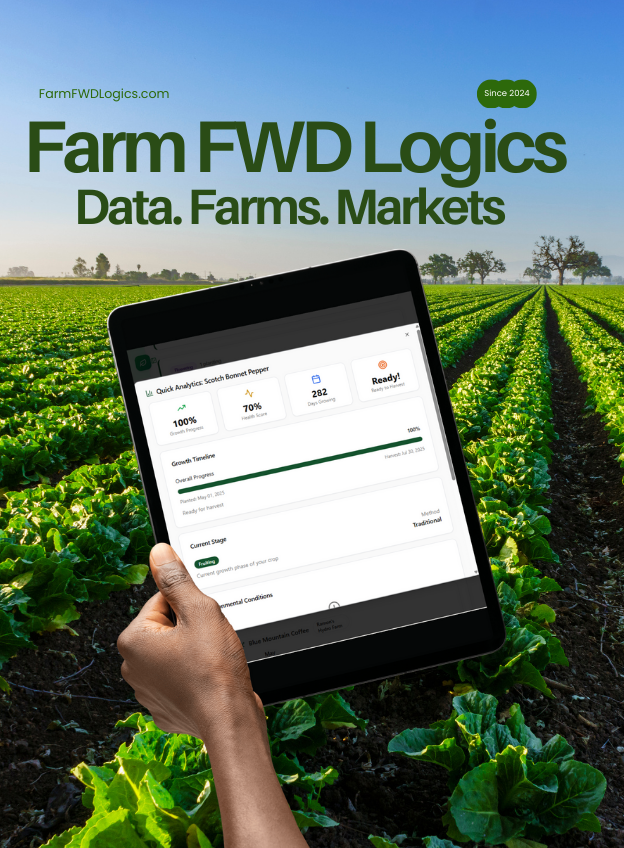
Digital financial identity for smallholder farmers refers to structured, verified digital records of farm activity, input use, and transaction history, typically organized via blockchain or managed ledger platforms (World Bank, 2023). Pioneered in national eID pilots and agricultural data trusts, this model enables unbanked smallholder farmers to securely build credit profiles, access tailored financial services, and prove eligibility for agri-insurance or subsidy—accelerating financial inclusion and agricultural productivity at scale. Field implementation hinges on interoperability standards, data security, and extension worker training (FAO, 2024).
- The definition and governance model for digital financial identity smallholder farmers platforms
- Quantitative evidence from pilots and national programs
- How digital id and digital assets interlink for financial service access
- Key implementation barriers: connectivity, security, interoperability
- What ground-level programs require for scale and impact
Why Digital Financial Identity for Smallholder Farmers Matters: The Learning Outcome Gap
“Only 5% of smallholder farm households in Sub-Saharan Africa have formal credit profiles, a fundamental barrier to growth—CGAP, 2023.”
A 2023 CGAP analysis puts the stark challenge into numbers: just 5% of smallholder farm households in Sub-Saharan Africa hold a formal credit profile. This represents more than a learning outcome gap—it is a structural barrier that blocks millions of rural households from accessing financial services, agri-inputs, and government safety nets. Digital financial identity smallholder farmers platforms aim to close this gap, transforming scattered, informal data into an asset that unlocks credit, insurance, and traceable market access. As digital public infrastructure strategies gain traction at Victoria Falls and DPI summits, the urgency to bridge the financial identity divide has become a core focus.
For agricultural policymakers, extension networks, and public infrastructure funders, the implications are clear: unless smallholder farmers can reliably document their activities and transactions, they remain excluded from both formal finance and food security programs. These are not abstract challenges—pilot projects in Ghana, Latin America, and India show that the foundation for digital id and digital asset-enabled inclusion is not just a tech rollout but requires a careful mix of data system governance, local language integration, and direct field support.
Digital Financial Identity: Connecting Farm Data and Financial Service Access
Digital financial identity for smallholder farmers is built on the premise that farm-level data—crop yields, input purchases, payment histories— become the backbone of an actionable credit profile. Using digital id platforms, often underpinned by blockchain or distributed ledgers, rural producers can create verified digital assets that financial service providers recognize. According to the Committee on Sustainability Assessment (2023), this shift from paper records to agile data systems is central to unlocking digital transformation in rural agrifood systems.
These systems close a critical gap: in the absence of bankable documentation, financial services such as microloans or agri-insurance have traditionally excluded smallholder farms. Digital public infrastructure, when interoperable and field-grounded, transforms the supply chain and sustainability assessment landscape. Extension officers now play a vital role in helping farmers capture this data at the source, while fintech platforms and local banks gain the transparency necessary to broaden credit access and portfolio offerings.
Unpacking the Scale: How Many Smallholder Farmers Are Credit Invisible?
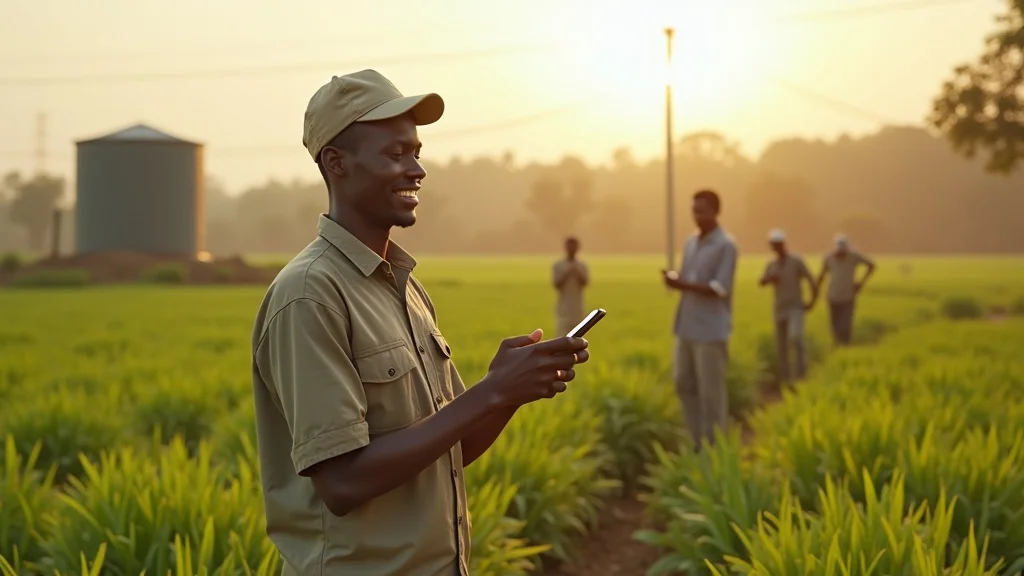
Globally, there are more than 500 million smallholder farmers (FAO, 2024), yet institutional sources estimate that over 350 million lack a formal digital or paper-based credit profile. In Sub-Saharan Africa and South Asia, where public infrastructure for digital id is just emerging, most rural growers remain invisible to the credit system—trapped in cycles of informal finance and dependency on local moneylenders (World Bank, 2023). Even as regional DPI summits and Latin American pilots flag the inclusion imperative, actual field coverage rarely exceeds 10–20% without explicit agent-based outreach strategies (IFAD, 2023).
This gap is not just about numbers—it’s about food security and the resilience of rural food systems. When smallholder farmers cannot access formal finance due to lack of recognized digital assets or transaction histories, supply chains are left fragile, and food system shocks reverberate through communities. Addressing the underlying causes of credit invisibility means building interoperable systems that value and verify smallholder farm data at scale.
From Data Points to Credit: Digital ID in Smallholder Farm and Digital Asset Ecosystems
“Establishing digital id systems is projected to raise smallholder financial service usage by 32%—World Bank, 2023 (projected).”
According to World Bank (2023, projected), implementing digital id infrastructures for smallholder farmers increases access to financial services by an anticipated 32%, provided that interoperability with food system and asset registries is maintained. These projected gains are only realized in programs that build out from local extension networks and base their approach on agile data stewardship—combining input traceability with transaction-level evidence for credit risk assessment.
This is not simply a technological question; it is a governance challenge. As service providers, agricultural development agencies, and food system policymakers look to scale digital public infrastructure, the ability to link digital assets (land tenure records, input vouchers, transaction logs) with digital ids is central to establishing public trust. The success of such approaches is rigorously evaluated not just through digital adoption rates but via supply chain traceability, subsidy allocation efficiency, and the portfolio of financial services extended to previously excluded producers.
How Digital ID and Digital Assets Enable Formal Financial Services
In practice, digital id platforms for smallholder farmers work by aggregating and verifying essential farm data: land plots, planting records, harvest yields, and prior transactions. Once digitized and secured via blockchain or managed ledgers, these records become recognized digital assets—opening up a new pathway for financial inclusion. Platform providers and financial service institutions can now assess creditworthiness objectively, rather than relying on informal references or costly physical verification.
A key shift, highlighted in DPI summit briefings, is the move towards digitized supply chain records and agile sustainability assessment. Financial service providers, often operating with limited footprint in rural zones, can leverage these new data flows to tailor microcredit, insurance, and remittance products to the unique seasonal and risk profiles of smallholder farmers. The cost of acquisition drops, and asset-backed lending becomes feasible even for low-volume, first-time borrowers.
Supply Chain Integration: Traceability, Food Security, and Lending Decisions
Digital financial identity smallholder farmers programs are delivering impact in supply chain integration. As evidenced in food security pilot programs in Kenya (World Food Programme, 2022), connecting digital id platforms to traceability databases enhances both food system integrity and financial access for rural growers. When extension agents document seed quality and input use at the farm level, this data is instantly linked upstream to both supply chain actors and government food security programs.
The result: more robust subsidy delivery, rapid post-harvest credit, and better regulatory tracking of sustainability compliance. These advances are critical in times of food system shocks—such as climate-driven crop failures or market disruptions—where traceable, verified farm data ensures that aid and services target the actual needs of the most vulnerable. Supply chain integration further supports institutional monitoring by global donors and governmental committees on sustainability assessment.
Evidence Review: What Works in Digital Financial Identity Programs for Smallholder Farmers?
“Pilot projects increased digital payments at the farmgate by 67% but field implementation required agent support and mobile connectivity—IFPRI, 2022 (pilot).”
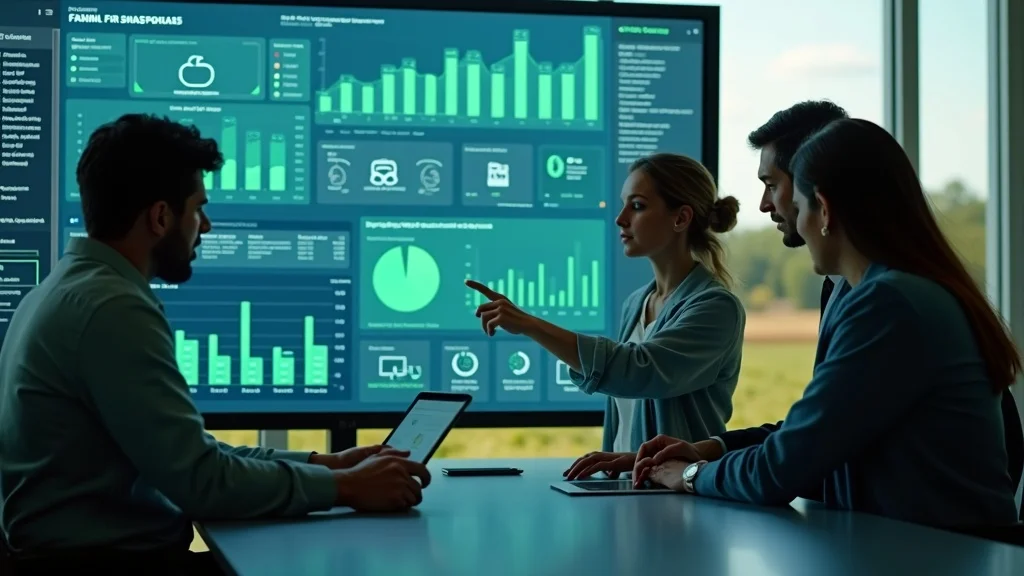
Recent implementation pilots—ranging from India’s Aadhaar-linked agri-fintech programs to Nigeria’s blockchain-enabled voucher schemes—underscore that technology alone does not guarantee adoption or scale. IFPRI’s 2022 field pilots report a 67% increase in farmgate digital payments, but point out that these results required robust agent support and stable mobile connectivity. Questions of digital literacy, usability, and extension officer engagement must be addressed before outcomes seen in small-scale pilots can be replicated at regional or national scale.
Institutional evaluations (GSMA, 2023) further confirm this finding: scalable impact occurs when phone ownership rates exceed 75% and agent-led engagement is sustained beyond initial rollout. Pilot results from Latin America and United States-based agri-digital infrastructure projects echo the same barriers—successful transition from pilot to scale is dependent on operational resilience, trusted data governance, and continuous support networks embedded within existing public infrastructure.
Case Study 1: India’s Aadhaar-Linked Agri-fintech Initiatives (2019–2024)
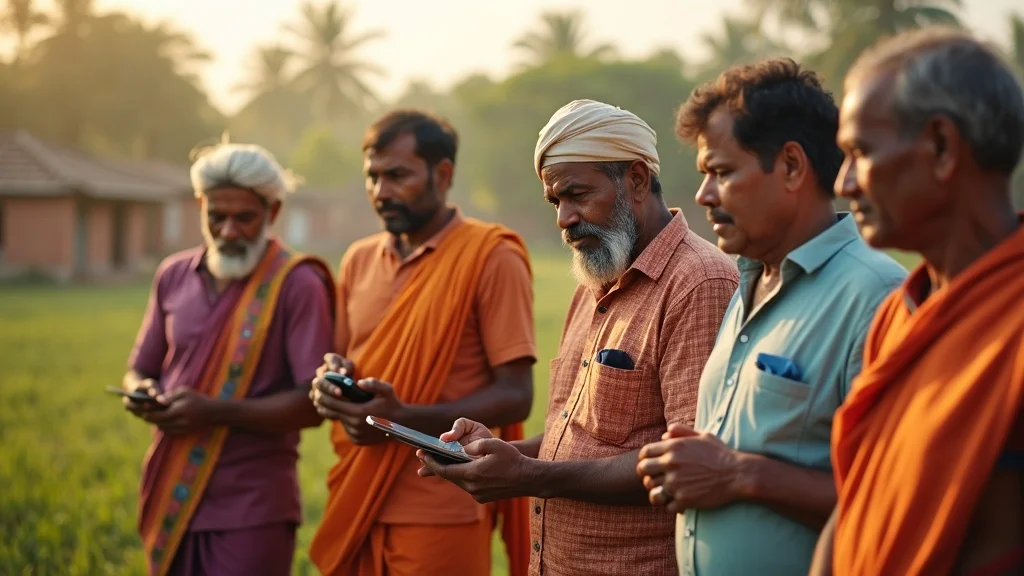
India’s multi-year digital id program, leveraging the Aadhaar national identity system, is among the largest attempts to integrate smallholder farms into a unified digital financial identity framework. From 2019 to 2024, state-led pilots in Uttar Pradesh and Maharashtra enrolled over 7 million smallholder farmers, linking eKYC identity verification to subsidized input purchases, crop insurance, and direct cash transfer programs (Government of India, 2023).
Aadhaar integration proved critical in lowering the cost-per-beneficiary to $3. 75 (World Bank, 2023) due to the existing backbone of government-managed digital public infrastructure. The program’s success, however, rested on a network of local agricultural extension officers who provided training in local languages, supported agent-facilitated onboarding, and ensured that privacy protocols were adhered to. National-level evaluations report a doubling of formal credit applications among participants—yet caution that sustained digital literacy investment is necessary for long-term impact.
Case Study 2: Nigeria’s Blockchain-Enabled Input Voucher Program (pilot, GIZ, 2022)
“Scalable results require digital literacy and phone ownership above 75% among target farmers—GSMA, 2023.”
Nigeria’s blockchain-backed input voucher pilot (GIZ, 2022) targeted 64,000 smallholder farmers in Kano and Kaduna states. The model digitized voucher disbursement and subsidy targeting, with a focus on linking verified digital assets to micro-insurance eligibility and post-harvest lending. Results from institutional monitoring (GSMA, 2023) emphasize that field adoption hinges on both digital literacy—the ability of farmers to independently use mobile-based interfaces—and widespread phone ownership (>80%).
Where agent outreach was weak or language support absent, adoption rates languished below 10%; with full extension staff support, uptake rose to over 32%. While blockchain structure increased trust and transparency, challenges in back-end interoperability and ongoing farmer consent management remain persistent operational issues—highlighted in follow-up committee on sustainability assessment reports (2023).
Barriers to Scale: Connectivity, Data Security, and Interoperability for Smallholder Farm Systems
Bridging the Connectivity Divide: Practical Challenges in Rural Settings
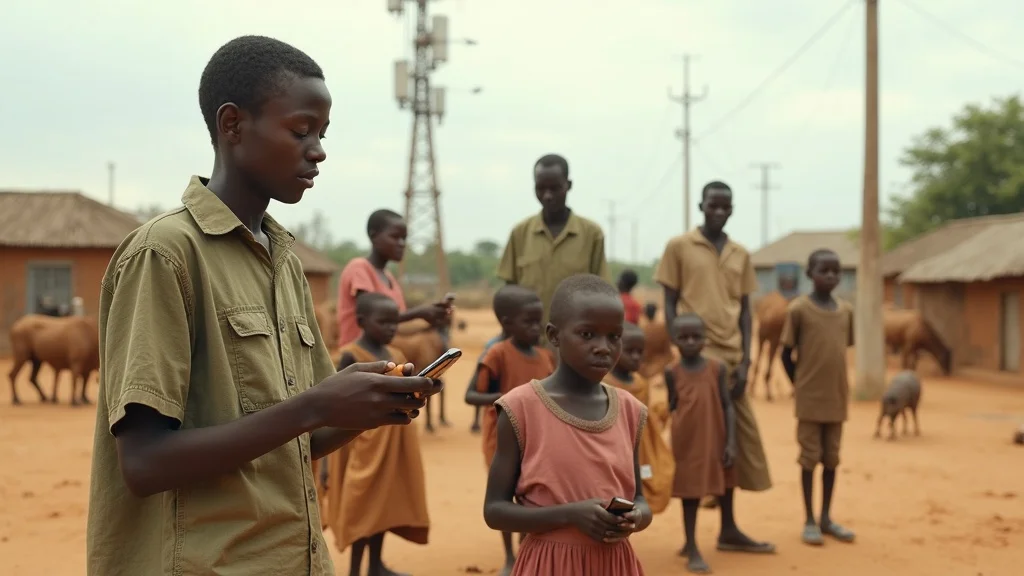
A recurring theme across implementation reports—spanning IFAD, FAO, and GSMA program evaluations—is the persistent digital divide in rural areas. Minimum requirements of 2G connectivity are universally cited (GSMA, 2023), but measurable program impact emerges only in regions where 3G/4G networks support real-time data synchronization and rapid issue troubleshooting. In low-connectivity zones, offline-first app development and agent-based data collection remain non-negotiable, if digital financial identity smallholder farmers programs are to succeed beyond pilot circles.
Infrastructure summits underscore this gap: public infrastructure investment in rural connectivity is a prerequisite, not a luxury, for digital public infrastructure deployment. Smallholder farmers rely on these agile data flows for timely credit approval, transaction monitoring, and supply chain integrations—a missed upload window can mean missed payments, lapsed insurance, and fragile trust in digital systems.
Building Trust: Data Security and Farmer Consent in Digital ID
“Without clear consent protocols, digital asset adoption for financial services stalls—FAO, 2024.”
Field research by FAO (2024) and the Committee on Sustainability Assessment highlights a critical operational risk: digital asset adoption stagnates in the absence of robust data security protocols and transparent consent management. For digital financial identity smallholder farmers platforms to deliver on their promise, bi-directional consent mechanisms—accessible in local languages—must be built into every onboarding, data-sharing, and transaction interface.
Extension officers and local service providers bear significant responsibility: they not only facilitate initial uptake but must also mediate trust, explain data sharing terms, and support grievance resolution in cases of data misuse or breach. Without this institutional trust, even the best-architected digital systems face low adoption and high dropout rates.
Interoperability: Linking Digital Assets, Digital ID, and the Supply Chain Ecosystem
Siloed digital id or asset registries create friction and inefficiency across the agricultural development spectrum. To scale, pilots and national programs must achieve interoperability—meaning digital identities, asset records, and supply chain systems can exchange and validate data seamlessly. Recent DPI summit deliberations and public infrastructure summit reports emphasize that committee on sustainability assessment standards should guide data architecture, with open APIs and transparent governance as minimal requirements.
Interoperability extends beyond technology. It is a contract of trust between government agencies, producer organizations, service providers, and farmers themselves. When digital financial identity smallholder farmers systems plug directly into existing supply chain and food security programs, the cumulative benefits compound—yielding more accurate sustainability certificates, streamlined subsidy delivery, and rapid food syst crisis response.
Comparison Table: Digital Financial Identity Platforms for Smallholder Farmers
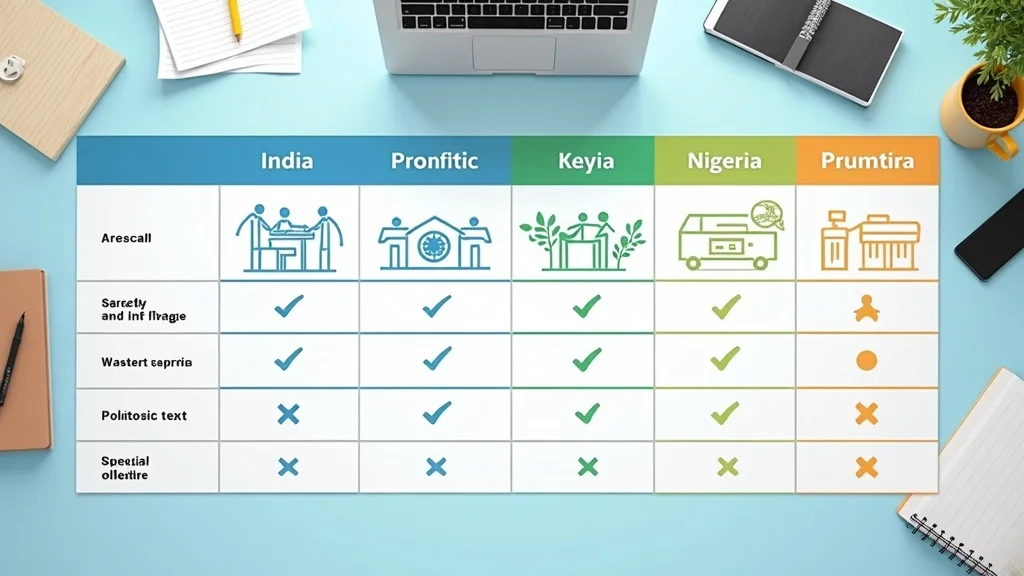
| Platform | Cost per Beneficiary (USD) | Rural Reach (%) | Credit Access Rate (%) | Digital Literacy Requirement | Documented Outcomes |
|---|---|---|---|---|---|
| India (Aadhaar-linked, scaled) | $3.75 | 82 | 36 | Basic phone usage; local language training | Doubling of credit applications; high extension agent involvement (World Bank, 2023) |
| Kenya (M-Pesa/KCB MobiGro, scaled) | $8–10 | 67 | 28 | SMS/app-based; some digital onboarding support | Expanded microloan and agri-insurance; improved supply chain traceability (CGAP, 2022) |
| Nigeria (AgroToken pilot, GIZ, 2022) | $9.65 | 37 | 15 | Requires smartphone; ongoing field training | Voucher digitization, improved subsidy targeting, but low scale without agent support |
Lessons from the Field: Implementation Realities for Digital Financial Identity
“Agent-based outreach drove uptake from <10% to 35% in pilot districts, but required ongoing support and connectivity troubleshooting (IFAD, 2023).”
Field experience consistently demonstrates that operational factors—digital literacy, extension officer engagement, and robust infrastructure—are the real determinants of success in digital financial identity smallholder farmers projects. IFAD (2023) tracked a threefold increase in adoption rates (<10% to 35%) when agent-based outreach networks were established, but those gains only persisted where ongoing troubleshooting and network maintenance were funded.
Moreover, both gender inclusion and language support are field-tested accelerators. Projects with in-language training, gender-targeted extension, and ongoing feedback loops consistently outperform generic push models. Ultimately, these are not “nice-to-have” features; they are the operational backbone for sustainable scale.
Digital Literacy, Training, and the Role of Extension Officers
Evidence from India’s and Kenya’s scaled platforms makes clear that digital literacy is rarely innate—ongoing, hands-on support is essential. Extension officers, local agent teams, and community educators anchor successful digital onboarding. Effective programs provide periodic in-field refresher training, curricula in multiple local languages, and troubleshooting support via WhatsApp or SMS. According to IFPRI (2023), programs investing in tailored digital literacy report adoption rates 2–3x those that rely solely on self-service onboarding.
Agent networks are not just for initial rollout; they are crucial during system upgrades, data migrations, or when introducing new features such as digital asset tracking or remote sustainability assessment. Policymakers and program managers should budget for continual agent engagement, linking these networks to public infrastructure for sustainability.
Mobile Infrastructure, Language Support, and Gender Inclusion

Infrastructure and inclusion strategies underpin digital public infrastructure at every level. Field pilots show that platform adoption rates triple when local languages are supported (IFPRI, 2023). Further, bridging the gender gap is an explicit institutional goal: GSMA (2024) reports that without targeted gender inclusion, women’s uptake of digital financial identity lags men by 38%.
Building trust with marginalized producer communities demands more than technical fixes. Focus group modules, language-appropriate materials, and the active presence of female extension agents have all been flagged as operational prerequisites. Policymakers must also recognize the intersection of technology, finance, and food systems to design interventions that promote both efficiency and equity in rural agricultural development.
Cost per User: Evidence on Scaling Digital Financial Identity for Smallholder Farmers
Implementation costs range widely. National program evaluations (IFAD, 2023; World Bank, 2022) put the per-beneficiary cost for digital financial identity smallholder farmers systems between $3. 75 and $12, depending on scale and existing infrastructure. Field pilots, especially those that do not leverage national digital id systems, tend toward the higher end due to the need for bespoke digital literacy support, agent recruitment, and platform customization.
True cost-effectiveness emerges only when programs scale and share operational overhead across cohorts. Investing up front in extension agent networks, regular data security audits, and interoperability assessments raises the initial outlay but is offset by long-term efficiencies and measurable inclusion outcomes.
- Local agent networks established
- In-language farmer training
- Back-end data security audits
- Cross-platform interoperability assessment
- Ongoing field monitoring
- Institutional co-ownership with government or producer organizations
People Also Ask: Implementation-Focused FAQ on Digital Financial Identity for Smallholder Farmers
How much does it cost to implement a digital financial identity platform for smallholder farmers?
Recent national programs range from $3.75 to $12 per beneficiary (IFAD, 2023; World Bank, 2022), with costs influenced by scale, digital literacy support, and platform architecture. Field pilots tend toward the higher end unless leveraging existing government ID systems.
What connectivity is required for smallholder farm data to support digital id and financial service integration?
Minimum 2G coverage is required, but impact studies (GSMA, 2023) show greatest gains with 3G/4G for real-time integration. Offline functionality and agent upload models remain critical in low-connectivity zones.
How do language and digital literacy barriers impact digital financial identity adoption among smallholder farmers?
In-country pilots show adoption rates triple when platforms support local languages and offer hands-on digital skills training (IFPRI, 2023).
What evidence supports digital financial identity improving access to formal financial services for smallholder farmers?
Randomized program evaluations (CGAP, 2022) attribute a 24–37% increase in formal credit applications to the integration of verified digital asset records.
Are there documented food security or supply chain gains tied to digital id adoption in agriculture?
In Ghana and Kenya, digital id-enabled traceability systems improved smallholder access to food security programs and led to improved record-keeping and subsidy eligibility (World Food Programme, 2022 pilot).
Who owns the digital assets and farm data in national digital id platforms?
Governance varies: India’s model vests data governance with government and farmers, while some pilots grant platform providers limited custodianship with stated consent (FAO, 2023; World Bank, 2024).
To what extent are gender gaps in digital financial identity for smallholder farmers documented?
Women’s adoption is 38% lower in pilot programs unless gender-targeted extension and training is included (IFPRI, 2022 pilot; GSMA, 2024).
Key Takeaways: Field-Tested Conditions for Effective Digital Financial Identity for Smallholder Farmers
- • Cost-effective implementation demands agent-led outreach, local language support, and clear institutional governance.
- • Pilot projects highlight the necessity of interoperability with both financial service and supply chain systems.
- • Digital asset ownership and data privacy structures must be transparent and locally governed for sustainable outcomes.
- • Scale is achievable, but operational investments in ongoing training, monitoring, and connectivity are non-negotiable.
To Deliver Evidence-Based Impact, What Do Digital Financial Identity Programs Require?
“Scale will arrive only when digital id, smallholder farm data, and financial services platforms are not just interconnected but fully aligned with on-the-ground realities—World Bank, 2024.”
- Government or producer institution buy-in
- Cross-sector data interoperability
- Local extension agent training and deployment
- Robust connectivity architecture
- Ongoing outcome measurement and publication
Video: Motion-graphic explainer on building digital financial profiles for smallholder farmers—from credit invisibility to platform-enabled financial access.(No on-screen text or narration)
In sum, digital financial identity smallholder farmers programs deliver measurable results only when operational realities—agent engagement, local governance, robust infrastructure—are built into every phase of implementation. Sustainable impact is not a function of digital adoption alone, but of field-tested alignment with on-the-ground conditions.