Digitally-enabled supply chain traceability could add over $50 billion in value to the food industry by 2030 — yet over 80% of global food supply chains remain analog. With headlines buzzing and investment dollars pouring in, it begs the question: Is blockchain in the agriculture supply chain more than just a buzzword? As an emerging global AgTech intelligence platform, it is my responsibility to separate actionable insight from mere tech evangelism. This article investigates the real-world outlook for blockchain in food systems, weighing fact versus fiction and clarifying who truly stands to benefit.

A Startling Look at Blockchain Agriculture Supply Chain: Fact Versus Fiction
“Digitally-enabled supply chain traceability could add over $50 billion in value to the food industry by 2030 — yet over 80% of global food supply chains remain analog.”
The blockchain agriculture supply chain sits at the intersection of promise and skepticism. Proponents claim blockchain technology will overhaul how food moves from farm to fork, promising tamper-proof records, food safety assurance, and enhanced transparency. However, behind the hype, the data reveals a more nuanced reality. Most food supply chains remain paper-based or rely on siloed digital systems, making true chain traceability rare.
Despite impressive pilots and partnerships, adoption remains limited for smaller producers and fragmented supply networks. Beyond shiny tech demos, blockchain faces hurdles in cost, user training, and digital infrastructure gaps, particularly in rural settings. Yet supply chain traceability, powered by blockchain tech, remains a coveted goal for food industry leaders facing stricter regulations, growing food safety demands, and the lucrative carbon credit market. The evidence is clear: the excitement around blockchain in agriculture is justified, but the opportunity depends on how well technology integrates with economic realities and human factors.
What You’ll Learn: In-Depth Perspectives on Blockchain Agriculture Supply Chain
-
The core foundations of blockchain technology in agriculture
-
How blockchain impacts supply chain traceability and food safety
-
Critical economic, environmental, and credibility challenges
-
Distinguishing between realistic and exaggerated claims
-
What real-world data and expert opinion reveal about blockchain in agriculture
Why Blockchain Agriculture Supply Chain Is Grabbing Headlines
Rising Interest in Blockchain Tech and the Global Food Supply Chain
“Every step of the food supply chain — from seed to supermarket — is under scrutiny as trust and traceability become non-negotiable.”
The global food system is at a turning point. Recurring food safety scandals, mounting recalls, and environmental degradation have pressed both regulators and consumers to demand chain traceability and transparency at every juncture of the food supply chain. Blockchain technology, known for its decentralized, immutable ledgers, is emerging as a frontrunner in the technological arms race to address these needs. Major multinationals and innovative agri-tech startups are racing to pilot blockchain solutions, attracted by the promise of real-time data sharing, smart contracts to automate compliance, and auditable records to reassure retailers and end consumers alike.
Beyond food safety, sustainability and carbon credit adherence are pushing digitization to the forefront. Yet the excitement is not without reason: effective supply chain management and blockchain adoption can translate into measurable value for resource management, food waste reduction, and greater resilience in food systems. The challenge? Turning top-down digital transformation into bottom-up, inclusive progress—not merely a surface fix, but a step toward rebuilding trust in a global supply network clouded by opacity.
Unpacking Blockchain Technology for Agriculture Supply Chains
What Is Blockchain Technology and How Does It Fit Agricultural Food Supply Chains?
-
Defining distributed ledgers for food systems
-
Chain traceability and its critical role
-
Smart contract use cases in agriculture
-
Examples of current blockchain tech in supply chains
In its simplest form, blockchain technology offers a distributed, tamper-proof ledger where each transaction is timestamped, public to network participants, and nearly impossible to retroactively alter. In the context of the food industry, this allows for transparent recording of every transfer of custody—for example, from a farmer to a cooperative, to a processor, to a distributor, and ultimately to a retailer.
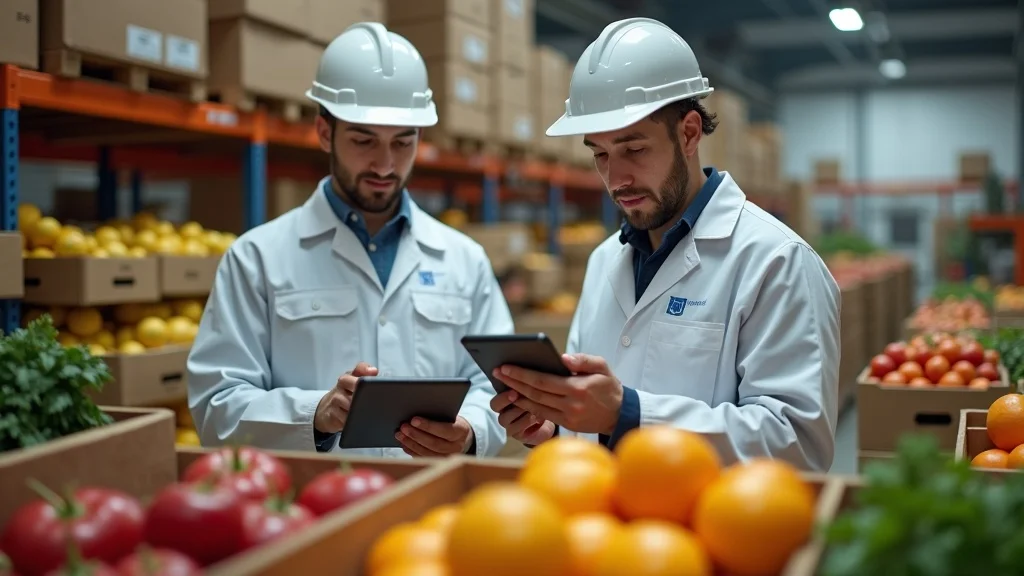
The significance of this chain traceability lies in the way it underpins food safety protocols, audits for carbon credit compliance, and the reduction of food fraud. Smart contracts—self-executing code stored on the blockchain—can automate tasks like payment upon verified produce delivery or monitoring adherence to sustainability certifications. Companies like IBM Food Trust, Provenance, and Bext360 have rolled out such solutions on a global scale. However, while pilot case studies abound, integration with legacy systems and the diversity of data standards across food supply chains presents significant operational challenges.
| Comparison of Traditional vs. Blockchain Agriculture Supply Chain Systems | ||
| Feature | Traditional System | Blockchain-Based System |
|---|---|---|
| Data Recording | Paper-based/manual, siloed digital | Immutable, decentralized digital ledger |
| Traceability | Limited, risk of tampering | End-to-end transparency, chain traceability |
| Food Safety Response | Delayed recalls, slow source tracking | Rapid recall, instant contamination tracking |
| Compliance / Auditing | Manual, error-prone | Automated, precise with smart contracts |
| Adoption Barriers | Low cost, high labor | High initial cost, digital skills required |
Key Benefits of Blockchain Agriculture Supply Chain Solutions
Elevating Food Safety and Transparency in Food Supply Chains
-
Rapid recall and contamination tracking
-
Enhanced consumer trust in food systems
-
Reduced fraud in food supply chain networks
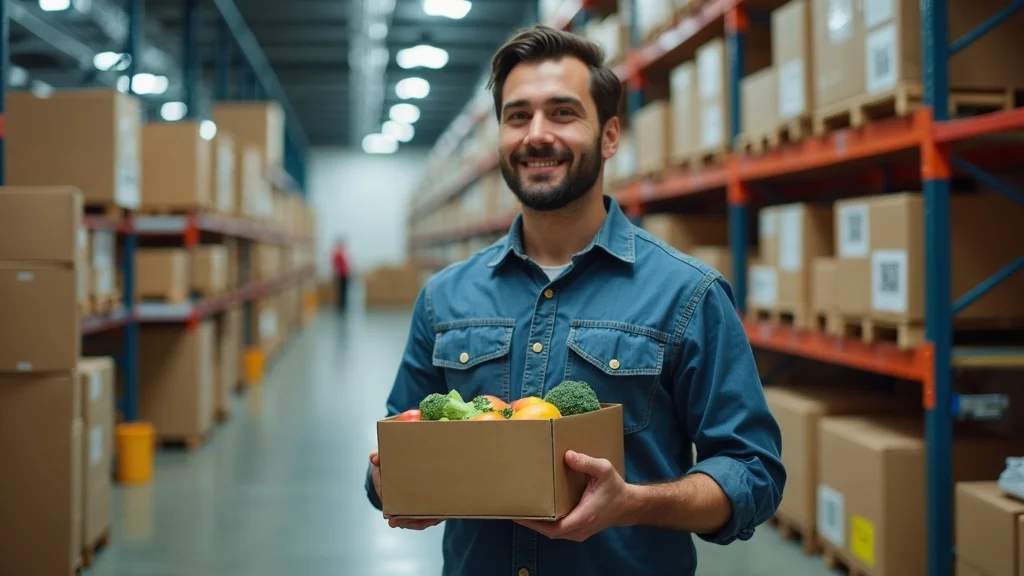
Perhaps the strongest argument for blockchain agriculture supply chain adoption is its radical impact on food safety and transparency. Foodborne illness outbreaks can devastate entire industries and erode public trust. With blockchain, each step of the produce journey is recorded in real time—if contamination occurs, batch origins can be identified in seconds. This minimizes food waste during recalls and enables targeted, data-driven interventions rather than blanket removals.
The technology also deters fraud in the food system, which is often fueled by paper records that are easy to falsify. Consumers increasingly demand to know where and how their food was produced; blockchain-based solutions offer reassurance through verified, auditable provenance—especially vital in premium and organic markets. As more nations mandate food supply chain transparency and enact stricter export regulations, blockchain technology is more than an upgrade: it’s fast becoming a regulatory necessity for global food systems.
Streamlining Supply Chain Traceability for Carbon Credits and Sustainability
-
Monitoring carbon credit adherence in sustainable development
-
Delivering traceable proof for eco-conscious markets
“Supply chain traceability isn’t just a tech buzzword—it’s now a requirement for regulatory compliance and export markets.”
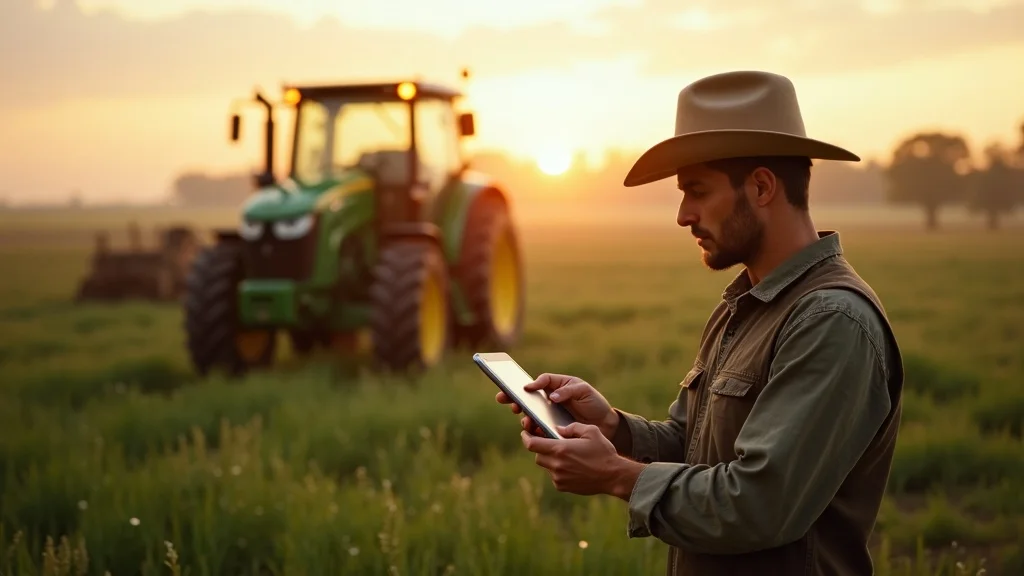
As sustainable development drives public policy and private strategy, carbon credit markets are gaining traction in agriculture. Blockchain tech offers unparalleled audit trails to verify carbon sequestration, water conservation, and chemical use reduction, enabling farmers to monetize practices that protect natural resources. For food brands that prioritize environmental stewardship, being able to verify sustainable claims through an unchangeable blockchain record is a powerful marketplace differentiator.
In a world where eco-certifications can boost exports or unlock subsidies, the value of blockchain-enabled supply chain traceability extends well beyond compliance. It enables companies and smallholders alike to position themselves in the growing eco-conscious segment of the food industry, supporting global sustainable development goals and aligning with standards set by entities like the United Nations.
Economic Realities: Cost, Complexity, and Barriers of Blockchain Agriculture Supply Chain
Investment, ROI, and Operational Challenges in Blockchain Tech
-
High initial setup costs with blockchain technology
-
Limited digital infrastructure in rural farming sectors
-
Resistance from established players in supply chains
Technology is only as practical as its economics. Blockchain agriculture supply chain solutions require significant investment in hardware, connectivity, and worker training. For smallholder farmers and under-resourced cooperatives, these costs can exceed potential gains from improved supply chain management. The gap between technology-rich multinationals and small-scale producers persists, especially in countries with lagging digital infrastructure.
Furthermore, entrenched industry players may view radical transparency as a threat to competitive secrecy or existing power structures, compounding resistance to adoption. Returns on investment often depend on volume, crop value, market visibility, and regulatory context—factors that vary dramatically from region to region. Large-scale pilot programs thrive in the United States and Europe, but widespread blockchain adoption in Asia, Africa, and Latin America faces significant headwinds without targeted government or donor support.

Data Security, Interoperability, and the Human Factor
-
Data privacy constraints in food industry adoption
-
Interoperability between blockchain systems
-
Training and trust concerns for supply chain workers
With any technology that transforms data, concerns about security and privacy are paramount. Blockchain’s promise of immutability is an advantage, but does not solve for the quality of input—so-called garbage in, garbage out. If data is misstated at the farm gate (whether by accident or intent), blockchain technology merely locks in error. Secure, user-friendly interfaces and ongoing worker training are crucial to ensuring honest and consistent data collection.
Interoperability also remains a stubborn challenge. Food supply chains span continents and cultures; no single blockchain standard has emerged, leading to fragmented digital islands that often cannot “talk” to competing platforms. Solutions that integrate legacy systems, emerging internet of things (IoT) devices, and advanced analytics like artificial intelligence offer a way forward, but require ongoing investment and consensus among supply chain actors. The human element—trust, change management, and incentive alignment—should not be underestimated.
Hype Versus Reality: Are Blockchain Agriculture Supply Chain Success Stories Replicable?
Case Studies: United States, Asia, and Emerging Markets
The jury is still out on the scalability of early blockchain success stories in agriculture. In the United States, major retailers like Walmart—working with IBM Food Trust—have demonstrated reduced trace-back times from days to seconds on produce like leafy greens. In Southeast Asia, startups such as TE-FOOD have digitized millions of livestock records to combat food fraud. Meanwhile, companies like GrainChain and Bext360 tackle commodities in Latin America and Africa, proving the tech’s potential in diverse food systems.
But these are, at their core, case studies, often subsidized by corporations or international NGOs rather than self-sustaining business transformations. For each success, there are numerous pilots that fail to scale due to cost, digital literacy gaps, or mismatches in suppy network incentives. Blockchains operate best in well-regulated, high-value supply chains—unregulated or subsistence markets often lack the infrastructure or profit margins needed for sustained blockchain adoption.
| Impact Matrix: Blockchain in Diverse Food Supply Systems | |||
| Region | Market Context | Blockchain Use | Impact Realized |
|---|---|---|---|
| United States | Large retailers, high-value crops | IBM Food Trust, GrainChain | Improved recall speed, retailer trust |
| Asia (SE) | Poultry/livestock, food fraud risk | TE-FOOD | Anti-fraud successes, mixed scalability |
| Latin America | Commodities, export driven | GrainChain | Commodity traceability, variable ROI |
| Africa | Smallholder, low infrastructure | Pilots, NGOs | Low scale, adoption bottlenecks |
Where Blockchain Agriculture Supply Chain Falls Short
-
Lack of proven ROI for smallholder farmers
-
Dependency on honest data input—”garbage in, garbage out”
-
Industry fragmentation and regulatory gaps
For every retail giant touting blockchain’s value, there are dozens of smallholders for whom adoption remains out of reach. A significant portion of global food supply chains operate in fragmented markets—data standards are inconsistent, compliance is poorly enforced, and infrastructure for digital traceability is often missing. Even when blockchains are deployed, their success is heavily dependent on the quality and honesty of data input at every node.
Regulators in many nations—outside a few pioneering regions—have yet to standardize blockchain adoption, leaving the food industry to navigate a patchwork of requirements and compliance environments. For tech to truly fulfill the hype, there must be concerted investment in skills development, interoperability, and infrastructure, paired with incentives to ensure smallholder benefit. Blockchain is only as strong as its weakest link; until fragmentation and regulatory ambiguity are resolved, mass transformation will lag.

Key Takeaways: Tangible Opportunities vs. Market Hype
-
Verified traceability offers tangible value but not for all players
-
Cost-to-benefit ratio highly market, region, and crop dependent
-
New business models emerging, yet mass adoption remains elusive
Blockchain agriculture supply chain solutions can transform food safety and boost traceability, but not every supply chain is set to benefit equally. Real-world impact depends on context—and only those who invest in the right blend of technology, governance, and training will see the full return. The greatest opportunities may well be ahead, provided the industry can close the digital divide and foster inclusive, standards-driven innovation.
People Also Ask about Blockchain Agriculture Supply Chain
How can blockchain improve transparency in the agriculture supply chain?
Comprehensive answer: Blockchain agriculture supply chain solutions enhance transparency by providing immutable, time-stamped records for every transaction. This fosters complete chain traceability and enables precise food safety management.
Is blockchain technology cost-effective for small farms and food supply chains?
Insightful answer: While blockchain technology offers efficiency, high setup costs and limited rural connectivity hinder accessibility for small-scale producers within food supply chains.
What role do smart contracts play in blockchain agriculture supply chains?
Clear answer: Smart contracts automate transactions and ensure compliance throughout the agriculture supply chain, offering reduced manual error and speeding up food supply chain payments.
How is blockchain used to verify carbon credit and sustainability claims?
Detailed answer: Blockchain-based records validate carbon credit data and sustainability metrics, supporting sustainable development and compliance in global supply chains.
Dynamic animation showing the journey of produce from farms to stores, highlighting key data points recorded on blockchain at each stage and emphasizing traceability, safety, and real-time verification in a modern, accessible style.
Expert Opinions: Cautionary Insights on Blockchain Tech in Food Systems
“There is no silver bullet in food supply chains; blockchain is a tool, not a cure-all. Economic context is critical.” — Global AgTech Thought Leader
Top List: 7 Blockchain Agriculture Supply Chain Initiatives to Watch
-
IBM Food Trust (North America)
-
Provenance (Europe)
-
AgriDigital (Oceania)
-
TE-FOOD (Southeast Asia)
-
Bext360 (Global commodities)
-
GrainChain (Latin America & US)
-
Ripe.io (Specialty crops, US)
FAQs: Clearing Up Blockchain Agriculture Supply Chain Myths
Does blockchain agriculture supply chain guarantee food safety?
No, blockchain agriculture supply chain systems dramatically improve transparency and traceability, which can accelerate food safety recalls—however, they cannot guarantee product safety if input data is incorrect or misreported.
Are there global standards in blockchain agriculture supply chains?
The industry is moving toward shared guidelines, but as of now, there are no universally enforced global standards. Leading initiatives and alliances continue to work toward interoperability and best practices across borders.
What are the biggest obstacles to widespread blockchain tech adoption?
Key barriers include high initial costs, data input reliability, lack of digital infrastructure in many regions, and resistance from entrenched stakeholders or supply chain actors. Investments in training, interoperability, and regulatory clarity are essential for mass adoption.
Watch as experts and innovators explain how blockchain technology is being leveraged to advance sustainable development in food systems, with real success stories and ongoing challenges highlighted.
Conclusion: Is Blockchain Agriculture Supply Chain the Future or Is Skepticism Warranted?
Blockchain’s future in agriculture lies in data-led transparency, but until barriers of cost, skills, and standards are overcome—caution and realism must set the agenda.
Join Global AgTech Conversations — Subscribe for Thought Leadership Updates
For more insights on blockchain, food systems innovation, and sustainable supply chain management, sign up for our newsletter and join the conversation shaping the future of agriculture.