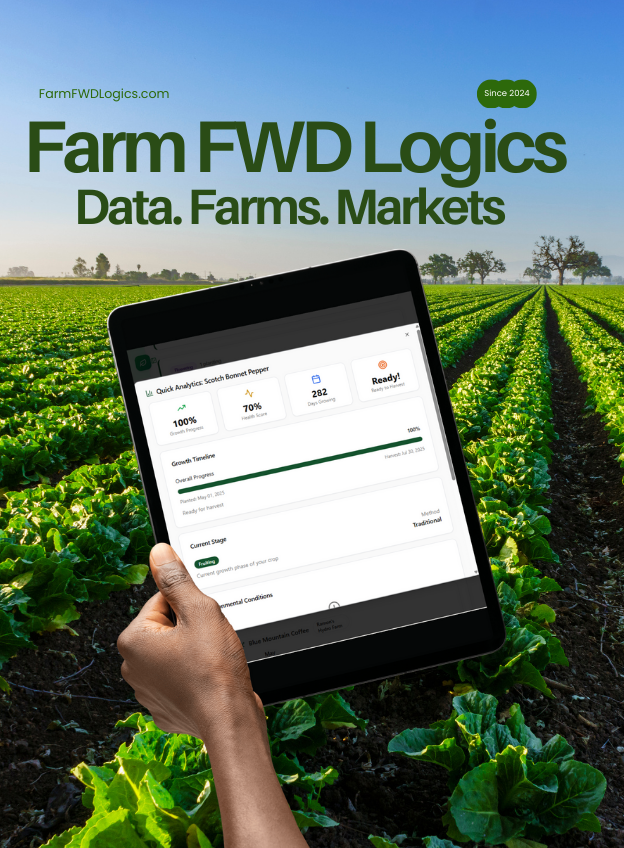
Did you know up to one-third of the world’s food is lost or wasted every year? This staggering figure not only costs billions but also undermines food security, sustainability, and livelihoods worldwide. With effective post-harvest loss reduction policy, nations can stem this tide of loss, trailblaze a path toward food security, and actively participate in achieving global development goals.
Startling Facts: The True Cost of Post-Harvest Loss and Food Loss
“Up to one-third of the world’s food is lost or wasted each year, costing billions and threatening food security.”
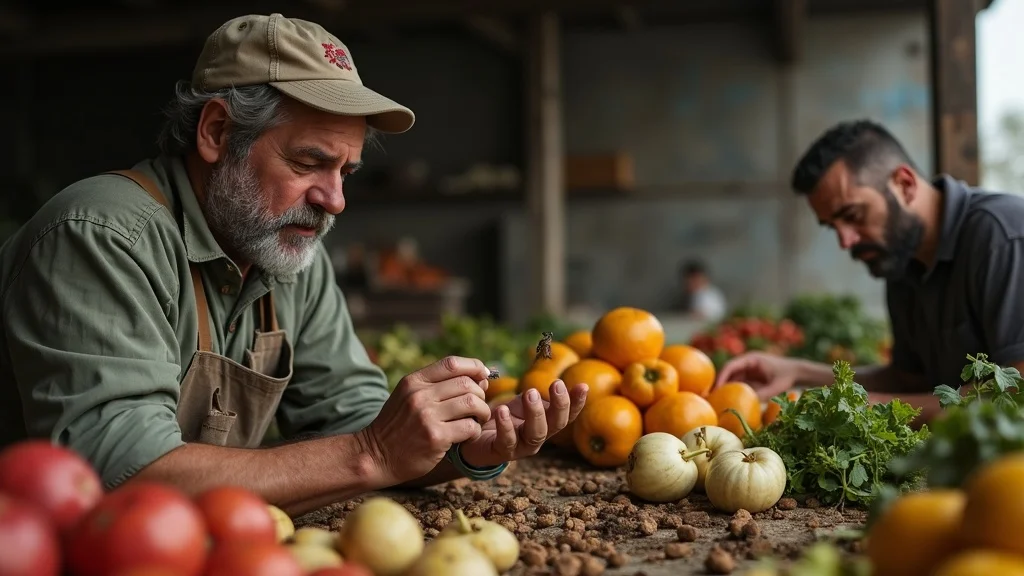
- Definition of post-harvest loss and food loss: Post-harvest loss refers to the measurable reduction in the quantity and quality of food from harvest to consumption. Food loss includes both unintentional losses (spoilage, pests) and unavoidable waste along supply chains.
- Overview of harvest loss impact on supply chain and food loss and waste: Harvest loss and food loss weaken supply chains, driving up costs and reducing food system resilience. Losses occur at every stage, from farm to fork, affecting both food availability and environmental impacts.
- Importance of addressing postharvest loss through policy: Effective food loss and waste policy elevates food security, reduces environmental impact, and helps economies by saving resources wasted in lost production and handling practices.
What You’ll Learn in This Guide on Post-Harvest Loss Reduction Policy
- Key factors causing harvest loss and food loss
- Components of a successful loss reduction policy
- Role of supply chain improvements in loss red and loss reduction
- Influence of value addition and sustainable development goals
- Global examples and case studies on loss reduction
Understanding Post-Harvest Loss Reduction Policy and Terminology
What is Post-Harvest Loss?

Post-harvest loss is the decline in both the quantity and quality of food crops after harvest, before reaching the consumer. This can happen due to poor handling practices, inefficient storage, pest infestation, and market delays. In terms of food loss, even slight reductions in volume or damage reduce the value and usability of food system outputs, affecting farmers, distributors, and consumers alike. For example, without reliable postharvest technologies, grains may spoil or lose nutritional value, directly impacting food security and the broader supply chain.
Differentiating Between Postharvest Loss, Food Loss, and Food Loss and Waste
Understanding the terminology is crucial for formulating effective policies. Postharvest loss typically covers all losses in the value chain after harvesting, whereas food loss encompasses reduction during production, postharvest, and processing before reaching the retail stage. Food loss and waste adds the element of retail and consumer-level discard. Clarifying these distinctions helps policymakers target interventions at the right stages, ensuring that strategies address systemic issues rather than just symptoms.
Historical Context of Loss Reduction and Sustainable Development
Efforts to tackle postharvest losses have intensified in recent decades, with international organizations and national governments aligning their approaches with the United Nations Sustainable Development Goals (SDGs), specifically Goal 12. 3, which aims to halve food loss and waste by 2030. Early policies often focused on storage or transport, but holistic thinking integrating climate change, infrastructure, and public-private partnerships now drives more substantial loss reduction and sustainable development outcomes, especially in vulnerable regions like South Asia.
| Region / Crop | Postharvest Loss (%) | Food Loss (%) | Harvest Loss (%) |
|---|---|---|---|
| South Asia (Grains) | 15-25 | 25-35 | 10-20 |
| Sub-Saharan Africa (Fruits and Vegetables) | 30-40 | 35-45 | 5-15 |
| Latin America (Tubers & Roots) | 20-35 | 30-40 | 7-12 |
| Global Average | 10-30 | 20-35 | 5-15 |
The Magnitude of Global Food Loss and Harvest Losses
Statistics on Postharvest Losses and Storage Loss
Globally, estimates show that postharvest losses represent 10–30% of total production, with storage loss comprising a significant share, especially in grains and perishables. These statistics underscore enormous inefficiencies in existing food supply chains. Food loss and waste directly translate to economic loss, wasted labor, and resource depletion, harming both producers and consumers. Recent research pinpoints that up to 50% of fruits and vegetables, and about 20% of cereals can be lost post-harvest due to inadequate infrastructure and handling practices, particularly in developing economies.
Regional Insights: South Asia and the Developing World

In regions like South Asia, postharvest losses are alarmingly high due to fragmented supply chain infrastructure, unreliable storage facilities, and seasonal gluts. These challenges hinder food security and disrupt local food systems, especially for smallholder farmers who cannot absorb the loss. The food supply chain inefficiencies in these regions also contribute to food loss and waste at consumer and retail levels, making policy interventions crucial for sustainable development and resilience against food insecurity and environmental impact.
Impact on Quantity and Quality in Food Supply Chains
Every stage of the food supply chain—from harvest to distribution—impacts the quantity and quality of available food. Losses affect not just the amount of edible food, but also its nutritional value, ultimately reducing the overall food supply and increasing vulnerability to price shocks and hunger. Effective post-harvest loss reduction policy requires systemic thinking that addresses both physical losses and degradation in quality and marketability.
“Harvest losses in some regions can reach up to 50% depending on crops and supply chain inefficiencies.”
Causes of Post-Harvest Loss and Harvest Loss
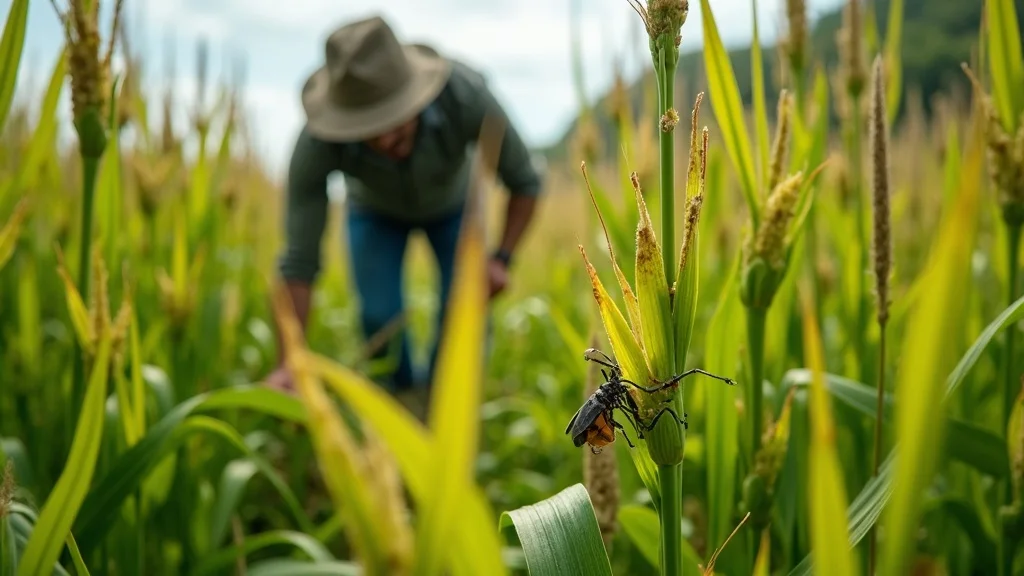
- Pre-harvest factors (climatic events, pests): Unpredictable weather, pest infestations, and diseases can weaken crops before harvest, increasing their susceptibility to post-harvest deterioration.
- Harvesting techniques and technology gaps: Outdated or improper harvesting methods cause bruising, spillage, or incomplete collection, especially in fruits and vegetables, leading to significant food losses.
- Supply chain and storage loss: Lack of modern storage solutions, such as controlled-atmosphere warehouses, results in substantial storage loss through spoilage and moisture damage, particularly for grains in humid climates.
- Packaging and transportation issues: Poor packaging fails to protect produce from damage, while inadequate transport leads to additional losses during long-distance shipment or from poor road infrastructure.
- Lack of value addition: Without transforming raw commodities to higher-value products, much of the harvest remains vulnerable to spoilage, price volatility, and wastage.
| Cause | Intervention |
|---|---|
| Pre-harvest Climatic/Pest Stress | Climate-resilient seeds, integrated pest management |
| Outdated Harvesting Practices | Farmer training, modern harvesting equipment |
| Inadequate Storage Facilities | Investment in silos/cold storage; improved packaging |
| Poor Transport Infrastructure | Upgrading road networks and refrigerated trucks |
| Low Value Addition | Support for processing industries, market access policies |
Core Elements of Post-Harvest Loss Reduction Policy
Policy Frameworks Targeting Food Loss and Waste and Loss Reduction
A robust post-harvest loss reduction policy begins with clear frameworks that define goals, targets, and responsibilities. Global food loss and waste directives, like the FAO’s Voluntary Code of Conduct, help governments and industries align with best practices for loss red and supply chains, encouraging inter-ministerial cooperation. These frameworks must integrate data collection, set baselines, and ensure regular monitoring of food loss, harvest loss, and supply chain bottlenecks, so policies stay adaptive and outcomes-focused.
Legislation for Efficient Storage, Distribution, and Loss Red

Legislation is critical to mandating best practices for storage, handling, and distribution. Regulations might dictate minimum storage standards, incentives for investments in cold chain infrastructure, and requirements for loss monitoring in the supply chain. Effective postharvest loss reduction policies also streamline market access, reduce regulatory barriers for private investors, and promote certified, safe loss reduction practices at every node in the food supply chain.
Investment in Sustainable Supply Chains
Public and private sector investments are cornerstones for modernizing supply chains and minimizing loss. Sustainable development strategies focus on building capacity, funding innovations in postharvest technologies, and supporting rural infrastructure. These investments, guided by robust post-harvest loss reduction policy, ensure resources are allocated to areas with maximum impact—like smallholder farmer networks and value addition facilities—resulting in strong economic and environmental benefits for the broader food system.
Public-Private Partnerships for Postharvest Loss Minimization
Effective post-harvest loss reduction policy often thrives on collaboration between government bodies and private sector players. Such partnerships provide technical know-how, funding, and market connections—scaling solutions like refrigerated logistics or digital monitoring more rapidly. These collaborations bridge the gap between regulation and innovation, ensuring loss red focuses on practical solutions and local market realities, especially across fragmented food systems in developing economies.
Best Practices in Loss Reduction Across the Supply Chain
Harvest, Handling, and Processing Innovations
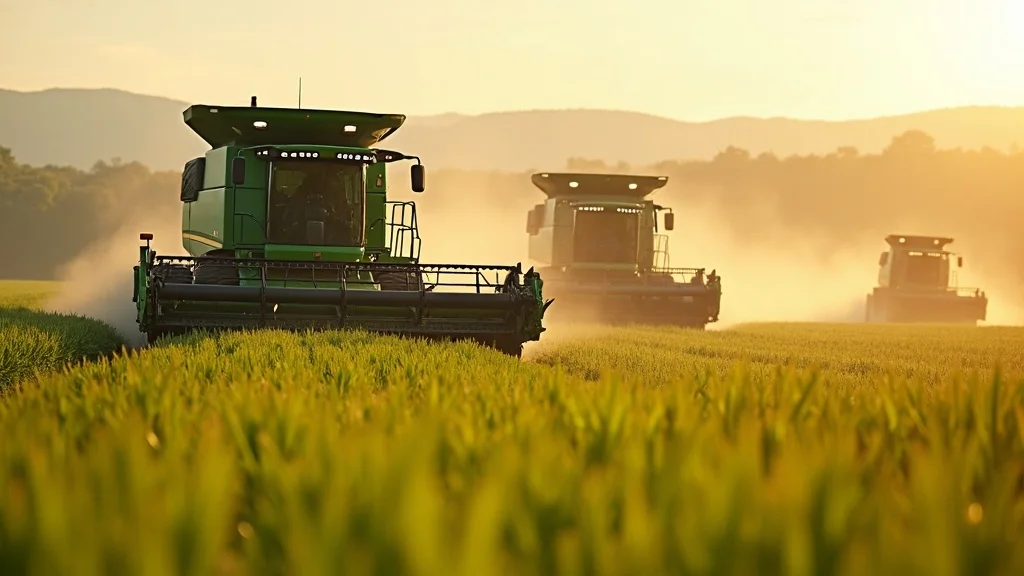
Innovations in the way produce is harvested, handled, and processed can significantly decrease both food loss and postharvest losses. Techniques such as mechanized harvesting, rapid field cooling, and value-adding processing increase efficiency and protect quantity and quality. Adopting these best practices, particularly for perishable crops like fruits and vegetables, creates resilient supply chains less prone to spoilage, while also opening doors to new markets and revenue streams for farmers.
Infrastructure Improvements for Storage Loss and Transportation
Modern infrastructure—like sealed grain silos, cold rooms, and refrigerated logistics networks—ensures crops remain safe from pests, environmental hazards, and spoilage. These investments, mandated or incentivized by government, sharply reduce storage loss and logistical wastage. Upgrading supply chain infrastructure translates into higher food supply reliability, enhanced market competitiveness, and robust loss reduction—keys for food security in both developing and developed nations.
Government Incentives and Subsidies for Value Addition
Many successful post-harvest loss reduction policies incorporate incentives for value addition—promoting local agro-processing and packaging enterprises. Government grants, favorable loans, and export subsidies help businesses transform raw crops into durable, higher-value products, minimizing risk of spoilage and supporting food system sustainability. These measures also generate rural employment, diversify food supply chains, and stabilize prices, furthering food security and resilience against climate change.
Role of Technology in Post-Harvest Loss Reduction Policy
Digital Monitoring of Harvest Losses

Cutting-edge digital technologies now allow real-time monitoring of postharvest and harvest losses, giving policymakers data-driven insight for rapid intervention. IoT sensors, mobile apps, and satellite imaging enable granular tracking and predictive analytics, ensuring swift response to food system disruptions. Embedding technology adoption into post-harvest loss reduction policy empowers supply chains to detect and resolve loss points before they escalate, boosting both transparency and efficiency.
Smart Packaging and Cold Chain Logistics
Smart packaging—integrated with freshness indicators, humidity controls, and traceability solutions—helps extend shelf life and capture data on produce condition throughout the supply chain. Likewise, a modern cold chain network ensures perishable items like fruits and vegetables reach consumers in peak condition, slashing food loss and minimizing environmental impact. These innovations are pivotal investments supported by most contemporary post-harvest loss reduction policies worldwide.
| Innovation | Effect |
|---|---|
| IoT Sensors | Continuous real-time monitoring of storage conditions, alerting for spoilage risks |
| Smart Packaging | Extends shelf life, provides data for supply chain management |
| Mobile Apps | Supports harvest planning, market linkage, and early loss detection |
| Cold Chain Expansion | Reduces spoilage of perishables through better temperature control |
Policy Success Stories: Postharvest Loss Reduction in Practice
Case Study: Grain Storage in South Asia
South Asia, once plagued by high postharvest losses, has seen dramatic improvement through warehouse upgrades, capacity-building, and data-driven regulation. Government support for hermetic storage and training in best handling practices has lowered loss rates and improved food security. These efforts showcase how adaptive post-harvest loss reduction policies can transform food system resilience and supply chains in the region.
Case Study: Fruits and Vegetables Cold Chain in Africa
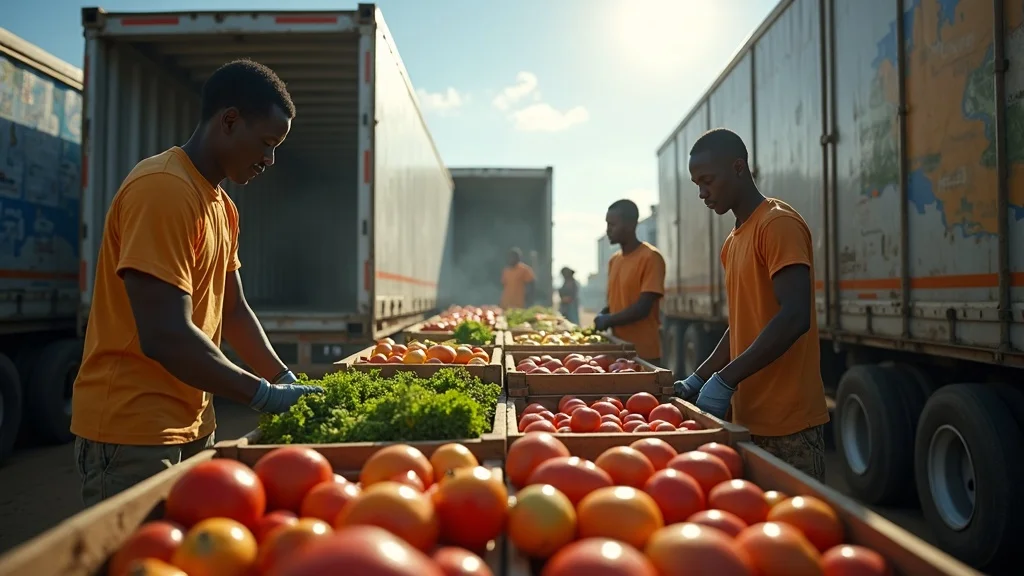
In Africa, investment in cold chain logistics for fruits and vegetables has minimized food loss and waste, doubled farmer incomes, and enhanced nutrition access. Partnerships with global tech firms and government-backed infrastructure have set a new standard for regional loss reduction and value addition, strengthening supply chains from farm to consumer and contributing directly to environmental and economic sustainability.
“Effective post-harvest loss reduction policies have doubled incomes for smallholder farmers in pilot regions.”
Integrating Climate Change Strategies in Post-Harvest Loss Reduction Policy
Resilient Supply Chains Amidst Climate Uncertainty
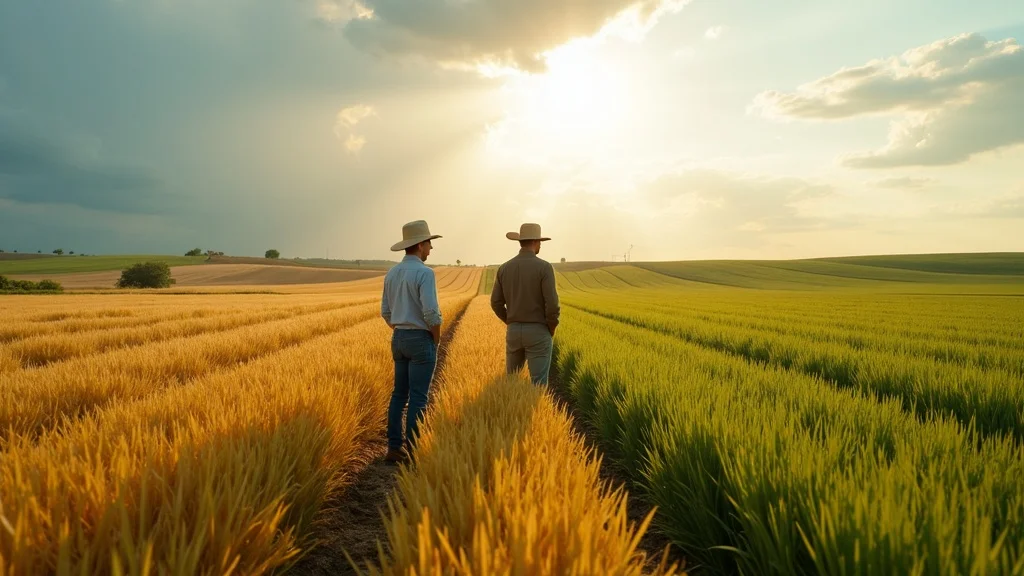
Climate change compounds risks in food systems, with unpredictable events threatening supply chain stability. Integrating climate adaptation—such as drought-resistant crops, flood-proof storage, and early warning systems—into post-harvest loss reduction policy makes supply chains more resilient. Cross-sector partnerships help with knowledge transfer and resource mobilization, ensuring communities remain food secure even as climate uncertainty grows.
Sustainable Development Goals and Reducing Food Loss and Waste
Post-harvest loss reduction policies directly advance Sustainable Development Goals: they conserve resources, boost food supply, and reduce greenhouse gas emissions from wasted food. Achieving loss reduction not only improves economic outcomes, but also supports long-term environmental and social sustainability—fulfilling key metrics sought by global policy mandates.
The Economics of Food Loss: Cost-Benefit Analysis of Loss Reduction

| Policy Intervention | Estimated Cost | Benefits Realized |
|---|---|---|
| Cold Chain Investment | $500M (National) | 10% reduction in perishables loss, $750M value added |
| Farmer Training & Technology | $100M | 15% yield increase, $200M in saved losses |
| Regulatory Reforms | $50M | Reduced food loss, improved food safety, $100M in savings |
Social and Environmental Benefits of Postharvest Loss Reduction
Reducing postharvest losses not only makes economic sense, but also delivers powerful social and environmental returns. Households enjoy more stable food prices, smallholders increase income, and less wasted food means reduced pressure on land and water resources. Achieving these benefits requires integrating social equity and sustainability into every stage of post-harvest loss reduction policy formulation.
Challenges and Barriers to Implementing Loss Reduction Policies
- Fragmented policies and regulatory gaps: Overlapping mandates and unclear responsibilities impede coordinated policy action and limit effectiveness of interventions.
- Limited funding for phl reduction and value chain upgrades: Resource constraints—especially in developing nations—delay the scaling of critical postharvest loss reduction practices and supply chain modernization.
- Stakeholder resistance in supply chains: Change management is difficult, as some actors may resist new regulations or investments, preferring traditional approaches that inadvertently perpetuate food loss and waste.
Recommendations for Effective Post-Harvest Loss Reduction Policy
Multi-Sector Collaboration for Food Loss Reduction
Success in reducing postharvest losses relies on forming strong partnerships among government agencies, private companies, research institutions, NGOs, and local communities. Coordinated action enhances knowledge exchange, optimizes funding, and ensures policy solutions fit the realities of diverse supply chains, ultimately making post-harvest loss reduction sustainable at scale.
Data-Driven Decision-Making in Loss Red Policy Formulation
Policy formulation must be grounded in accurate, real-time data on harvest loss, supply chain bottlenecks, and consumption trends. Leveraging technology for data collection and analysis allows for targeted, evidence-based interventions that maximize returns and minimize risk across the food system.
Aligning Policies with Sustainable Development and Climate Adaptation Goals
The best loss reduction policies integrate climate adaptation and sustainable development objectives—ensuring resilience, economic vitality, and environmental stewardship become mutually reinforcing in the fight against food loss and waste.
People Also Ask: Popular Questions on Post-Harvest Loss Reduction Policy
How can post-harvest losses be reduced?
Effective post-harvest loss reduction policy blends improved infrastructure, advanced technologies, capacity building among farmers, regulatory reforms, and supply chain incentives for reducing food loss and harvest loss at every stage of the supply chain.
What are the 5 post-harvest activities or practices?
The primary practices include harvesting, handling, storage, processing/packaging, and distribution/transport in supply chains, all of which are targets of food loss and waste reduction and postharvest loss policy.
How does value addition reduce post-harvest losses?
Value addition through processing, packaging, and market diversification increases the shelf life and price of products, reducing the quantity lost to spoilage and waste.
What is post-harvest loss?
Post-harvest loss encompasses the degradation in both quantity and quality of a food product from harvest to consumption, an issue addressed by comprehensive post-harvest loss reduction policy.
Key Takeaways: Building Policy for Sustainable Post-Harvest Loss Reduction
- Strong post-harvest loss reduction policy requires coordinated actions across supply chains and stakeholders.
- Technology, infrastructure, and regulations must work together to achieve harvest loss and food loss reduction.
- Value addition and climate adaptation are integral for sustainable development and food security.
Frequently Asked Questions (FAQs) on Post-Harvest Loss Reduction Policy
- How do storage facilities impact post-harvest loss reduction policy effectiveness?
Storage facilities minimize spoilage and pest incidences, representing a core component of post-harvest loss reduction. Modern facilities improve food safety, increase market access, and stabilize supply chains, directly supporting policy effectiveness. - Are there global standards for food loss reduction?
Yes, organizations like the FAO, WHO, and Codex Alimentarius offer guidelines and standards on best practices and targets for loss red, ensuring harmonized approaches across borders. - What are emerging innovations in postharvest loss reduction?
Innovations include IoT-enabled monitoring, biodegradable packaging, blockchain traceability, and solar-powered cold storage—all supported by modern post-harvest loss reduction policy.
Further Reading & Resources on Postharvest Loss and Loss Reduction
- Links to FAO reports on food loss and waste
- Case studies on postharvest loss reduction
- Guides on best practices in value addition
Summary and Steps Forward
Strategic Implementation of Post-Harvest Loss Reduction Policy
Moving from policy to action demands clear implementation strategies—routine monitoring, stakeholder education, and incentivized innovation are keys to success. Every food system actor has a role in achieving meaningful loss reduction.
Encouraging Stakeholder Engagement in Harvest Loss and Food Loss Reduction
Policy works best when informed by those closest to the challenge. Engaged farmers, supply chain managers, consumers, and policymakers can build lasting solutions for post-harvest loss reduction and a more secure future food supply.
“The path to zero post-harvest losses demands action from policymakers, industry leaders, and communities alike.”
Explore Best Practices: Download Our Free Guide on Effective Post-Harvest Loss Reduction Policy
Ready to help your community or organization reduce food loss? Download our comprehensive guide for actionable strategies, policy templates, and expert tips. Together, we can transform food systems for a more sustainable, food-secure world!