Over 50% of agricultural shipments from Africa face scrutiny due to pesticide residue limits set by importing countries. This eye-opening fact speaks volumes about the uphill battle African exporters fight to meet complex international standards. As the global spotlight intensifies on food safety, pesticide regulation Africa exports are quickly becoming one of the most debated topics in cross-border trade. In 2026, stringent regulations, controversy around banned pesticides, and ongoing discussions about the so-called “double standard” make it critical for exporters, policymakers, and consumers to understand exactly what’s at stake—and what the path forward should look like.
A Startling Landscape: Pesticide Regulation Africa Exports and Export Standards
The export sector in Africa, particularly in agriculture, faces mounting pressure as pesticide regulation Africa exports become more stringent worldwide. Importing countries are implementing tighter residue limits and demanding greater transparency on the use of banned pesticides and highly hazardous pesticides. For African producers, especially smallholder farmers, navigating this shifting regulatory landscape is no small feat. These standards are intended to safeguard food safety and human health, but they also bring new complexities and costs for exporters, threatening their access to high-value markets in the European Union and beyond.
With the rise in concerns over negative effects of toxic pesticides on both people and the environment, importing countries are no longer merely concerned with the origin of goods—they want assurance that agricultural products comply with every international standard set for pesticide residues and active ingredients. As such, African countries must grapple with evolving requirements from Europe and other major importers. Exporters who cannot adapt risk economic losses, market rejections, and possible long-term damage to their national agricultural brands. The urgency to harmonize pesticide regulations and invest in modern compliance infrastructure has never been higher.
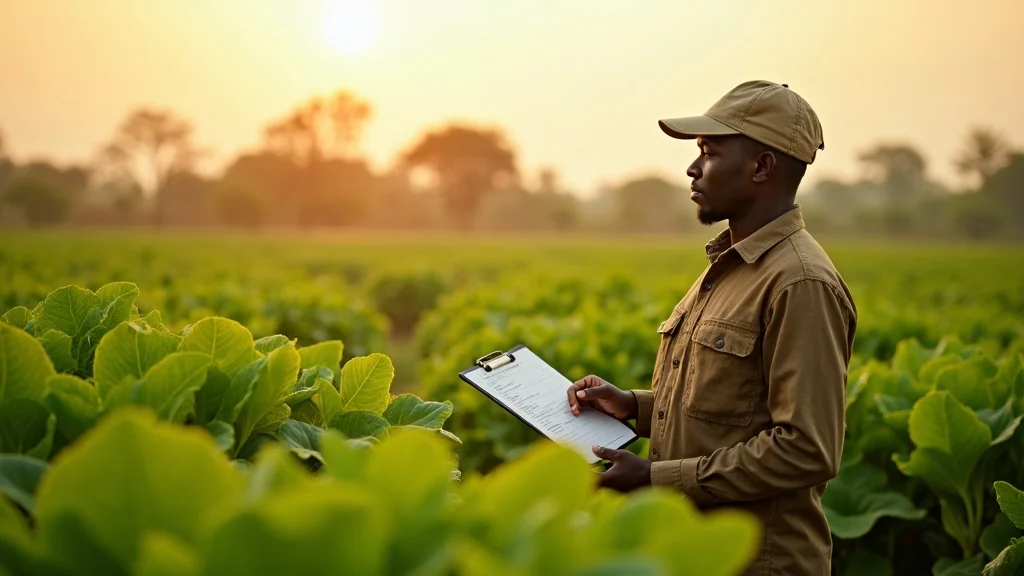
“Over 50% of agricultural shipments from Africa face scrutiny due to pesticide residue limits set by importing countries.”
What You’ll Learn About Pesticide Regulation Africa Exports
- Key export challenges for Africa under tightened pesticide regulations in 2026
- Comparative overview of banned pesticides in Europe and their implications
- Understanding residue limits and their impact on African produce
- How the ‘double standard’ debate shapes pesticide regulation in Africa exports
- Personal opinion on what African policymakers and exporters should do next
The Global Tide: How Pesticide Regulations Shape Africa’s Export Landscape
Pesticide regulation Africa exports are now at the center of international trade negotiations, with the European Union and other key markets dictating what can and cannot be used on crops destined for their consumers. These new norms not only reflect a growing consensus on food safety and quality but also echo broader civil society calls for sustainability and accountability. African countries wishing to remain competitive must decipher the ever-expanding list of pesticide “no-gos” while striving to protect their farmers and supply chains.
Forward-thinking exporters are investing in residue testing, adjusting farm management protocols, and seeking alternative pest control methods that align with international standards. However, uncertainty about which pesticide ingredients are banned in Europe, shifting regulatory targets, and the potential for rejected shipments continue to challenge the continent’s exporters. Ultimately, the evolution of global pesticide regulations brings both opportunities for improved environmental health and risks that could impact African livelihoods if adaptation is too slow or inconsistent.

Why Pesticide Regulation Africa Exports Are Under Spotlight in 2026
The year 2026 marks a turning point. Several importing countries, most notably in the EU, are set to implement updated lists of banned pesticides and lower permissible residue limits. These changes respond to mounting evidence about the dangers of highly hazardous pesticides and their impact on human health, food safety, and the environment. As advocacy from civil society and international organizations grows, so too does pressure on exporters to comply or risk being shut out of lucrative markets.
This regulatory momentum coincides with a surge in consumer awareness worldwide. End users are increasingly asking where their food comes from and how it is produced. Pressure is not limited to large-scale exporters; smallholder farmers in African countries like South Africa are also expected to navigate these demands. The result is a complex and high-stakes environment in which every shipment is scrutinized for compliance, with failures threatening entire supply chains and national reputations.
Export Standards and Shifting International Requirements
In response to food safety alarms and reports of negative effects from pesticide consumption, the European Union and other major importing countries have established robust pesticide registration frameworks and banned dozens of active substances now considered too risky. While these standards are rooted in the need to protect their own populations, the ripple effect on African trade is profound.
Adherence to foreign residue limits, the removal of select active ingredients in pesticides, and more frequent shipment testing add both costs and complexity to the African export process. For many, this necessitates a complete overhaul in how crops are cultivated, harvested, and processed, including an upgrade to modern agricultural techniques and record-keeping. Exporters who cannot pivot quickly may face market exclusion, product recalls, or damaging headlines about food safety breaches.
Banned in Europe: Impacts on Pesticide Regulation Africa Exports
The list of pesticides banned in Europe is both extensive and ever-evolving. Over 100 active substances once commonplace in African farming are now prohibited due to evidence of negative effects on human health and the environment. Yet, many remain in regular use across African countries due to differing regulations, a reality that exposes exporters to rejection—often at great financial cost—when shipments fail testing in the destination country.
Notably, fungicides, insecticides, and herbicides containing certain highly hazardous or carcinogenic substances, such as paraquat and chlorpyrifos, show up consistently on these banned pesticides rosters. The disconnect between local and international requirements fuels the widespread “double standard” debate and intensifies the need for harmonized standards if African agriculture is to thrive on the global stage.
Common Banned Pesticides and Their Status in Africa
While substances banned in Europe are still approved for agricultural use in many parts of Africa, some progress has been made in tightening regulations. The Bamako Convention, for instance, has played a critical role in targeting hazardous pesticides in line with international conventions. However, lack of resources, gaps in enforcement, and ongoing market demand mean that the use of banned pesticide products persists.
Exporters must therefore keep abreast of both regional and international developments. Regulatory divergence means that a pesticide permitted for use in one African country may trigger a shipment rejection in the EU or other regulated markets. Staying compliant often requires a dynamic approach to pesticide selection, rigorous residue testing, and close partnerships with regulators and civil society groups focused on food safety.
| Pesticide Active Ingredient | Status in European Union | Status in Africa (2026) | Key Health/Environment Concerns |
|---|---|---|---|
| Paraquat | Banned | Allowed (some countries) | Highly toxic, linked to Parkinson’s disease |
| Chlorpyrifos | Banned | Allowed (widely used) | Neurotoxic, harm to child development |
| Glyphosate | Restricted | Allowed | Potential carcinogen, impacts soil health |
| Carbofuran | Banned | Allowed (limited use) | Highly toxic to wildlife and humans |
| Mancozeb | Banned | Allowed (most regions) | Possible carcinogen, environmental persistence |

The Residue Limits Dilemma: A Major Hurdle for African Exporters
The tightening of residue limits in destination markets is one of the biggest hurdles for exporters. Modern laboratories in the European Union can detect even trace amounts of pesticides, making compliance non-negotiable. Small deviations—often the result of climatic factors or inadequate post-harvest handling—can lead to shipment rejection, financial losses, and damaged relationships with foreign clients.
For African exporters, this dilemma is compounded by resource limitations: up-to-date residue testing facilities may be scarce, and materials or training to implement safer pest management techniques may not be readily available. As supply chain oversight grows more rigorous, investments in training, technology, and collaboration with food safety groups will prove essential to avoid the negative effects of non-compliance and to meet growing international expectations about food quality and safety.
Double Standard? Debating Pesticide Regulation Africa Exports
“The same pesticide banned in the European Union can legally be applied to food exported from Africa—raising questions of fairness and food safety.”
The double standard controversy surrounding pesticide regulation Africa exports is a focal point for critics. Many civil society organizations have argued that allowing African farmers to use pesticides banned in the EU, simply because the produce is destined for foreign markets, undermines efforts to safeguard global human health and perpetuates environmental injustices. Consumers in importing countries are waking up to these realities, prompting greater scrutiny and calls for accountability from exporters and policymakers in both regions.
On the other hand, some African policymakers argue that the capacity to monitor, regulate, and enforce broad bans is still developing. Imposing the same restrictions as those in Europe risks excluding smallholder farmers entirely from lucrative export markets, with grave socioeconomic implications. This delicate balancing act—between economic opportunity and responsible stewardship—defines the ongoing debate and shapes the future of pesticide regulations in the global south.
Lessons From the European Union on Pesticide Regulation
The European Union offers important lessons in how strong civil society engagement, robust science-based risk assessments, and investment in public infrastructure can accelerate the shift away from hazardous pesticides. Their system of pesticide registration is one of the strictest in the world, banning or restricting more than 100 active substances, often taking a cautious approach when negative effects on the environment or human health are suspected.
For African countries aiming to align with global markets, adopting best practices from the EU can strengthen local regulation, boost market access, and ultimately protect food safety for both export and domestic supply chains. Ongoing dialogue, technology transfer, and training partnerships will be essential in bridging the regulatory gap and moving towards harmonized standards across continents.
(Video content to be embedded by publisher.)
African Exporters Respond: Strategies and Adaptation to Pesticide Regulation
- Investment in alternative pest management practices—from biological controls to integrated pest management—reduces dependency on hazardous pesticides and promotes food safety and environmental health.
- Partnerships for improved residue testing allow exporters to verify compliance with residue limits, protecting access to high-value markets and safeguarding supply chain integrity.
- Policy advocacy for harmonized global standards seeks to eliminate the double standard and create a fair, level playing field for producers and consumers worldwide.
Case Study: Successful Adaptation Stories from African Exporters
Some African exporters have risen to the challenge, transforming their operations to meet evolving pesticide regulation Africa exports. For example, a group of producers in Kenya, South Africa, and Ethiopia embraced stricter residue testing, collaborated with international partners, and transitioned to organic or low-chemical systems. These efforts not only opened new markets—particularly among discerning EU clients—but also built new skills and introduced innovative products to their portfolios.
Others have joined forces with NGOs and research institutions to adopt pest control strategies less reliant on highly hazardous pesticides. These producers report improved crop quality, higher farm incomes, and lower risks to workers’ health and the environment. Their success stories serve as a valuable roadmap for peers across the continent striving to align with global expectations while continuing to drive economic growth.
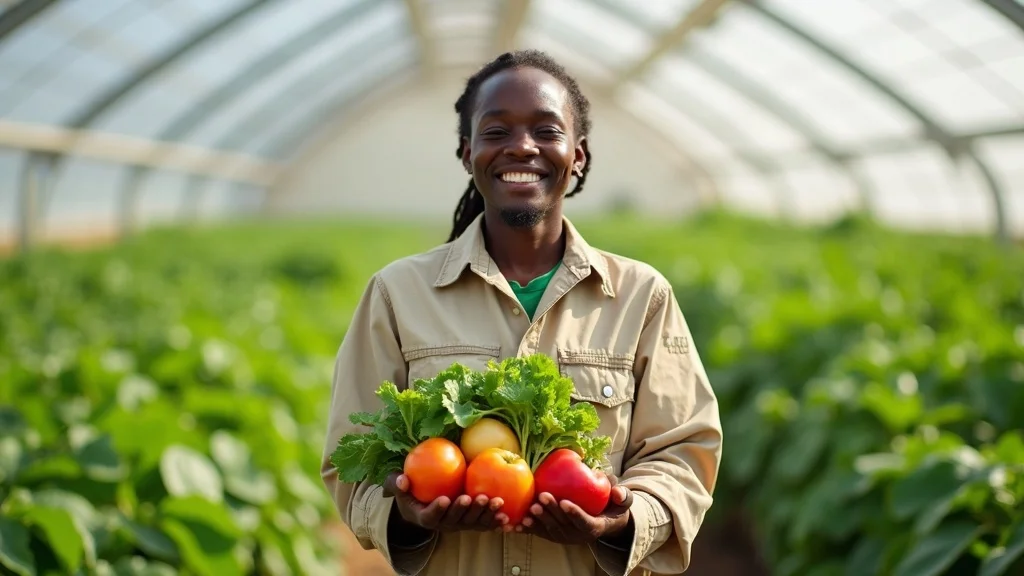
“Adoption of stricter internal standards has opened new markets for some African producers.”
People Also Ask: Navigating Pesticide Regulation Africa Exports
Which pesticides are commonly banned in Europe for African exports?
The list of pesticides commonly banned in Europe includes paraquat, chlorpyrifos, carbofuran, and mancozeb, all recognized for their negative effects on human health and the environment. Many of these substances are still permitted for use in several African countries, which can lead to export challenges and shipment rejection. Exporters must closely monitor updates to these lists to stay compliant and maintain smooth access to EU and other regulated markets.
How do residue limits affect the acceptance of African produce abroad?
Residue limits are maximum allowable traces of pesticides in exported food. Strict residue standards, particularly in the European Union, mean that even minor excesses may result in rejected shipments. This not only affects immediate sales but may also lead to reputational damage, loss of contracts, and increased scrutiny for future consignments, placing pressure on African exporters to enhance testing, transparency, and record-keeping throughout their supply chain.

What is meant by ‘double standard’ in pesticide regulation Africa exports?
The ‘double standard’ refers to the practice where pesticides banned in Europe are still permitted to be used in Africa on goods intended for export. This approach raises ethical questions and concerns about food safety and perceived fairness. Many advocate that fair trade requires harmonized rules so that people in both exporting and importing countries enjoy equal health protections.
What role does the European Union play in Africa’s pesticide regulation?
The European Union is both a key trading partner and a regulatory benchmark. Its stringent pesticide standards significantly influence pesticide regulation Africa exports. African countries and exporters aiming to access EU markets often must adapt their standards and processes to match or closely align with those of the EU, driving changes up and down the agricultural supply chain and creating both challenges and opportunities for compliance.

Are there alternatives to banned pesticides that African exporters can use?
Yes, alternatives such as biological controls, crop rotation, and integrated pest management systems offer effective measures while reducing dependency on toxic pesticides. Support from NGOs, research institutions, and public-private partnerships help scale up access to these techniques, ensure better food safety, and protect human health throughout the African agricultural sector.
FAQs: Pesticide Regulation Africa Exports in 2026
- What new regulations are coming in 2026 for African agricultural exports?
Many importing countries, notably the EU, will roll out lower residue limits and expand their lists of banned pesticides, directly impacting what African exporters can use and how produce is treated before export. - How can exporters ensure compliance with updated residue limits?
By investing in modern residue testing, collaborating with certified laboratories, and adopting stricter internal standards for pest management, African exporters can proactively adapt to new regulations and avoid costly market rejections. - How do banned pesticides impact smallholder farmers in Africa?
Tightened regulations may present new hurdles for smallholders, including higher production costs and the need for education on alternative pest management. Policy interventions and targeted support will be key in helping these farmers transition successfully. - What support is available for transitioning to less hazardous chemicals?
Regional programs, international donors, and civil society organizations offer training, grants, and pilot projects that help farmers access safer alternatives and meet the evolving requirements of pesticide regulation Africa exports.
Key Takeaways on Pesticide Regulation Africa Exports
- Heightened international standards will drive change across African agricultural exports.
- Awareness and compliance with banned in Europe lists are crucial for market access.
- Closing the double standard gap is a shared responsibility between exporters and importers.
Moving Forward: Calls for Unified Pesticide Regulation Across Africa Exports
“Unified standards not only protect African exports—they also ensure safe, competitive, and sustainable agriculture on a global stage.”
The case for harmonized pesticide regulation Africa exports is clear: aligning policies both across Africa and with key importing countries not only safeguards food safety and public trust but also strengthens the resilience and competitiveness of African agriculture. By embracing collaborative policymaking and investing in modern compliance systems, Africa can move from being subject to global standard changes to actively shaping them.
(Video content to be embedded by publisher.)
Join the Discussion: How Can Africa Meet Global Pesticide Regulation for Exports?
The journey toward fair, safe, and sustainable pesticide regulation Africa exports is a shared one. Stakeholders from government, the private sector, and civil society are invited to join the conversation—because only by working together can Africa both meet the challenges of 2026 and seize its full potential in global agriculture.
Have thoughts, experiences, or suggestions? Comment below or share your story to help shape the future of African agricultural exports!