Did you know that over 60% of adults in East Africa now use mobile money accounts for daily transactions—including paying and getting paid on the farm? This digital shift has swept through markets and remote villages alike, unlocking new opportunities for farmers and reshaping the way food gets from field to table. In this article, you’ll discover how mobile money farm payments Africa have become a game-changer for rural economies and why this movement is accelerating.
A New Era in Mobile Money Farm Payments Africa: A Startling Statistical Shift
East Africa is experiencing a profound transformation as mobile money farm payments Africa replace traditional bank accounts on a massive scale. According to the World Bank and other financial institutions, the use of mobile money accounts has surged—over 60% of adults in the region now rely on these platforms for both personal and business transactions. This drastic shift is particularly evident among smallholder farmers, whose participation in the digital economy was once hampered by lack of access to formal banking and financial services. The advent of mobile phones, combined with a robust network of mobile money agents, means even farmers in the most remote areas can now send and receive payments securely and instantly.
Unlike cumbersome trips to distant bank branches or dealing with intermediaries, farmers are able to use their mobile phones to complete transactions within seconds. This digital leap has enhanced financial inclusion—a goal long sought after by governments and development organizations across sub-Saharan Africa. The impact of mobile money on farm payments presents a remarkable case of technology leapfrogging traditional banking, providing everyone from maize growers in Kenya to coffee producers in Uganda with newfound economic autonomy.
The Unconventional Truth About Mobile Money in Sub-Saharan Africa
“Did you know that over 60% of adults in East Africa now use mobile money accounts, reshaping payments for millions of smallholder farmers?”
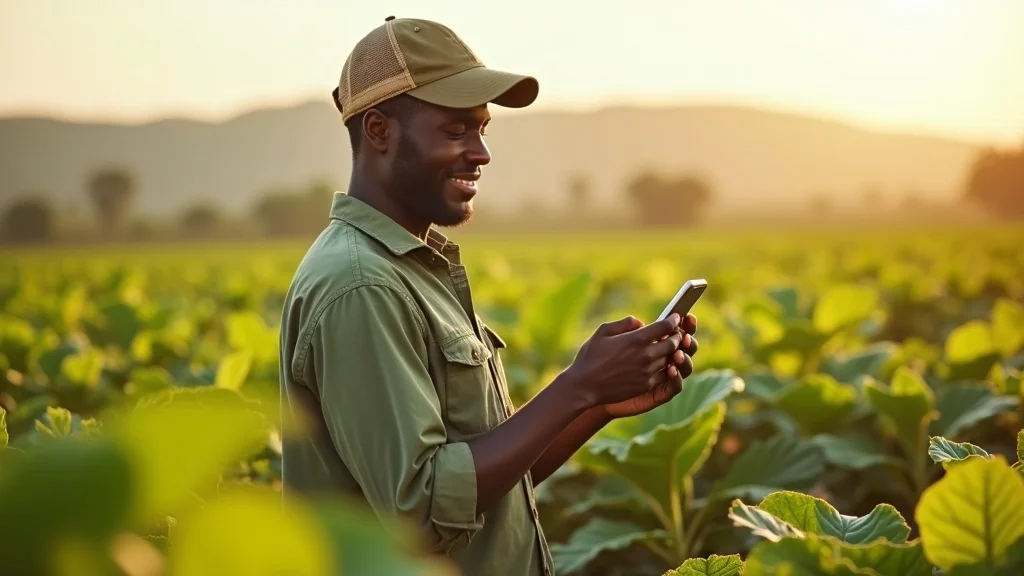
Many might assume that formal bank accounts are the key to economic participation, but the reality in sub-Saharan Africa tells a different story. Here, mobile money has leapfrogged traditional financial systems, harnessing simple mobile phones available to nearly every rural household. The reduced need for physical infrastructure, such as bank branches or ATMs, makes these services exceptionally well-suited for sprawling rural areas where distance or lack of paperwork once kept farmers out of the financial services loop. As a result, East Africa is leading the world in mobile money account ownership, outpacing even some of the wealthiest economies when it comes to digital payments adoption.
The freedom and security offered by mobile money providers have upended the status quo for millions of people—a development so significant that aid agencies, banks, and tech innovators are collaborating to study and expand these services worldwide.
What You’ll Learn: Insights Into Mobile Money Farm Payments Africa
- The impact of mobile money farm payments on smallholder farmers
- How bank account and mobile money account ownership have evolved
- Key differences between traditional and digital payment systems
- Expert opinions and real-world case studies from the region
- Future outlook for financial service innovation in African agriculture
The Rise of Mobile Money Accounts in Sub-Saharan Africa’s Agricultural Sector
The agricultural landscape in sub-Saharan Africa is rapidly evolving, thanks in large part to the widespread adoption of mobile money accounts by both individual farmers and farming cooperatives. No longer dependent on middlemen who take cuts or on slow, unreliable payments from traditional bank accounts, today’s rural entrepreneurs rely on fast, traceable, and convenient digital payment networks. This increased account ownership has seen even the smallest agricultural producers transact like businesses—sending and receiving funds, paying workers, and purchasing inputs without leaving their land.
Mobile money farm payments Africa have made the sector more resilient. During disruptions such as pandemics or local market closures, the ability to accept and disburse payments without gathering in-person or risking theft is invaluable. As a result, East African countries are not only closing the banking gap but also building stronger, more transparent agricultural economies.
Why Mobile Money Account Ownership Outpaces Traditional Bank Accounts
But why do mobile money accounts now outnumber traditional bank accounts among East Africa’s farmers? The reasons are as practical as they are persuasive. Traditional banks often require formal identification, regular income, and even collateral—barriers that exclude vast swaths of the rural population. In contrast, opening a mobile money account is fast, doesn’t require a minimum balance, and can be done through a network of mobile money agents found in remote markets and roadside stalls. This flexibility has democratized access to financial services, particularly for smallholder farmers living on the margins of the formal economy.
The convenience of conducting transactions at any time or place means farmers can better manage their finances and reduce the risks associated with cash-based systems, such as theft or payment delays. As a result, account ownership rates are soaring, marking a historic transition in the way rural communities participate in both local and international value chains.
Improving Financial Service Access for Rural Communities
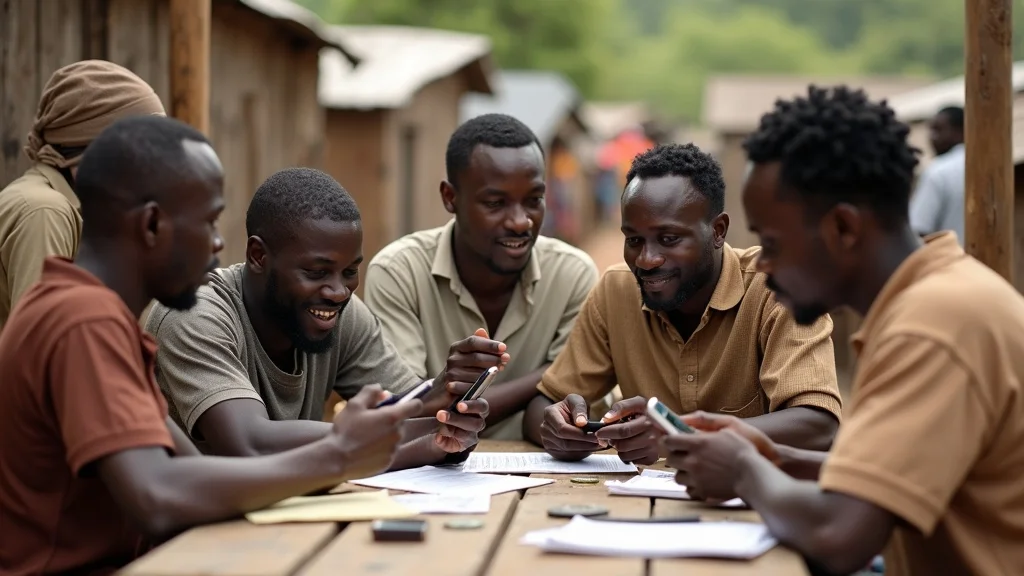
The improved access to financial service platforms has revolutionized economic prospects in the countryside. Mobile money not only enables fast, secure payments but also reduces reliance on informal savings groups or money lenders, making it easier to save, budget, and plan. This has a direct impact on rural development—research from the World Bank confirms that digital account ownership correlates with higher investment in equipment, better capacity to manage risk, and even improved household welfare in farming families.
What’s more, these digital channels open doors to additional financial products, such as access to credit, insurance, or supply chain financing, all through a single mobile phone interface. As more rural communities embrace this digital shift, the potential for long-term, inclusive economic growth in sub-Saharan Africa grows stronger with every transaction.
| Account Type | % Ownership (East Africa) | Accessibility | Transaction Time | Typical Fees |
|---|---|---|---|---|
| Mobile Money Account | 60%+ | High (rural & urban) | Instant | Low |
| Traditional Bank Account | ~30% | Low (mainly urban) | Hours–days | High |
Mobile Money Farm Payments Africa: Transforming the Financial Lives of Smallholder Farmers
The benefits of mobile money farm payments Africa are nowhere more visible than in the daily reality of smallholder farmers. Payments that once depended on cash transactions or seasonal advances today flow quickly and transparently from buyers to sellers across vast distances. This direct access gives farmers more control over their earnings and the ability to reinvest immediately—whether that means buying seeds from a local supplier or paying farm workers at harvest.
In the past, the impact of mobile money went far beyond simple convenience: it reduced losses from theft, provided record-keeping for proof of income, and let farmers participate directly in modern digital economies. By building financial history with each digital payment, smallholders gradually become eligible for new products such as microloans, crop insurance, or access to advanced farming equipment—opportunities that once felt out of reach in the traditional banking world.
Smallholder Farmers Lead the Shift Toward Digital Payment
Across rural landscapes, it’s often smallholder farmers who recognize the game-changing value of digital payments first. They see how missing or delayed payments by buyers disrupt entire growing seasons, so switching to mobile money accounts ensures a predictable and safe solution. Many of these early adopters become trusted advisors, showing their neighbors how to use mobile phones to track incoming funds or budget for next season’s investment.
As word spreads through community groups, churches, and cooperative meetings, adoption rates skyrocket. Some farmers even use mobile money agents to help cash out their digital funds for local spending or share tips on maximizing low-fee services. This grassroots movement builds digital literacy while unlocking the door to modern financial services across the region.
Money Accounts: Breaking Down Barriers to Financial Inclusion
“Mobile money is not just a convenience for farmers – it’s an equalizer, connecting even the smallest producer to broader markets.”
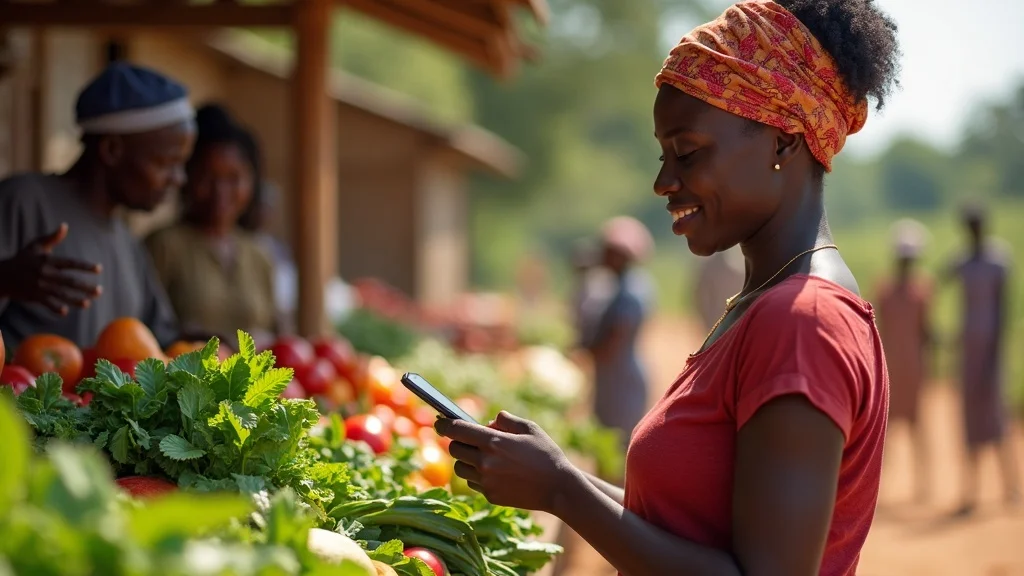
The real revolution of mobile money farm payments Africa lies in breaking down the barriers to financial inclusion. Traditional banking structures often failed rural customers, either through high product costs, distance to branches, or distrust of opaque systems. In contrast, mobile money accounts are built for the realities smallholder farmers face every day: limited infrastructure, shifting market prices, and seasonal incomes. With a growing array of mobile money agents supporting even the most remote communities, these services are actively closing the rural-urban gap in financial access.
Importantly, digital payments carry an extra bonus: every transaction leaves a digital trail that helps farmers prove income, apply for access to credit, and build trust with new trading partners—scenarios that were previously out of reach for unbanked producers.
Digital Payment and Financial Services: Opportunities and Challenges
The rapid transition to digital payment solutions has introduced fresh opportunities for farmers in sub-Saharan Africa, but it isn’t without hurdles. Many now leverage the simplicity and speed of transactions to buy supplies, pay school fees, or settle accounts at local markets. This seamless movement of money connects farmers to a broader digital economy and makes rural life more dynamic and efficient.
Still, the path isn’t always easy. Some communities must address digital literacy gaps or infrastructure issues—such as inconsistent mobile network coverage or unreliable electricity to charge devices. Governments and mobile money providers continue to face pressure to invest in these systems, which are now recognized not just as tools, but as lifelines for rural economic growth.
How Mobile Phones Enable Seamless Digital Payments
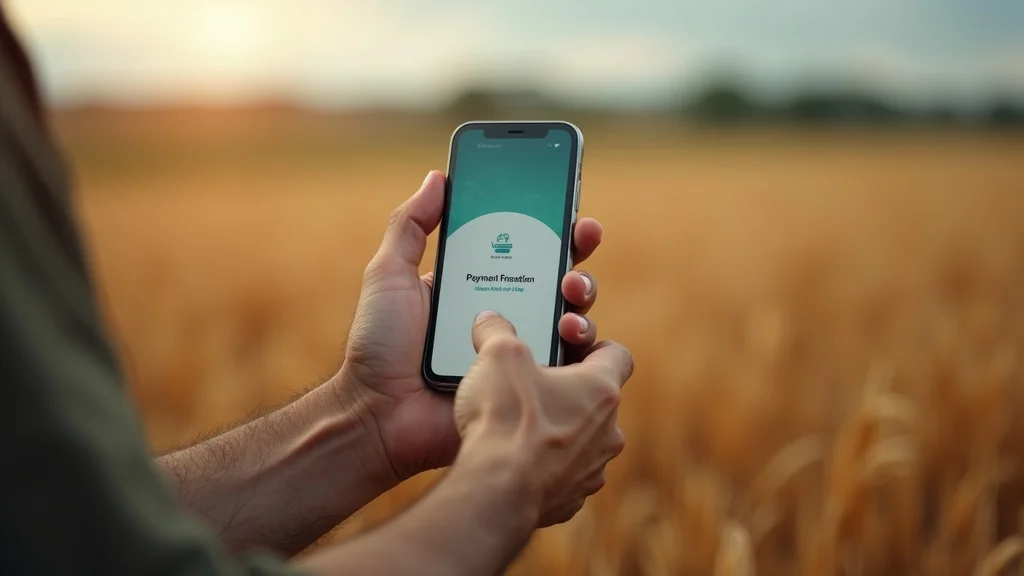
At the heart of the digital revolution is the humble mobile phone. For the vast majority of rural East Africans, feature phones—not smartphones—act as the gateway to the global financial system. With basic menu codes, a farmer can check balances, send or receive funds, and make payments—all at the push of a button. This user-friendly system is designed specifically for populations with limited formal education, making adoption rates impressively high.
Processes are supported by dedicated money agents, who answer questions, troubleshoot transactions, and provide cash in/out services when digital payments aren’t enough. This dual approach bridges the technology divide, ensuring that the benefits of mobile money farm payments Africa reach every corner of the countryside.
- Reduced transaction costs
- Improved transparency
- Enhanced record-keeping
Key Challenges: Infrastructure, Digital Literacy, and Policy Gaps
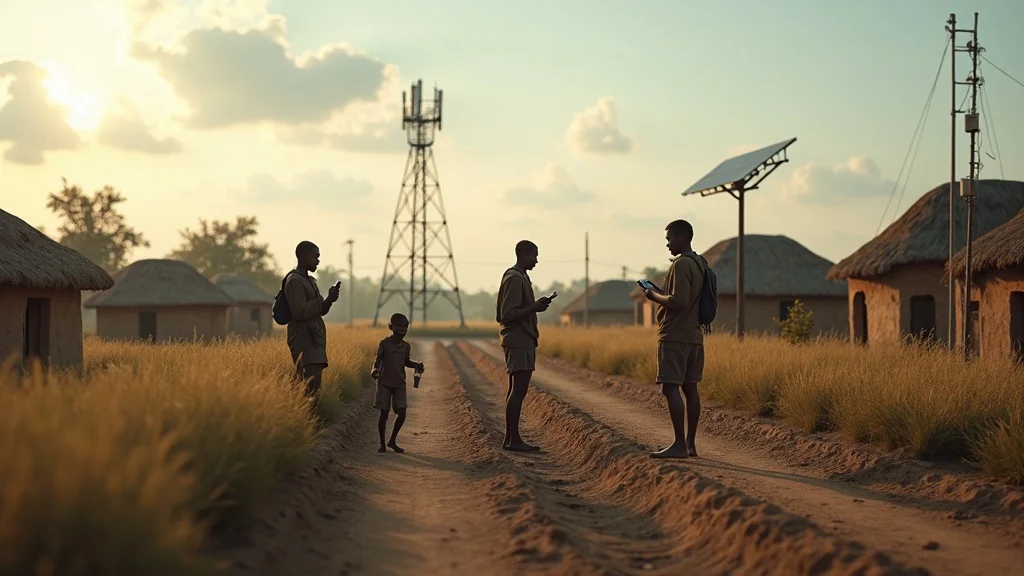
Despite remarkable progress, challenges remain before mobile money farm payments Africa can reach their full potential. Patchy network coverage in some rural areas restricts seamless payment, while lack of formal digital literacy education slows adoption for older and less-tech-savvy farmers. Policy makers must also address gaps concerning data protection, regulatory oversight, and competitive practices among mobile money providers. Without attention to these issues, the risk is that digital exclusion could unintentionally replace financial exclusion.
Yet, the trajectory is positive. Ongoing innovations—such as partnerships between banks, telecoms, and agricultural cooperatives—mean these barriers are steadily being tackled. With persistent community education and better infrastructure, the vision of a fully inclusive digital agricultural economy for sub-Saharan Africa is within reach.
Expert Opinions: The Future of Mobile Money Farm Payments Africa
“The accelerating adoption of mobile money accounts signals a turning point for subsistence farming in sub-Saharan Africa.”
Industry experts, agritech innovators, and banking executives widely agree: the next decade will be dominated by digital innovation, with mobile money farm payments Africa leading the charge. Many note that this adoption is not merely about convenience, but about deep, systemic change. Farmers who once had limited leverage in supply chains now command more bargaining power, access to information, and upward mobility through transparent financial services.
Some financial service leaders point to the importance of collaboration—between mobile network operators, fintech startups, and government agencies—to deliver innovation that is both secure and inclusive. As Africa’s rural population grows and becomes more digitally connected, the need for agile, accessible payment systems only increases, with expert voices affirming the sector’s robust outlook.
Leading Voices on Financial Service Access and Innovation
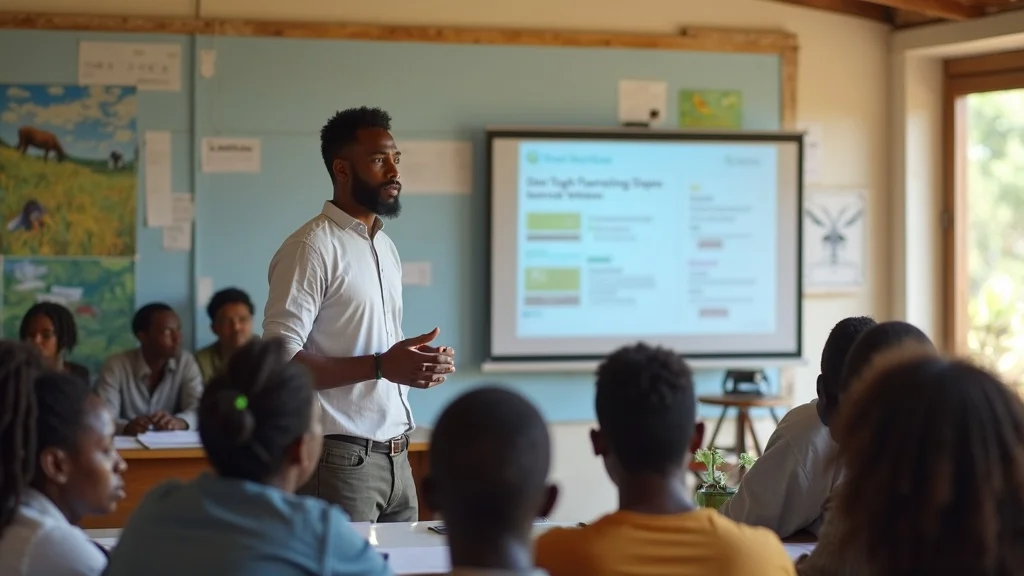
Interviews with leaders in the fintech space reveal strong confidence in the region’s ability to innovate for unique local needs. Many emphasize designing mobile applications and agent networks tailored for the realities of village life: intermittent mobile signals, shared phone use, and limited literacy. The most successful digital financial institutions partner directly with farmer groups, ensuring that new products respond to daily user feedback.
The result? Services that work for the people who need them most—offering specialized insurance to protect crops, digital wallets for savings, and instant updates on commodity prices and weather forecasts. These efforts make up the backbone of a resilient, future-ready agricultural sector across sub-Saharan Africa.
Case Studies: Success Stories in Mobile Money Farm Payments Africa
- Kenya’s agricultural cooperatives and mobile money integration: In Kenya, cooperative societies have embraced mobile payments to streamline collection and disbursement of funds. By embracing digital accounts, these cooperatives cut down on admin costs, reduced loss to cash leakage, and disbursed payments to members instantly, even in times of crisis.
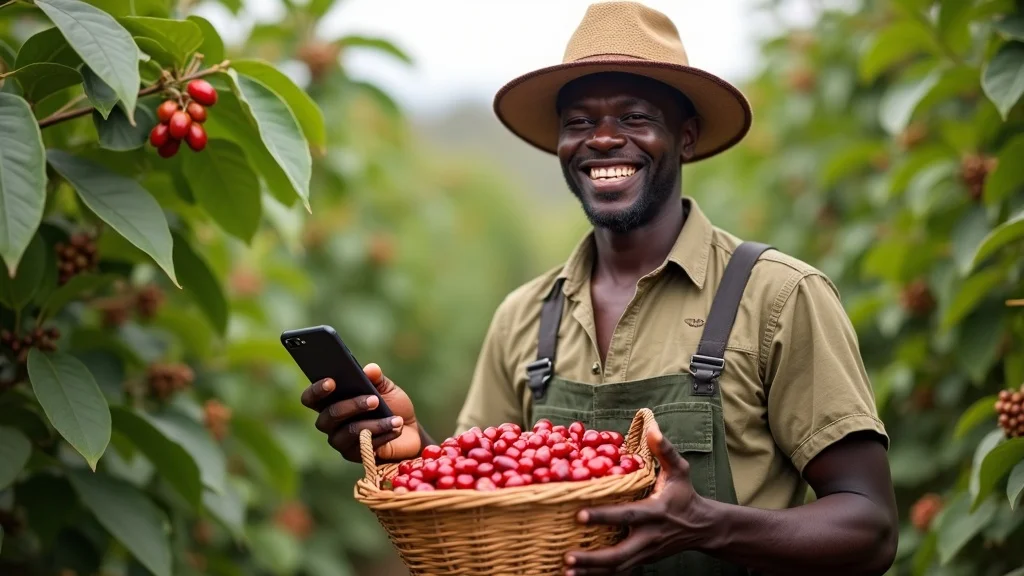
- Uganda’s mobile phone-based market access for coffee growers: Ugandan smallholder coffee producers now receive payments directly via mobile money platforms. This direct link has eliminated costly intermediaries and enabled farmers to get paid on delivery, invest in better seeds, and take advantage of value-added services such as crop insurance.
“Without mobile money, I would have lost half my crop’s value each season.” – Smallholder farmer, Tanzania
People Also Ask: Mobile Money Farm Payments Africa
How has mobile money changed the way farmers get paid in Africa?
Mobile money has revolutionized payment processes for African farmers by replacing slow and unreliable cash transactions with instant, secure, and trackable digital payments. With a simple mobile phone, farmers can receive payments directly from buyers, eliminating the risks of cash theft and the need for costly intermediaries. This change means faster reinvestment in farm operations and more predictable financial planning, improving the livelihoods of millions across sub-Saharan Africa.
What is the difference between a mobile money account and a bank account for farmers in Africa?
A mobile money account is typically much easier to open and manage—requiring only an ID and a phone, not extensive paperwork or a minimum balance. These accounts allow farmers to conduct transactions anywhere, without visiting a bank branch. In contrast, bank accounts can come with higher fees, stricter requirements, and limited branch networks, making them less accessible to rural smallholders. Overall, mobile money offers immediacy and flexibility tailored to farmers’ needs.
How widespread is mobile money usage among African smallholders?
The adoption rates are impressively high: over 60% of adults in East Africa—many of them smallholder farmers—use mobile money accounts, making this region one of the global leaders in digital payment penetration. The figure continues to rise as telecom companies, banks, and NGOs expand their offerings to underserved rural areas.
Do mobile money systems improve access to other financial services for farmers?
Yes. Once farmers have a mobile money account, they often gain access to a broader range of financial services, such as microloans, insurance, and digital savings. The transaction records also help build a financial profile, which can further unlock products like access to credit and improved terms with agricultural suppliers.
Frequently Asked Questions About Mobile Money Farm Payments Africa
- What types of crops are commonly paid for through mobile money accounts? In East Africa, mobile money is used to pay for a variety of crops including coffee, tea, maize, vegetables, and fruits. The system adapts to both cash crops and staples, supporting individual farmers and cooperative societies alike.
- Are there risks to relying on digital payment networks for farm transactions? While mobile money is generally secure and fast, risks remain, such as system outages, fraud, or loss of mobile phones. Farmers are advised to use registered agents and protect their security PINs.
- Can mobile money accounts be used for savings or only for payments? Mobile money accounts can be used for both payments and savings. Many providers offer digital wallets with savings features, helping farmers build financial resilience.
Key Takeaways on Mobile Money Farm Payments Africa
- Mobile money farm payments are revolutionizing agricultural transactions.
- Account ownership is rapidly shifting in favor of mobile money accounts, outpacing traditional bank account growth.
- Financial service delivery is more accessible than ever for rural populations.
- Despite challenges, digital payment options broaden opportunities for economic participation in sub-Saharan Africa.
Conclusion: The Transformative Power of Mobile Money Farm Payments Africa
Mobile money farm payments Africa are reshaping rural economies, opening access, and creating unprecedented opportunities for smallholder farmers. The journey continues—but the impact is already powerful, positive, and profound.