Did you know that in 2026, only 12 out of Africa’s 54 countries have enacted fully enabling GMO policy regulations? The rest walk a tangled, highly debated path, reflecting a continent divided on how to handle genetically modified organisms (GMOs) and the promise, peril, and politics that come with them. This article dives into where each African country stands, why their positions are so varied, and what the future may hold for food security, innovation, and sovereignty in the world’s youngest continent.
Startling Trends Shaping GMO Policy Regulations Africa: The Continent’s Unconventional Journey
Across Africa, the landscape of GMO policy regulations is anything but uniform. As biotech innovation surges ahead globally, Africa’s journey has been unpredictable, with countries zig-zagging between progress and precaution, driven by political, cultural, and economic factors. While South Africa leads the charge, embracing a sophisticated regulatory framework and advanced gm crops, most African nations either remain hesitant or have chosen outright bans. In 2026, just a fraction of countries have solidified laws enabling both genetically modified organisms and gene editing technologies, leaving the majority navigating a complex, sometimes contradictory, web of regulations.
This divide stems not just from scientific debate, but also from broader questions about food sovereignty, economic dependence, and cultural preservation. Countries such as Nigeria and Burkina Faso illustrate the contrasts, with one expanding approvals and the other retreating after controversial field trials. Through all of this, the role of international pressure—especially from giant markets like the United States and EU—can’t be discounted. It’s this blend of local realities and international influence that makes Africa’s GMO story so compelling, and so vital to watch in the years ahead.
“In 2026, only 12 of Africa’s 54 countries have enacted fully enabling gmo policy regulations. The remaining countries navigate a complex, fragmented, and contentious path on genetically modified crop approvals.”
What You’ll Learn About GMO Policy Regulations Africa
- Key differences and similarities in GMO policy regulations Africa-wide
- How major African countries approach genetically modified organisms
- Factors influencing the adoption or rejection of gene editing and modified organisms
- The outlook for South Africa, Nigeria, and others leading policy shifts
- Emerging trends for genetically modified regulations in 2026
Table: Country-by-Country Overview of GMO Policy Regulations Africa (2026)
| Country | Year of GMO Introduction | Current GMO Policy | Key Regulating Bodies | Major GMO Crops Allowed | Notable Bans or Moratoriums | Special Notes |
|---|---|---|---|---|---|---|
| South Africa | 1997 | Fully enabling | Department of Agriculture, Forestry and Fisheries | Maize, Cotton, Soybeans | — | Advanced gene editing policies; regular review of regulations |
| Nigeria | 2018 | Partially enabled | National Biosafety Management Agency | Bt Cotton, Cowpea | Moratorium on GM maize | Expanding GM crop trials; strong public debate |
| Burkina Faso | 2008 | Banned | National Biosafety Agency | None | Ban on Bt Cotton (2016) | Initial adopter, reverted after field trial issues |
| Kenya | 2010 | Enabled with restrictions | National Biosafety Authority | Maize, Cotton | Moratoriums on food imports (lifted in 2022) | Accelerated approvals since 2025 |
| Ethiopia | 2015 | Restricted, research only | Environmental Protection Agency | Bt Cotton (trial phase) | Ban on commercial cultivation | Significant policy debates underway |
| Tanzania | 2016 | Banned | Tanzania Commission for Science and Technology | None | Moratorium since 2018 | Strong cultural and political resistance |
| Algeria | — | Banned | Ministry of Agriculture | None | Comprehensive ban on cultivation/import | Regulations also restrict gene editing |
A Historical Lens: How GMO Policy Regulations Africa Evolved
The Early Years: How Modified Organisms Faced Societal Resistance
When genetically modified organisms—particularly gm crops—first appeared on African soil, resistance was widespread and sometimes fierce. Many African countries, recalling the painful legacies of colonialism and resource exploitation, were cautious about adopting technologies developed elsewhere, fearing a new form of dependency. For years, images of GM food conjured up concerns about health risks, environmental impact, and the disruption of traditional farming systems. Civil society organizations, religious leaders, and local farmers often united in opposition, driven as much by uncertainty as by experience. The regulatory capacity to oversee edited crops or perform comprehensive risk assessment simply did not exist in many places, further fueling the reluctance to move forward with gm crop imports or trials.
Against this backdrop, a handful of African nations began engaging in research and development, notably South Africa, which would go on to adopt and commercialize several major modified organ varieties. But for most countries, progress was slow. Field trials were rare, highly scrutinized, and often sabotaged by broader systemic anxieties—from transparency deficits in government, to the lasting power of anti-GM campaigns. There was an implicit sense that the stakes were not just technical, but ethical and existential. These early years set the tone for the regulatory divides that still persist today.

Influence of International Bodies on African GMO Policy Regulations
The evolution of GMO policy regulations Africa has not occurred in a vacuum. International entities such as the United States, the European Union, and the Cartagena Protocol on Biosafety have exerted significant influence on how and when African nations adopt genetically modified organisms. While the United States has long advocated for science-driven, enabling regulations and has promoted genetic engineering partnerships across the continent, EU policies have often leaned toward caution, providing financial support for African nations to conduct independent assessments and consider the environmental management dimension more thoroughly.
This external influence is twofold: on one hand, it has helped strengthen regulatory capacity, training African scientists in risk assessment and encouraging transparent governance. On the other, it has sometimes contributed to confusion, with competing narratives and pressures to either adopt or delay edited crop approvals. Global biotech giants and philanthropic organizations have served both as partners and as sources of suspicion, with African policymakers constantly weighing opportunities for science and technology advancement against fears of neocolonial influence and market dependency. The result is a regulatory patchwork—one that’s as shaped by geopolitics and funding flows as by local realities.
Genetically Modified Organisms in Africa: Key Policy Divides
South Africa: The Continental Leader in GMO Policy Regulations Africa
No conversation about GMO policy regulations Africa can begin without South Africa. Since introducing its Genetically Modified Organisms Act in 1997, the country has carved out a progressive path in accepting and deploying genetically modified organisms for both food and commercial use. Today, it stands alone as the only African nation with multiple commercially cultivated gm crops—most notably maize, cotton, and soybeans—that are globally competitive. South Africa has invested heavily in regulatory infrastructure and biosafety assessment, with robust mechanisms for public consultation, risk analysis, and ongoing reviews of new edited crops and gene editing technologies.
This advanced regulatory system didn’t emerge by accident—years of public debate, periodic legal challenges, and a willingness to follow evolving science have allowed South African authorities to continually update policies. The result is both strong market performance and persistent criticism from those who worry that the country has moved too quickly, risking public health and neglecting the interests of smallholder farmers. But, as the leading light across the continent, South Africa’s experience offers invaluable lessons (and warnings) for others weighing their own paths forward.

Nigeria and Burkina Faso: Contrasting GMO Policy and Genetically Modified Organisms Oversight
Nigeria and Burkina Faso represent the spectrum of regulatory choices in West Africa, with each country charting a sharply distinct course. Nigeria’s National Biosafety Management Agency has become a continental reference point since 2015, steadily ramping up the approval—though not without setbacks—of genetically modified crops like Bt cotton and insect-resistant cowpea. These moves reflect both a response to chronic agricultural challenges and an aspiration to boost local research and development. In sharp contrast, Burkina Faso, once lauded for pioneering Bt cotton trials, completely banned the cultivation and commercial release of modified organ after widespread issues with fiber quality and resistance from farmer groups.
The difference goes beyond technical results; Nigeria’s approach has been marked by broad stakeholder engagement and adaptive regulation, while Burkina Faso’s experience has led to greater scrutiny, skepticism, and a return to conventional crops. These diverging journeys illuminate the difficulty of “one-size-fits-all” solutions in Africa’s vast and diverse regulatory landscape. They also highlight how public perception—a blend of hope, caution, and skepticism—continues to play an outsized role in shaping policy implementation, regardless of scientific debates.

Gene Editing and New Technology: African Perspectives Beyond Modified Organisms
If conventional genetically modified organisms have sparked debate, the arrival of gene editing and related new technologies has added fresh layers of complexity. Unlike transgenic engineering, gene editing—such as CRISPR—can alter crops without introducing foreign DNA, theoretically reducing both technical risk and regulatory hurdles. In practice, African regulatory systems are still catching up. Only a handful of countries, led again by South Africa, have begun crafting explicit policies addressing edited crops, while most African nations grapple with whether to treat these next-generation technologies as fundamentally different from earlier GM foods.
The debate’s urgency is underscored by environmental threats—especially climate change—and the ever-present specter of food insecurity. Supporters of gene editing argue that it could unlock drought tolerance, faster-growing yields, and enhanced nutrition far more cheaply and rapidly than legacy GM technologies. Detractors counter that the same underlying concerns about long-term environmental impact, corporate control, and ethical legitimacy remain. As awareness of gene editing grows, so too will the pressure on national biosafety agencies and policymakers to keep pace with fast-moving science—and even faster-moving public opinion.
Case Studies: How GMO Policy Regulations Africa Shape Regional Food Security
Drought-Tolerant Maize: Impact of Edited Crops on Agricultural Resilience
Africa’s vulnerability to climate variability and drought makes the promise of drought-tolerant edited crops profoundly important. Nowhere is this clearer than in GM or gene-edited maize variants, which have been field-tested and released in select countries such as South Africa, Kenya, and Nigeria. These genetically modified varieties are engineered to thrive with less water, offering the potential to stabilize yields and enhance food security for millions of smallholder farmers. In Kenya, recent policy shifts have allowed a surge in research and development trials, leading to remarkably positive results: healthier yields even in arid landscapes, and a new optimism about sustainable gm crop adoption.
Still, such progress remains both patchy and precarious. Wider adoption of drought-tolerant maize and other edited crops hinges not only on regulatory clarity, but on robust extension services, ongoing risk assessment, and carefully managed technology transfer. Advocacy groups note that without attention to smallholder needs, these breakthroughs could bypass the very communities in greatest need, deepening rather than bridging the continent’s food divide.
Golden Rice and Nutritional Security: Genetically Modified Organisms in Combatting Malnutrition
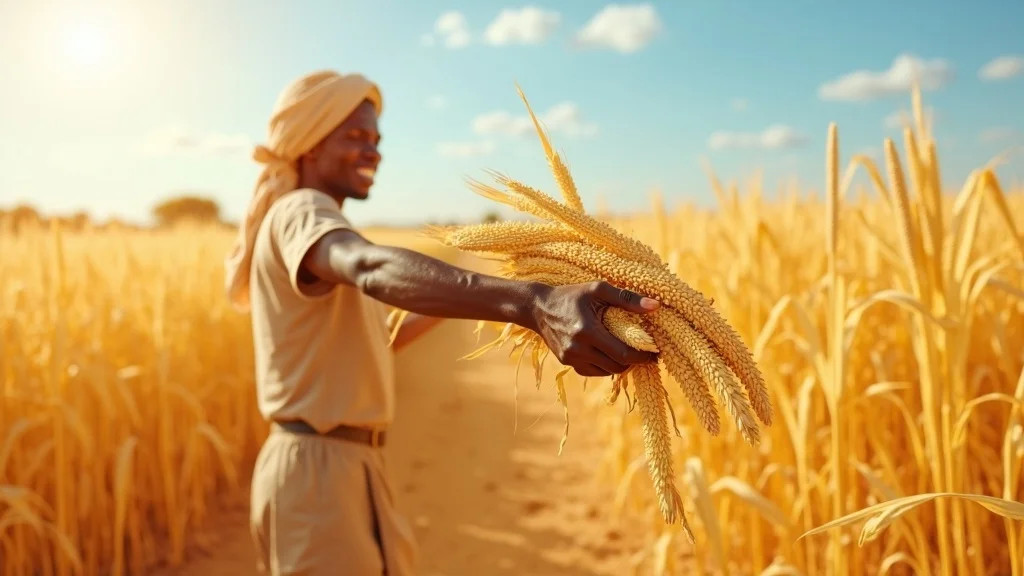
One of the most visible examples of genetically modified organisms helping to address human health concerns in Africa is golden rice—engineered to be rich in vitamin A. With chronic malnutrition and stunting affecting millions of African children, golden rice offers a compelling intervention, and various field trials have been conducted or proposed in countries such as Nigeria and Ghana. Strong proponents argue that when paired with community education and supportive regulatory frameworks, golden rice and similar gm foods could save lives and unlock children’s potential.
Yet, golden rice is also emblematic of enduring skepticism around GMOs; opponents question its cultural fit, the possible unintended effects, and the influence of global biotech interests. Regulatory authorities in Africa remain cautious, with most requiring long-term safety trials and public consultation before authorizing widespread use. The journey of golden rice underscores how deeply cultural and ethical considerations remain embedded in any discussion of gmo policy regulations africa, even when the humanitarian stakes are as high as addressing blindness and undernutrition.

“Genetically modified and edited crops have offered solutions, but cultural, legal, and ethical considerations remain deeply contentious in most African regions.”
Lists: Major Factors Shaping GMO Policy Regulations Africa in 2026
- Public perception and societal trust in genetically modified technologies
- Regulatory capacity and resources of African governments
- Influence from global partners (United States, EU, biotech companies)
- Climate change and food security imperatives
- Cultural and ethical opposition to genetically modified organisms
The South African Framework: Genetically Modified Organisms Act and Regulatory Oversight
Key Provisions: How the GMO Act Shapes Policy Regulations Africa-Wide
South Africa’s Genetically Modified Organisms Act—passed in 1997—is a landmark in African gmo policy regulations, laying out precise protocols for the research, approval, and commercialization of both gm crops and edited crops. The act requires thorough risk assessment, transparency in stakeholder engagement, and ongoing compliance monitoring. Its implementation set a benchmark for the rest of the continent—so much so that several neighboring countries have modeled their own biosafety legislation on South Africa’s regulatory framework.
Not surprisingly, the Act is not without controversy. Critics highlight the potential for regulatory capture by multinational seed companies, the challenge of ensuring adequate local oversight, and the gap between legal theory and practical support for farmers. Nevertheless, the South African model remains widely studied, as it directly addresses key concerns around biosafety, public health, and the environmental impact of new technologies, providing a foundation for future harmonization of African biosafety standards.

South African Innovation: Gene Editing and Advanced Modified Crops
Innovation in gene editing is one area where South African scientists are pushing boundaries. While most African regulatory authorities are still grappling with how to handle edited crops, South Africa has established a pathway for approving CRISPR-based modifications, provided they meet biosafety criteria. The country’s ag-tech startups and research institutions are piloting drought-resistant wheat, biofortified maize, and pest-resistant varieties—showcasing what Africa could achieve with the right blend of policy vision and scientific investment.
Importantly, South Africa’s experience with gene editing is closely watched by others wary of the pitfalls of rapid adoption. The lessons from regulatory oversight and stakeholder consultation could guide african countries looking to leapfrog older GMOs towards next-generation technology, boosting food resilience while navigating an increasingly complicated policy context.
Spotlight on Regulatory Outliers: Ethiopia, Kenya, and Tanzania
Genetically Modified Organisms in Kenya: Shifting Gears in 2026
Kenya’s story is one of cautious but accelerating movement. After lifting strict import moratoriums in 2022 and 2023, the country has rapidly moved toward field trials and conditional releases of genetically modified maize and cotton. The National Biosafety Authority plays a central role, with growing investment in risk assessment frameworks and engagement with local communities. Kenyan scientists at the frontlines of these trials are hopeful; they see gene editing as a way to address persistent yield gaps and climate threats.
Public debate in Kenya is vibrant. Some civil society and religious organizations continue to express concern, citing unaddressed health and environmental questions. Despite these challenges, Kenya’s reforms reflect a growing consensus in East Africa that smart, transparent regulation—fully engaging with public opinion—is critical for achieving both technological progress and societal acceptance. This balancing act suggests Kenya will remain a key bellwether for gmo policy regulations africa in the coming decade.
Modified Organisms and Bans: Ethiopia and Tanzania’s Cautious Path
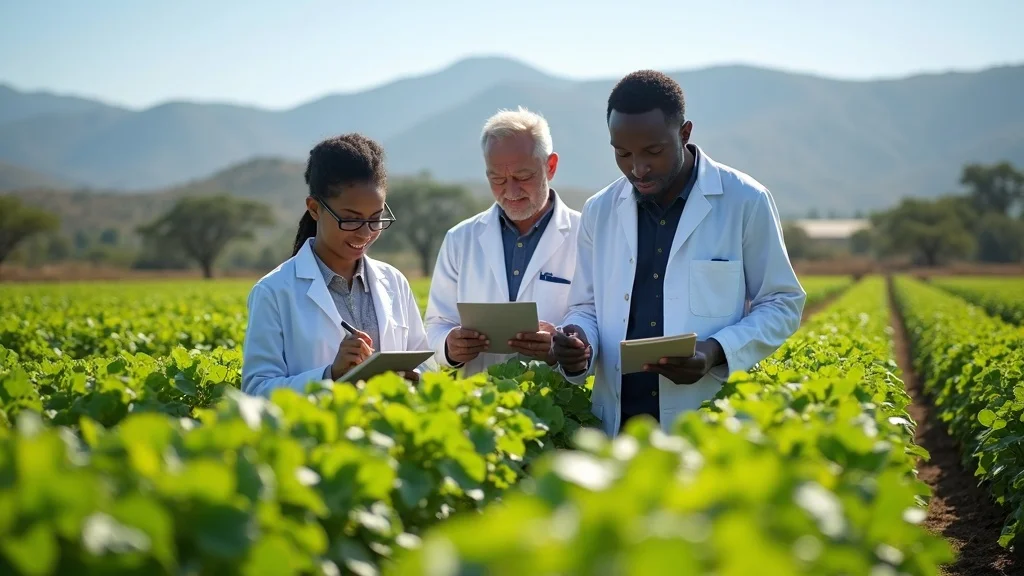
Whereas Kenya is forging ahead, Ethiopia and Tanzania remain deeply cautious. Ethiopia continues to limit genetically modified organisms to controlled research only, maintaining commercial bans and subjecting every edited crop proposal to protracted scrutiny. Public engagement there repeatedly reveals broad skepticism about global market motives, an emphasis on national food sovereignty, and wariness over inadequate regulatory resourcing.
Tanzania, meanwhile, has taken an even stricter stance: an ongoing moratorium since 2018 bans all GMOs and related gene-edited products, citing unresolved risks related to environmental management and the protection of traditional farming. These positions underscore how, for some African nations, caution, cultural values, and concern for autonomy remain paramount, even as food and climate pressures intensify debate across the continent.
People Also Ask: Which African Countries Have Banned GMOs?
Which African countries have banned GMOs?
Answer: Several African countries, including Algeria, Madagascar, and Zimbabwe, have explicit bans on the cultivation or import of genetically modified organisms, while others maintain strict regulatory moratoriums pending further safety and environmental reviews.
Under which act are GMOs regulated in South Africa?
Answer: GMOs in South Africa are regulated under the Genetically Modified Organisms Act of 1997, which provides the legal framework for research, release, and commercialization of modified organisms and gene editing technologies.
Why might African nations be restricting the distribution of GMOs?
Answer: Many African nations limit GMOs due to concerns over food sovereignty, cultural values, environmental impacts, limited regulatory infrastructure, and uncertainties about long-term health effects of genetically modified crops.
Who regulates GMO in Nigeria?
Answer: Nigeria’s National Biosafety Management Agency (NBMA) oversees GMO policy regulations, risk assessments, and the release of genetically modified organisms and gene editing products.
Regulatory Challenges: Balancing Innovation with Risk in GMO Policy Regulations Africa
Uncertain Pathways: Gene Editing, Edited Crops, and the Changing Policy Landscape
Africa stands at a crossroad: gene editing and edited crops could unlock answers to persistent agricultural woes, yet the regulatory landscape is more fragmented than ever. While south african scientists set precedents in both gm crop and edited crop protocols, many African countries lag behind, encumbered by slow policy cycles, insufficient risk assessment tools, and frequent leadership changes that derail progress. As of 2026, the need for harmonized, continent-wide biosafety standards has never been more urgent. Industry advocates warn that without clear regulations, Africa risks falling further behind global leaders like the United States in both innovation and regional trade.
The challenge, then, is finding the right balance between promoting innovation and protecting sovereignty, culture, and health. This calls for ongoing dialogue among policymakers, farmers, scientists, and civil society—and robust investment in regulatory training and transparency. The fate of gene editing and, more broadly, modern agricultural biotechnology, will depend on whether gmo policy regulations africa can adapt at the speed of science, while retaining legitimacy in the eyes of a vigilant public.
FAQs About GMO Policy Regulations Africa and Genetically Modified Organisms
- How do policies differ between genetically modified and gene edited crops?
Policies are generally more established for genetically modified (transgenic) crops, with explicit rules on approval and labeling. Gene edited crops, by contrast, inhabit a gray area—some countries treat them as GMOs, while others (notably South Africa) propose streamlined evaluations if no foreign DNA is introduced. This divergence leaves much still undecided at the continental level. - What are the top challenges for regulatory authorities in Africa?
Regulatory authorities struggle with limited resources, political interference, and a lack of harmonized standards for gm crops and edited crops. Recruiting and retaining biosafety experts, keeping pace with scientific advances, and earning public trust are all ongoing hurdles. - Are there trade restrictions on genetically modified organisms within Africa?
Yes, intra-African trade in GMOs is fraught with complexity. Even where one country allows commercial cultivation or import, neighboring states may prohibit it, leading to border inspections, confiscations, or outright bans. Regional frameworks, such as those under the African Union, are still in early stages of harmonization.
Key Takeaways on GMO Policy Regulations Africa in 2026
- GMO policy regulations vary widely across Africa, with only a handful of countries allowing full adoption of genetically modified organisms.
- Gene editing offers new opportunities but faces similar regulatory and societal scrutiny.
- Regulatory harmonization and capacity building remain critical for addressing both risks and opportunities.
- South Africa, Nigeria, and Kenya are shaping continental leadership, but cultural divides are deep and ongoing.
A Critical Look Forward: What the Future Holds for GMO Policy Regulations Africa
“The fate of GMO policy regulations Africa will be written not just in policy documents, but in the fields, markets, and hearts of 1.4 billion Africans.”
Looking ahead, gmo policy regulations africa will be defined by whether countries can bridge divides—between enabling innovation and protecting heritage, between regional harmonization and national autonomy. Africa’s agricultural future hangs in the balance, with every regulatory decision resonating from the corridors of government to the smallest village field.
Continue the Conversation: Share Your Perspective on GMO Policy Regulations Africa
How do you see the future of genetically modified organisms and gene editing in Africa? What role should national governments, farmers, and global partners play? Join the dialogue! Share your perspective below or connect with us on social media to keep the conversation moving forward.