Hook: Did you know that less than 20% of African farmers have access to any form of crop insurance—leaving countless families exposed to the full force of climate shocks, failed harvests, and financial ruin? As unpredictable weather becomes the new normal, agricultural insurance policy in developing countries stands as one of the most pressing—but unresolved—challenges for global food security. This article dives deep into what’s working, what’s failing, and asks: are governments really doing enough to protect their most vulnerable farmers?
A Startling Reality: The State of Agricultural Insurance Policy in Developing Countries
Agricultural insurance is intended as a safety net for millions of smallholder farmers grappling with droughts, floods, and fluctuating markets. Yet, in much of the global South, effective coverage remains elusive. Whether due to the high cost of insurance, limited public awareness, or the fragmented insurance market, uptake lags far behind what is needed for true risk management. Developing countries face distinct challenges: climate change increases agricultural risk, while government and private sector innovation struggle to keep up. The average yield losses in regions like Sub-Saharan Africa and South Asia can be devastating, and for many, there simply is no insurance payment when disaster strikes.
Crop insurance is a lifeline that too often fails to reach its audience, whether due to adverse selection, lackluster insurance product design, or weak infrastructure for distributing policies. In these environments, traditional insurance programs are costly and struggle with the dual threats of moral hazard and inaccurate weather data. As a result, entire communities face significant basis risk: the difference between real loss and what’s compensated by insurance. This stark gap between promise and reality highlights the urgent need for policy transformation in agricultural insurance policy developing countries.
Unpacking the Shocking Data: How Many Farmers Lack Crop Insurance?
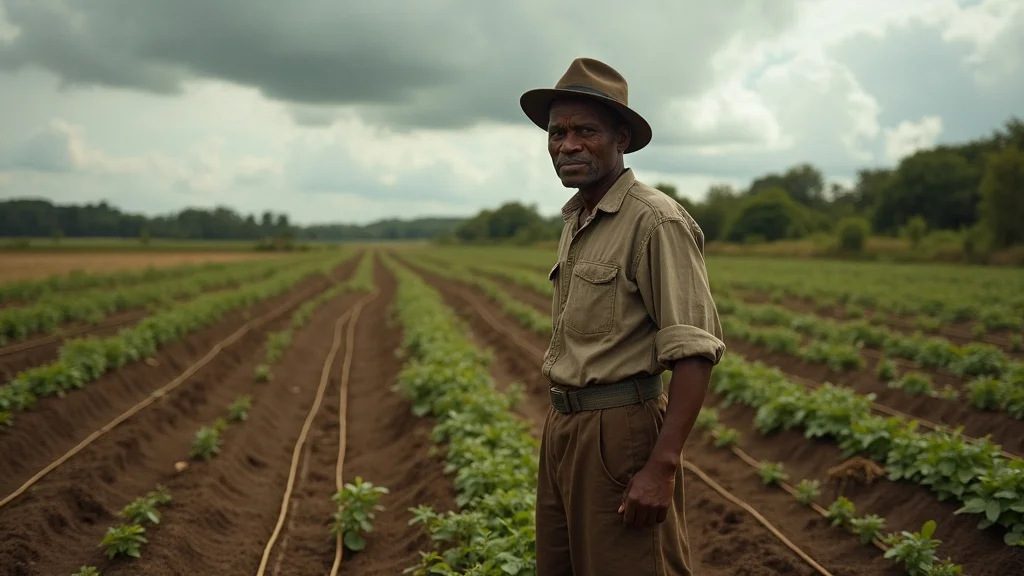
The numbers paint a grim picture. Across developing countries, it’s estimated that over 80% of smallholder farmers operate without any active crop insurance or effective index insurance. In Africa alone, according to the Food and Agriculture Organization, fewer than one in five farmers are covered by any insurance programs—leaving the vast majority exposed to climate-driven losses. Most are forced to shoulder the risk themselves, often resulting in cycles of debt, land degradation, or migration when crops fail. The lack of broad insurance coverage severely undermines rural economies and perpetuates poverty throughout the agricultural sector. Without robust insurance products, each disaster makes it harder for farmers to recover, invest, and thrive.
This coverage gap stems from multiple issues: the cost of insurance is often too high for low-income farmers; insurance markets are underdeveloped; products are not tailored to diverse local needs; and governments often lack the resources or political will to subsidize real solutions. Where policies and support exist, implementation is patchy and accessibility is limited. The result is persistent vulnerability, where risk management is more theoretical than practical for millions in the agricultural sector.
Why Agricultural Insurance Policy Developing Countries Is More Critical Than Ever
The world is witnessing an age of climatic extremes—longer droughts, severe floods, and ever-shifting weather patterns. For smallholder farmers in developing countries, whose livelihoods depend on staple crops, this new volatility is an existential threat. Here, risk management is not optional; it’s a matter of survival. As global food demand rises, agricultural production in these nations becomes even more essential, placing higher stakes on the resilience of rural families. Agricultural insurance policy developing countries is more than just a financial tool; it represents a safety net and a development imperative. If governments do not address policy gaps, the likely outcome is not just local hardship, but global food insecurity.
International organizations such as the World Bank and various research institutes repeatedly stress that modernizing agricultural insurance is pivotal for stability and growth. Yet, despite their guidance and funding, progress remains frustratingly slow. Index insurance and agricultural index insurance are often cited as promising answers, but adoption is limited. As disasters increase in frequency and scope, the urgency for effective government action grows. Without immediate innovation and targeted investment in insurance programs, the risk landscape for farmers remains dangerously unchanged.
What You’ll Learn About Agricultural Insurance Policy Developing Countries
- The true scope and shortcomings of agricultural insurance in developing countries
- How index insurance is reshaping risk management for smallholder farmers

- What governments are doing—and what they should do—to make agricultural insurance more effective
Defining Agricultural Insurance and Index Insurance in Developing Countries
Agricultural insurance and, more recently, index insurance are evolving instruments for managing the unique risks faced by farmers in resource-constrained settings. These insurance products can act as vital safety nets, protecting incomes and allowing communities to invest in more productive technologies. The right insurance policy can support economic development far beyond the farm, but definitions and mechanisms vary widely.
Traditional crop insurance pays out when a farm’s harvest falls below a certain average yield, but these schemes are often hampered by high administrative costs and fraud risk (moral hazard). Meanwhile, index insurance is based on measurable factors such as rainfall, soil moisture, or even remote sensing—a major development for countries with limited on-the-ground resources. As acceptance grows, so does the need for clear, accessible information so that governments and farmers alike can make informed choices around agricultural index insurance.
What Is Crop Insurance?
Crop insurance is a financial contract designed to compensate farmers when natural hazards or unpredictable events, like drought or pest outbreaks, drastically reduce their crop yield. In most developing countries, the model is typically an indemnity-based insurance contract—meaning payments are triggered when actual losses are verified. While this approach has worked in the largest crop insurance programs of wealthier nations, it has not translated efficiently to low-resource settings. High basis risk and the administrative challenge of measuring loss on millions of small plots limit its effectiveness.
This traditional model also struggles with adverse selection and moral hazard. Farmers who know their risk is high are more likely to buy insurance, while the difficulty of monitoring claims can drive up costs. Without government intervention, the cost of insurance remains out of reach for most farmers. There is an increasing demand for policies that offer reliable payouts without imposing administrative burdens—laying the groundwork for newer insurance products like agricultural index insurance.

The Rise of Index Insurance and Agricultural Index Insurance
Index insurance represents a turning point for the insurance market in developing countries. Rather than indemnifying individual claims, index-based policies trigger payouts based on predefined metrics—such as rainfall measured at a local weather station or satellite-derived weather data. This system drastically reduces the administrative burden and cost of insurance because payouts are automatic when measurement thresholds are crossed. Drought, flood, or abnormal temperature patterns can activate payments, providing a more scalable safety net for rural communities.
Despite the promise, index insurance and broader agricultural index insurance products also introduce basis risk: if the trigger doesn’t correspond precisely to a farmer’s actual loss, coverage may feel unreliable. However, with increasing accuracy in remote sensing and modeling, many governments and NGOs view index-based products as the best path to rapidly expanding genuine insurance coverage—especially in places where classic verification is too expensive or impractical.
How Current Agricultural Insurance Policy Works in Developing Countries
The landscape of agricultural insurance policy developing countries is a patchwork, where government programs, private insurers, and international partners coexist. Most traditional insurance programs, where they exist, are subsidized—covering partial premiums or partnering with NGOs. Some nations offer public-private partnerships to create hybrid insurance markets, yet many of these initiatives are underfunded and rarely reach more than a tenth of eligible farmers.
A few countries have piloted index insurance at regional or national scales, often backed by the World Bank or regional development banks. However, the shift from experimental pilot to mainstream product remains incomplete. Insurance contract designs face practical and cultural barriers—farmers often distrust insurance, or cannot access it due to cost, complex terms, or lack of infrastructure. The cost of insurance, limited coverage for highly localized risks, and poorly-tailored insurance products all hinder consistent results and stall market growth at scale.

Government-Supported Agricultural Insurance: An Overview
Governments play a central role in shaping the insurance market for agriculture. In most developing countries, involvement ranges from subsidizing premiums and setting policy regulations to running state-backed insurance programs. The rationale is simple: governments are the ultimate backstop when disaster strikes, so promoting a healthy crop insurance program helps limit broader economic fallout. Unfortunately, with constrained budgets and competing policy priorities, many nations struggle to build robust or sustainable programs.
Some governments, with World Bank assistance, have experimented with market-based insurance products, offering technical support and sharing data for agricultural index insurance pilots. While these programs show promise, success is often local or region-specific and does not yet scale up to national coverage. Where programs are effective, there is usually a conscious effort to address information gaps, subsidize initial costs, and ensure that insurance policies fit the real risks faced by smallholder farmers.
Models and Challenges: Traditional vs. Index Insurance
Traditional crop insurance offers coverage for direct losses, but is plagued by high costs and inefficiencies such as moral hazard (insured farmers may take greater risks) and adverse selection (only high-risk farmers sign up). On the other hand, index insurance sidesteps many of these pitfalls by relying on objective external data for triggers, making coverage cheaper (lower cost) and less prone to fraud. However, it introduces its own challenge: basis risk means not every farmer in distress gets paid if the external index hasn’t reached the required threshold, even if their actual crops are lost.
Additionally, both systems face limited trust and awareness among farmers. Accessibility issues—such as literacy barriers and the physical distance to insurance outlets—further restrict the uptake of both insurance products. For either approach to succeed, solutions must be rooted in local realities, integrating technology like remote sensing, fostering education around insurance contracts, and providing government-backed subsidy programs to make premiums affordable.
Risk Management: Addressing the Unique Needs of Developing Countries
For millions of smallholder farmers, risk is part of daily life. Drought, price shocks, disease, and flood all combine to create a volatile environment in which a single bad season can spell disaster. Risk management tailored for developing countries must address the complex interplay between natural hazards, poverty, and the ability to recover or adapt. Agricultural insurance policy developing countries is the linchpin for stabilizing families in the face of climate uncertainty, yet most risk management strategies are still underdeveloped or out of reach for poorer farmers.
When agricultural insurance is absent or unreliable, coping mechanisms are painful—families sell livestock, send children to work, or abandon their land. The challenge is designing insurance programs and policies that are both affordable and relevant, while ensuring fast and fair insurance payment for genuine losses. Increasingly, index insurance and data-driven innovations provide hope that more resilient risk management is possible for those who need it most.

Why Risk Management Fails Without Robust Agricultural Insurance
At the core of failed risk management in developing countries is the absence of widespread, reliable agricultural insurance. When farmers cannot count on a safety net, they remain conservative, invest less in yield-enhancing technologies, and are more likely to entrenched in cycles of poverty. The lack of insurance exacerbates vulnerability to agricultural risk, as coping strategies—such as selling assets or cutting essential expenditures—can make families even less resilient to future shocks.
Proper risk management requires not just insurance coverage but insurance programs that are well integrated into rural finance, agricultural extension, and climate adaptation policies. Unfortunately, many government schemes are piecemeal and do not address the underlying basis risk or structural inequalities that keep farmers from accessing meaningful solutions. It’s this systemic failure that perpetuates the crisis in rural economies across developing regions.
List: Major Risks Faced by Smallholder Farmers in Developing Countries
- Climate-related: drought, flood, unpredictable rainfall, storms.
- Biological: pest outbreaks, crop and livestock disease.
- Market: falling prices, input cost surges, trade disruptions.
- Socioeconomic: land tenure disputes, labor shortages, poor infrastructure.
“Only 20% of African farmers have access to agricultural insurance, leaving millions vulnerable to climate shocks.” – Food and Agriculture Organization
Agricultural Index Insurance: Success Stories and Remaining Hurdles
While the promise of agricultural index insurance is clear, so too are its limitations. Some countries have achieved remarkable progress: Kenya’s Index-Based Livestock Insurance program, for example, has reached tens of thousands, reducing livestock losses and stabilizing incomes. India’s expansion of weather-based crop insurance now impacts millions of farmers, despite ongoing issues with basis risk and regional inequalities.
Yet, for each success, there remain hurdles of scale, education, and inclusion. Many pilots falter when international funding ends, and policies often fail to serve the most marginalized farmers. The lesson is that a one-size-fits-all approach won’t work. Instead, robust regulatory frameworks, digital outreach, and strong local partnerships are essential for moving from pilot to national scale in agricultural index insurance programs.
Case Study Table: Countries Leading in Agricultural Index Insurance
| Country | Type of Index Insurance | Key Features | Scale/Outreach |
|---|---|---|---|
| Kenya | Index-Based Livestock Insurance | Satellite monitoring, fast payouts | Over 20,000 pastoralists |
| India | Weather-Based Crop Insurance | Linked to rainfall, government-subsidized | 30+ million farmers |
| Mexico | Catastrophe Agricultural Insurance | Regional indices, disaster-triggered payments | Nationwide coverage |
| Ethiopia | Weather Index Insurance Pilot | Community-based design, micro-insurance | Thousands of smallholders |

Government Initiatives and Policy Gaps in Agricultural Insurance Policy Developing Countries
Governments play a pivotal role in making agricultural insurance policy developing countries workable. Many are scaling up insurance programs through partnerships with regional banks, NGOs, and the private sector. Subsidizing premiums, integrating insurance products with credit, and promoting digital registration systems are becoming more common. Yet, even these positive steps leave gaps, especially for remote and high-risk communities.
Policy gaps persist not only due to limited budgets, but also because of disconnects between local realities and centralized policy-making. Insurance policies that ignore farm-level diversity or local weather patterns suffer from basis risk and poor uptake. Lasting improvements will require meaningfully engaging local stakeholders and deploying tailored products for different farmer groups—something that most governments have yet to achieve at scale.

What Are Governments Currently Doing to Promote Crop Insurance?
Across developing countries, governments use a variety of approaches to boost crop insurance. The most common is premium subsidies, designed to lower the entry barrier for smallholder farmers. Some nations offer regulatory support, licensing private insurers, and ensuring that insurance markets are competitive and accessible. Pilot projects in agricultural index insurance often receive technical backing from institutions like the World Bank and research institutes.
Despite these efforts, outreach is mixed and far from universal. In some countries, eligibility criteria are so restrictive that only larger or better-off farmers qualify for government support. Elsewhere, administrative hurdles or lack of digital infrastructure prevents efficient registration and claims processes. The upshot is a continued chasm between ambitious policy goals and the lived realities of rural families seeking meaningful insurance coverage.
List: Policy Gaps Hindering the Effectiveness of Agricultural Insurance Policy in Developing Countries
- Insufficient government funding for subsidies or outreach
- One-size-fits-all insurance contract design ignores local realities
- Weak enforcement of regulations, leading to low-quality products
- Inadequate data for tailoring index insurance to real risks
- Lack of farmer education and trust in the insurance market
Innovations in Index Insurance and Agricultural Index for Developing Countries
Technology is fast reshaping what’s possible for agricultural index insurance. Advances in remote sensing, big data, and mobile payment platforms now enable insurers to accurately map crop failures, process claims automatically, and reach farmers in isolated areas. Startups and established providers alike are piloting digital insurance products powered by real-time weather data, satellite imagery, and blockchain contracts to boost transparency and trust.
The key benefits? Lower cost, reduced basis risk, and far greater reach—making it possible to offer custom solutions for different crops, climates, and risk profiles. These shifts are making insurance coverage less of a luxury and more of a standard tool for risk management in the agricultural sector.
Tech-Driven Transformations in Index Insurance
From advanced satellites that monitor local rainfall to smartphone apps that deliver instant claim settlements, index insurance is undergoing a quiet revolution. Providers now use real-time weather data, soil moisture sensors, and digital platforms to design and manage insurance products—a step-change for farmers historically excluded from insurance coverage in developing countries. This new generation of agricultural index insurance not only tackles administrative hurdles, but also increases data quality, enabling better calibration and responsiveness.
These innovations are complemented by partnerships across the tech and agricultural spectrum. Remote sensing startups, local farmer cooperatives, and global NGOs work together to roll out pilots at scale, often focusing on women and marginalized groups. The ultimate challenge remains making these products universally affordable and universally trusted—a test for both the public and private sectors as digital transformation accelerates.

How Agricultural Index Insurance Can Scale to Reach More Farmers
Scaling agricultural index insurance in developing countries will depend on strong policy leadership and active support from both public and private sectors. The use of digital platforms for registration, claim settlement, and ongoing education is vital. Combining mobile money integration, broader internet access, and partnerships with established agri-cooperatives will help break the longstanding barriers that keep coverage low. Targeted government support, such as smart subsidies and regulatory reform, is needed to ensure that smallholder farmers, not just commercial operators, benefit.
Furthermore, designing insurance products that are transparent and adaptable to climate change is crucial. Involving farmers in the development process, maintaining open communication, and integrating feedback into product tweaks create trusted, functional safety nets. If these lessons are applied, the reach of agricultural index insurance could expand exponentially, helping millions weather the storms ahead.
People Also Ask: Key Concerns About Agricultural Insurance Policy in Developing Countries

[[paa]]
Answer: Detailed, opinionated answer based on current research and expert commentary, incorporating ‘agricultural insurance policy developing countries’ and relevant competitor/NLP keywords.
In evaluating agricultural insurance policy developing countries, most experts agree that significant barriers remain. Government policies often lag behind the real needs of rural communities, failing to account for localized climate risks and the true cost of insurance. While index insurance has made inroads, basis risk—the disconnect between the index and actual losses—remains a central challenge. Innovations in remote sensing and digital payment systems are promising, but unless governments invest in robust regulatory frameworks, ensure fair subsidy distribution, and partner with farmer-led organizations, adoption will continue at a slow pace. Ultimately, a mix of affordable, locally grounded insurance products and broad-based government leadership is the best bet for scaling effective risk management across developing economies.
FAQs on Agricultural Insurance Policy in Developing Countries
- What is the difference between crop insurance and index insurance?
Crop insurance pays out when verified, physical losses are assessed on a farm, often plagued by high costs and slow claims. Index insurance, however, pays out automatically when an external metric (like rainfall or temperature) exceeds a threshold. The latter is faster and cheaper, but introduces basis risk if the index doesn’t fully reflect real losses. - How can governments make agricultural insurance more accessible?
Governments must streamline registration using digital tools, subsidize premiums for the poorest, invest in farmer education, and encourage private sector participation. Integrating insurance with other farm services (like input credit) can boost uptake and trust. - Which developing countries have the most effective agricultural insurance policies?
India, Kenya, and Mexico have achieved the broadest outreach with innovative agricultural index insurance and robust government support, though each still faces scaling challenges, especially for marginalized groups. - What risks are covered under agricultural index insurance?
Typically, index insurance covers weather-related risks including drought, flood, excess or deficit rainfall, and sometimes temperature extremes. Newer products are being designed for pest outbreaks and even commodity price shocks.
Key Takeaways on Agricultural Insurance Policy Developing Countries

- Most farmers in developing countries remain uninsured despite high exposure to agricultural risks.
- Government support is uneven and often fails to address local realities.
- Investment in index insurance and agricultural index products is essential to expand real coverage.
Reader Engagement: Share Your Perspective on Agricultural Insurance Policy Developing Countries
How do you feel about the state of agricultural insurance policy developing countries? Do you think governments are doing enough—or should innovation and investment go further? Share your thoughts below—your insights are vital for shaping the future of rural resilience across the globe.