
Did you know that agriculture uses up to 80% of available water resources in the western United States—yet many farmers are at risk of losing access due to fierce legal battles and ever-changing water laws? Every forkful of food on your plate is deeply connected to the ongoing policy debates over water rights. For American farmers and everyone who relies on a stable food supply, the struggle to secure water for agriculture has reached a turning point—one that will not just shape crops, but the very future of our food system. This article breaks down the foundational concepts, recent reforms, and the high-stakes disputes shaping water rights agriculture policy—and spotlights the critical voices and choices ahead.
What You’ll Learn About Water Rights Agriculture Policy and Current Policy Battles
- The foundational concepts of water rights and agriculture policy in the United States
- Recent water law reforms and their implications for farmers
- Key water rights disputes in the Colorado River basin
- How climate change is influencing agricultural water access
- Opinionated perspectives on policy solutions impactful for American agriculture
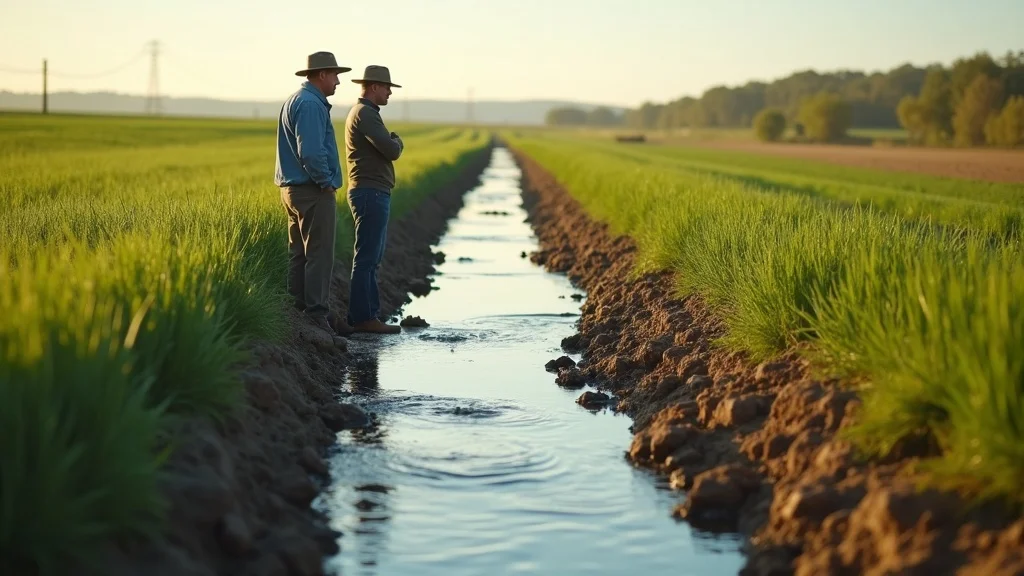
A Startling Reality: How Water Rights Shape Agriculture Policy in the United States
Exploring the Link Between Water Rights and Agricultural Sustainability
Water rights are the cornerstone of agricultural sustainability—and nowhere is this more visible than in the western United States. Here, farmers depend on complex arrangements that dictate who gets what share of rivers, reservoirs, and aquifers. The allocation of agricultural water does not just affect local fields, but ripples out to determine food security, economic stability, and rural futures across the nation. With up to 80% of water resources allocated for food production, any policy shifts or disputes over these rights can create system-wide consequences, impacting not just farms but also the consumers who depend on steady food supply and reasonable food prices.
A single drought, a contested water rule, or a new piece of water law can suddenly leave entire farming communities without the water they need to survive, making water res management an ever-present concern. As climate change intensifies and the Colorado River teeters at historic lows, policy disputes only grow more urgent—forcing both farmers and policymakers to reevaluate how water rights are managed and distributed. These shifting sands are prompting new approaches to resource management and agricultural planning, which have broad implications for anyone invested in a secure, productive food future in the United States.
“In the western United States, agriculture consumes up to 80% of all water resources, yet farmers face escalating challenges in securing these allocations.”
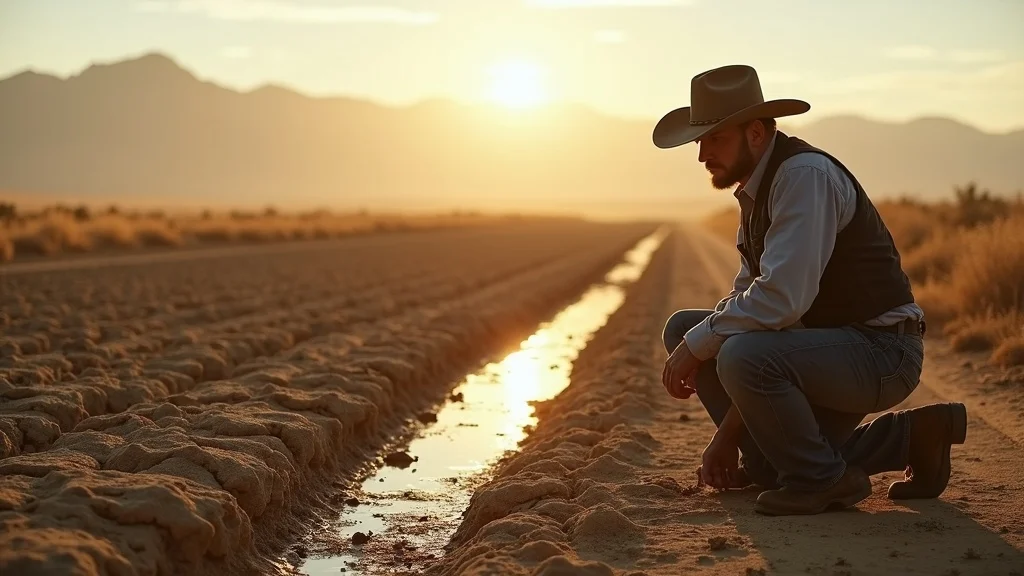
The Basics: Water Rights Agriculture Policy and Water Law Foundations
Defining Water Rights in the Context of Agriculture
Water rights determine who can use which water resource, when, and how. These rules are not uniform—each state water system has its own blend of legal doctrines and historic practices. In the context of agriculture, a property owner or farmer’s right to divert, store, or use water is typically governed by state water codes, which may prioritize certain water users over others. For example, surface water from streams or rivers is often subject to allocation based on formal water rights records or permits, while groundwater may have a different set of rules entirely.
In states where agriculture dominates, water rights agriculture policy is more than paperwork—it’s a lifeline for farmers whose entire livelihoods depend on stable water access. This has led to legal traditions such as riparian rights (common in wetter regions) and prior appropriation (common in the arid West), each with consequences for new and existing farms. The distinctions and hierarchies established by water law influence everything from farm investment to generational planning, often setting up fierce competition between agricultural water users, urban communities, and environmental interests.
A Historical Look at Water Law, Surface Water, and Prior Appropriation
America’s water law history reflects the country’s diversity in climate and settlement patterns. In the East, the riparian rights doctrine reigns, giving property owners adjacent to water the right to reasonable use, as long as they don’t harm other users. In the arid western states, the doctrine of prior appropriation emerged in the 19th century to address the reality that not all landowners have ready access to surface water. The famous phrase, “First in time, first in right,” means whoever first put the water to beneficial use—usually for farming—maintains those rights, even if they’re miles from the source.
These historic doctrines have created a patchwork of relative rights, property owners competing for allocations, and ongoing legal battles. To further complicate matters, modern water management often overlays permit-based systems on top of older doctrines, especially as new water conservation technologies and environmental regulations come into play. Across the United States, these evolving rules shape ongoing conflicts, litigations, and even real estate values for both established operations and new agricultural ventures.

Understanding Water Resources Management in U.S. Agriculture
Effective water resources management in U. S. agriculture requires balancing economic productivity, environmental considerations, and the diverse interests of water users. State and local water management agencies administer these policies through permits, monitoring, and periodic reallocations. In regions like California’s Central Valley and the Great Plains, intensive irrigation means water usage often exceeds natural recharge, prompting calls for stricter limits on both groundwater and surface water.
Farmers must navigate a thicket of water law regulations, including conservation mandates and quality controls such as the Clean Water Act. Because legal precedents and administrative rules evolve over time, understanding the fundamentals of water rights agriculture policy isn’t just a matter for lawyers—it’s essential for every agricultural producer and property owner. As new technologies—from water-saving irrigation to remote sensing of water use—enter the field, robust management systems become critical to maximizing both water supply and water quality for everyone involved.
| System | Main Regions | Who Gets Water? | Key Limitations | Relevance to Agriculture |
|---|---|---|---|---|
| Riparian Rights | Eastern U.S. | Landowners next to water source | Must not unreasonably harm others; tied to land ownership | Less applicable in arid regions; share-based allocation |
| Prior Appropriation | Western U.S. | First to use for “beneficial use” | “First in time, first in right”; can lose rights if unused | Critical in irrigated agriculture, leads to senior-junior disputes |
| Permit-Based Systems | Mixed; often overlays old systems | Users with valid permits | Can be revoked, time-limited, subject to state rules | Increasingly used for groundwater or over-allocated areas |
Key Water Rights Agriculture Policy Battles in the Western United States
The Colorado River Case Study: Water Rights, Agriculture Policy, and State Conflicts
The Colorado River basin stands as America’s most critical front in the battle over water rights agriculture policy. More than 40 million people and millions of acres of farmland depend on this lifeline, which courses through seven U. S. states and Mexico. Yet, over-allocation, growing urban demands, and climate-fueled droughts have pushed water res conflicts to the brink. Each basin state fiercely protects its existing water rights, with agricultural users often at the center of high-profile legal and interstate disputes. The interplay between historic agreements—like the Colorado River Compact—and new environmental requirements leaves farmers navigating a minefield of shifting regulations, uncertainty, and at times, outright water shortages.
Farmers within the basin face difficult choices: adapt their water usage, invest in more efficient technology, or battle for priority status under the prior appropriation doctrine. These stresses are only compounded by the fact that courts and regulatory bodies continually revisit the terms of distribution, sometimes cutting allocations even to long-established agricultural users. As water users across the western United States wait for each new ruling, the Colorado River case serves as a national lesson in the importance of modernizing water rights agriculture policy to reflect today’s realities.
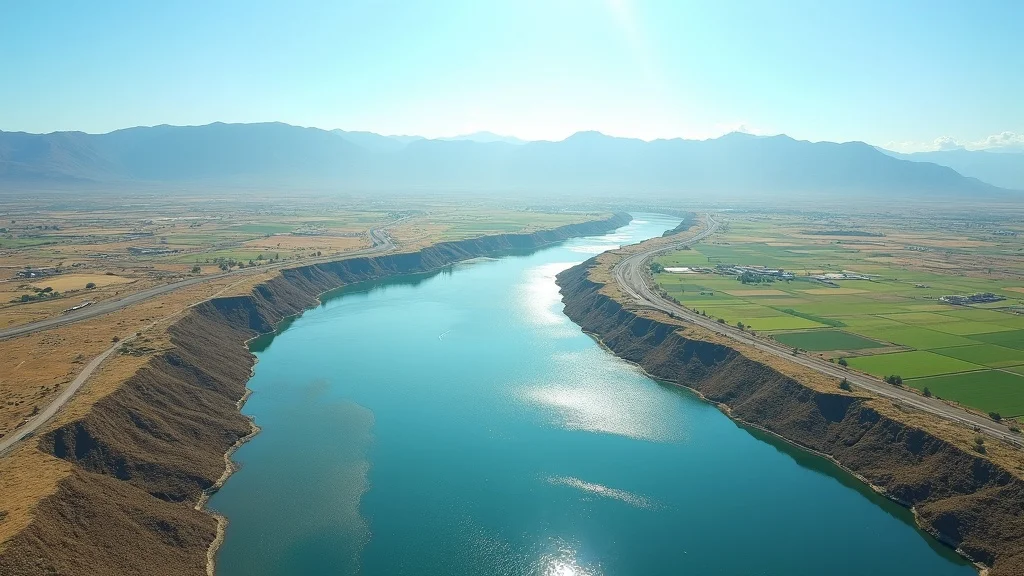
Surface Water Allocation: Strained Resources in the Western United States
Surface water allocation in the western United States is among the most contentious issues in U. S. agriculture today. Limited rain and unpredictable snowmelt mean that farmers, cities, and industries depend on streamflows governed by complex water law systems. As drought intensifies across the West, older allocations made under “wet” assumptions are proving unsustainable, forcing periodic reallocation and rationing. In places like California, Arizona, and New Mexico, fierce competition for each drop of agricultural water brings old water rights holders into direct conflict with newer water users and urban communities.
The decline of water source reliability has accelerated legal battles over relative rights, with courts often called on to interpret century-old doctrines in light of today’s scarcity. This has also given rise to “water banking” and market-based solutions, which sometimes allow users to buy, sell, or lease water allocations—although such tools are highly controversial when food supplies and rural economies are on the line. Strained surface water systems now demand both legal flexibility and innovative resource management, or risk jeopardizing the West’s agricultural productivity for generations to come.
Prior Appropriation: Why ‘First in Time, First in Right’ Still Matters
The prior appropriation doctrine is the backbone of water rights in the West—dictating that the earliest claims (“senior rights”) are filled before any junior water rights holders, regardless of changing populations or economic needs. In periods of shortage, this “first in time, first in right” rule can leave entire farming communities dry if they have lower-priority rights, even as neighboring areas continue to irrigate. For agricultural producers, this doctrine is both a shield and a sword, protecting longstanding operations while sometimes locking out innovative new farms attempting to break into the market.
The staying power of prior appropriation is increasingly tested by changing water usage patterns, climate change, and calls for equitable water allocation. As demands for water conservation and clean water quality intensify, policymakers face tough choices: Should historical rights always prevail, or should policy evolve to reflect current and future needs? The ongoing tension speaks to the deep complexity of water rights agriculture policy and the need for thoughtful, forward-looking reforms that protect both tradition and progress.
Climate Change and the Future of Water Rights Agriculture Policy
Drought, Declining Snowpack, and Water Resource Scarcity
Climate change has fundamentally shifted the water resource landscape in U. S. agriculture. Warmer winters bring thinner snowpacks to the Rockies and Sierra Nevada, traditionally the primary “banks” for the region’s water supply during the critical summer growing season. As these snowpacks dwindle, the volume and timing of surface water available for diversion becomes erratic, forcing planners and farmers alike to brace for less predictable growing conditions.
Chronic drought, increased evaporation, and extreme weather are now routine threats in every western state, pushing both water rights and agricultural water allocations to the breaking point. As regional agencies reassess water rights under the strain of persistent shortages, farmers with junior or more recent rights are often the first to face water cutbacks. This puts farms, food prices, and food security at higher risk—a situation that will only intensify unless new policy and adaptive strategies are embraced at all levels of government.

“Climate change is fundamentally altering both the supply and distribution of agricultural water in nearly every western state.”
Adaptation Strategies for Farmers in a Warming Climate
To safeguard their place in the water rights hierarchy, modern farmers are turning to water conservation and innovative water management. Precision irrigation systems, drought-tolerant crops, and data-driven scheduling reduce water usage while maintaining productive yields. Those with less secure water rights must also diversify water sources—installing rainwater capture systems, seeking water transfers, or advocating for policy changes that protect agricultural users from abrupt curtailments tied to climate change.
Participation in water management cooperatives and clean water advocacy can strengthen both individual farm security and regional resilience. Proactive, adaptive approaches will be essential for maintaining water rights agriculture policy’s promise: a sustainable, robust food system capable of weathering a hotter, drier future. Farmers who lead the way in adaptation not only protect their own operations but help to shape the policy frameworks that ensure future generations can thrive.

The Role of Clean Water Advocacy in Shaping Agriculture Policy
Balancing Water Quality and Agricultural Needs
The goals of clean water advocacy and agricultural water security are sometimes at odds—but increasingly, farmers and environmental stakeholders are finding common ground. Ensuring safe, healthy water for both irrigation and downstream users requires careful management of nutrients, pesticides, and runoff. Modern clean water policy—such as the Clean Water Act—places new obligations on property owners and other agricultural water users to prevent contamination and protect water sources.
Integrated water management seeks to harmonize agricultural water usage with ecosystem health, encouraging good stewardship through voluntary programs, conservation practices, and technological investments. Collaborative efforts—such as water quality monitoring partnerships and riparian buffer restoration—are forging new paths toward sustainable water rights agriculture policy that safeguards both food security and environmental integrity.
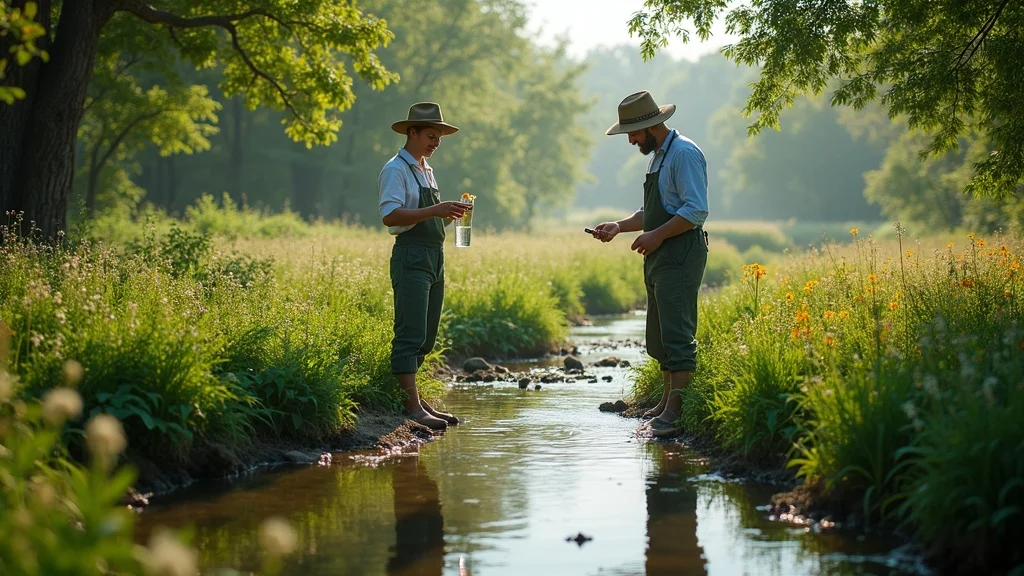
Regulations Impacting Water Rights and Agricultural Water
Agricultural users face a thicket of local, state, and federal regulations related to water rights, water rule enforcement, and environmental standards. The implementation of stricter nitrate limits, endangered species protections, and mandatory conservation plans often complicates what farmers can do with their allocated water. Property owners must stay current on changing permit requirements, quality monitoring, and reporting obligations—or risk violations that can jeopardize their operations or lead to water right revocations.
Staying involved in water user associations and fostering dialogue with clean water advocates can help farmers both protect their rights and demonstrate leadership in water stewardship. As political and public pressure grows for stronger enforcement of water law, active engagement is key to ensuring that future policies address the needs of all stakeholders—not just the loudest voices or the deepest pockets.
People Also Ask: Common Water Rights Agriculture Policy Questions
How do water rights agriculture policy disputes affect food prices?
Disputes over water rights agriculture policy can directly impact food prices by reducing the amount of irrigated acreage, curtailing yields, or shifting production to crops and regions with more reliable water resources. When farmers lose access to water—whether from drought, regulatory restrictions, or successful legal challenges—less food is grown, and market shortages can quickly raise prices for consumers. Food price spikes linked to water res shortages are particularly common following severe drought years or major court rulings affecting large agricultural regions. By understanding the connections between legal battles, water law enforcement, and the food supply chain, stakeholders can better anticipate and respond to shocks affecting both farmers and consumers.

Why is the Colorado River a focal point for U.S. water rights policy?
The Colorado River is a critical case study for water rights agriculture policy in the United States because it provides for a vast expanse of farmland, multiple major cities, and a fragile ecosystem—all from a river that is often over-promised and under-delivering due to over-allocation and climate stress. Decades-old compacts, international treaties, and state water claims collide in the Colorado basin, leading to frequent litigation, emergency negotiations, and sometimes, hard water curtailments for junior water users. The basin’s challenges exemplify the complex trade-offs facing policy makers: balancing urban growth, agricultural needs, tribal claims, environmental obligations, and unpredictable water supply. Lessons learned here are likely to shape future reforms throughout the western states and beyond.
What can farmers do to safeguard their water rights under changing policy?
Farmers can take several steps to protect their water rights amid changing water law and regulatory landscapes. Staying active in local and regional water user associations, keeping meticulous records of water use, and investing in efficient irrigation technology can all help demonstrate beneficial use and compliance with new water rule requirements. Legal consultations are advised when policy changes or disputes are on the horizon. Farmers should also engage with clean water advocacy and participate in policy discussions—proving themselves proactive partners in water conservation and environmental stewardship, and increasing their influence on water rights agriculture policy outcomes.
Opinion: Policy Paths Forward for Water Rights and Agriculture
Strengthening Policy Collaboration for Sustainable Agricultural Water
Lasting solutions for the nation’s water rights agriculture policy challenges require unprecedented collaboration. Farmers, policy makers, urban water users, and environmental advocates must move beyond zero-sum thinking to develop shared strategies for resilient water res management. This could mean piloting collaborative water conservation districts, supporting statewide water trading programs with robust oversight, or launching joint educational campaigns that promote both agricultural efficiency and clean water for all. States should create policy forums where farmers’ knowledge and experience are recognized as critical assets—ensuring that those who work the land are architects, not just subjects, of evolving water law.
Such cooperative efforts will be vital in avoiding catastrophic water shortages and in maintaining rural livelihoods that depend on predictable, fair access to agricultural water. Good policy isn’t made in a vacuum—it requires persistent, honest dialogue and a willingness to rethink old assumptions amid new climate and economic realities.

Innovative Legislative Proposals: Beyond the Status Quo
Policymakers should embrace innovative legislative and regulatory approaches that recognize today’s interconnected water challenges. Modernizing prior appropriation systems to include flexibility during extreme droughts, expanding funding for precision agriculture, and incentivizing voluntary water transfers or conservation easements can strengthen both equity and food security. “Use it or lose it” provisions might be updated to reward wise stewardship rather than wasteful consumption, while technology-driven water banking systems ensure that senior, junior, and new water users all have tools to withstand dry years.
New proposals should also acknowledge the vital links between water quality, agriculture, and ecosystem health—tying together funding for on-farm conservation with regional clean water initiatives. By taking bold, pragmatic steps beyond antiquated water rights battles, policymakers can safeguard American agriculture for future generations, even as the climate and economy shift beneath our feet.
Farmers’ Voices: What Should Policymakers Prioritize Next?
Farmers know their fields and water sources best—which means their input is essential for smart policy. Policymakers should prioritize regular consultations with diverse agricultural producers, ensure transparent rulemaking, and craft laws that incentivize adaptation without imposing unworkable mandates. Investments in rural infrastructure, rapid-response drought aid, and science-based water management tools will empower farmers to meet both production and conservation goals.
Above all, agricultural stakeholders urge putting farmers, not just lawyers and agency officials, at the center of each water rights decision. This farmer-centric approach is the only path to resilient, productive, and equitable water policy in American agriculture.
“To secure our agricultural future, we must put farmers at the center of water policy decision-making.”
Key Takeaways: Water Rights Agriculture Policy
- Water rights policy is a foundational concern for agricultural productivity and food security.
- Recent legal battles highlight the urgency of equitable water allocation.
- Climate change necessitates adaptive, farmer-centric policy innovations.
- Collaboration between states and policy foresight are crucial for resolving water challenges.
Frequently Asked Questions About Water Rights Agriculture Policy
- What is the difference between surface water and groundwater rights for farmers? Surface water rights grant the ability to use water from rivers, streams, and lakes, often allocated by historic priority or permitting. Groundwater rights allow the use of water pumped from below ground, but are subject to different rules—sometimes based on property boundaries (absolute dominion), sharing (correlative rights), or permit limits. Overlapping uses can spur disputes, so farmers must know the laws in their own state.
- How does prior appropriation impact new agricultural enterprises? Prior appropriation can make it hard for new operations to secure water, as older rights are filled first in times of shortage. New farms often hold “junior” rights, risking curtailment before senior users. This can limit investment in new enterprises in areas with overallocated water supplies.
- Are there emerging technologies to help conserve agricultural water? Yes—precision irrigation, drip systems, soil moisture sensors, and remote monitoring all help farmers use less water to achieve the same or higher yields. Drought-tolerant crops and improved water accounting also play an important role in meeting modern water law benchmarks.
- How can small farms compete in water rights negotiations? Small farms can join cooperatives, participate in local decision-making, and leverage technical support programs for water conservation and compliance. Staying informed and engaged in policy discussions helps ensure their voices are heard alongside larger agricultural players.
Conclusion: Why Every Farmer Should Watch Water Rights Agriculture Policy Developments

America’s agricultural future is written in its water law. Staying informed and involved in water rights agriculture policy debates is every farmer’s—and every food consumer’s—best defense against an uncertain tomorrow.
Take the Next Step: Subscribe to Our Policy Updates and Advocate for Sustainable Water Rights Agriculture Policy
Want to stay ahead of the policy curve and support sustainable agriculture? Subscribe to our updates for the latest on water rights, legal trends, and practical solutions. Get involved—your voice can help shape the future of American farming.