Did you know that since its launch in 2000, AGOA helped grow African agricultural exports to the United States from approximately $750 million to $2.9 billion by 2022, representing nearly a fourfold increase in agriculture-specific trade alone? Yet the real impact for agriculture, arguably Africa’s most vital sector, is a story filled with both promise and obstacles. How do AGOA Africa agriculture exports to the USA really work, and can African farmers truly access the vast US market?
Editor’s Note: AGOA expired in September 2025. The future of the program remains under discussion in Washington. The analysis in this article reflects AGOA’s framework and impact during its active period. Readers should consult current US trade policy updates for the latest developments on program renewal.
Unlocking New Horizons: A Surprising Reality for Africa Trade
Africa’s agricultural trade with the United States, powered by AGOA, broke new ground over its 25-year lifespan. Through the Growth and Opportunity Act, many African countries enjoyed preferential access to the US market, fostering robust Africa trade and export growth. While AGOA unlocked doors for African export of high-value crops, the landscape was more nuanced than it first appeared. For many AGOA countries, untapped potential collided with export challenges like stringent standards, logistical hurdles, and evolving US trade policy. This mix of opportunity and adversity reshaped foreign policy discourse and African growth on a global scale.
“AGOA opened doors to markets we never imagined, giving our farmers hope and real income.” — Kenyan Cooperative Leader
The opportunity AGOA offered went beyond numbers. It was about empowering farmers, promoting human rights through better livelihoods, and reshaping the trade relationship between Africa and the United States. This article explores practical insights, expert opinions, and actionable strategies for leveraging preferential trade frameworks for sustainable growth and opportunity.

The opportunity AGOA offers goes beyond numbers; it’s about empowering farmers, promoting human rights through better livelihoods, and reshaping the trade relationship between Africa and the United States. But how do African economies maximize these gains? This article explores practical insights, expert opinions, and actionable strategies for leveraging the AGOA framework for sustainable growth and opportunity.
What You’ll Learn in This Analysis of AGOA, Africa, Agriculture, and US Exports
This article covers how AGOA impacted Africa agriculture exports to the USA, the key opportunities it provided to African farmers and exporters, the major challenges and limitations under the act, and actionable strategies for African countries and stakeholders involved in trade and investment. Major challenges and limitations under the opportunity act for African export
Understanding AGOA: The Backbone of African Growth and Opportunity
What is the African Growth and Opportunity Act (AGOA) and How Does It Work?
The African Growth and Opportunity Act (AGOA) represents a pivotal United States trade policy designed to promote economic growth and deepen africa trade ties. Signed into law in 2000, this opportunity act grants eligible African countries duty-free access to American markets for thousands of products, including many agricultural exports. The act’s framework encourages beneficiary countries to build fair trade relationships, support the rule of law, and uphold human rights. For AGOA countries, this translates into a powerful advantage: the capacity to diversify exports, improve market access, and stimulate domestic job creation within African economies.
Practically, AGOA works by setting eligibility standards based on key governance criteria, including progress toward economic reforms, democratic principles, and investment-friendly policies. Countries must commit to improving trade and investment climates by reducing trade barriers, fostering a market-based economy, and respecting the rule of law. When African countries meet these requirements, their farmers and exporters gain a critical edge—reaching American consumers with products that might otherwise face higher tariffs or restrictive quotas. Over the years, this has led to significant increases in African export volumes, encouraging innovation and infrastructure investment while reshaping the African growth narrative.
Why Is AGOA Critical for Africa Agriculture Exports to the United States?
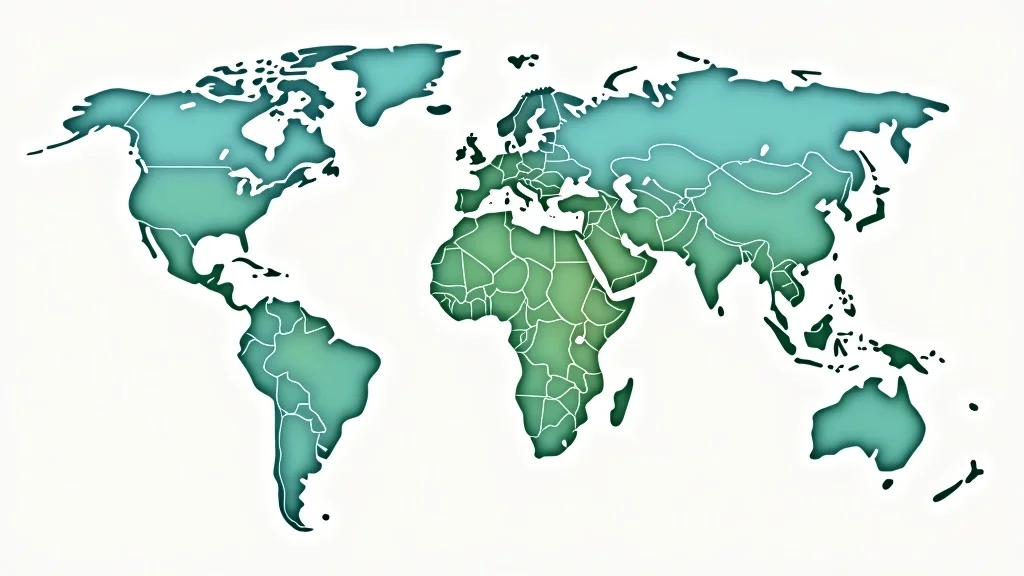
AGOA acts as a game-changer for africa trade and investment, especially for smallholder farmers and agricultural cooperatives in the region. Through AGOA’s preferences, African countries gain market access to the vast US consumer base without facing prohibitive duties. This enables African exports such as coffee, cocoa, tea, and fresh produce to compete favorably with products from other global trading partners. The growth and opportunity act incentivizes sustainable cultivation practices and drives innovation in packaging, logistics, and certification—helping African economies meet strict US compliance standards.
Moreover, AGOA fosters broader development by linking African agricultural exports to global supply chains, thus boosting incomes, investment, and capacity-building across rural communities. For many AGOA countries, these benefits have propelled shifts from informal trading to more structured, international-grade production, positioning African farmers alongside established global exporters. The act also plays a diplomatic role by strengthening trade relations, supporting American foreign policy interests, and accelerating African economic growth through mutually beneficial export partnerships.
| Comparison of AGOA-supported versus Non-AGOA Agricultural Exports from Africa to USA (2010–2023) | |||
| Year | AGOA Agricultural Exports to US | Key Notes | Year |
|---|---|---|---|
| 2000 | ~$750 million | AGOA inception baseline | 2000 |
| 2022 | ~$2.9 billion | Nearly 4x growth over 22 years | 2022 |
| 2023 Top Exporters | South Africa $446M, Côte d’Ivoire $127M, Ghana $86M, Kenya $78M, Senegal $70M | Source: agoa.info | 2023 Top Exporters |
| Year | AGOA Agricultural Exports to US | Key Notes | Year |
Examining the Current Landscape of African Export to the United States
Top AGOA Countries in Agriculture Exports to the USA
A handful of African nations have excelled in leveraging AGOA. South Africa stands out, consistently ranking as the top African exporter of agricultural products under the act—thanks to a strong value chain in wine, citrus, and nuts. Other leading exporters include Kenya (renowned for tea and cut flowers), Ghana (famous for cocoa and fruits), and Ethiopia (noted for coffee and pulses). These AGOA countries have developed focused trade policies and alliances to maximize the benefits of preferential access—a trend mirrored across Tanzania, Nigeria, Côte d’Ivoire, and Morocco, albeit to varying extents. The presence of trade and investment support frameworks, stable infrastructure, and coordinated export agencies in these countries underscores the importance of national strategies in facilitating African growth and export success.
Yet, despite these shining examples, disparities remain. Many eligible countries struggle with capacity limitations, unstable policy environments, and compliance hurdles. These challenges hinder broader African participation in the US market, exposing the gaps between regional leaders and laggards in African export. Addressing these gaps and enhancing investment climates could help a wider array of African economies participate more effectively in global value chains, thereby fostering greater prosperity across the continent.

Africa Trade and Investment: Key Sectors Benefiting from the Growth and Opportunity Act
The sectors seeing the most remarkable growth include horticulture (flowers, fruits, and vegetables), nuts (macadamia, cashews), and beverages (like wine and specialty teas). These industries benefit not only from AGOA’s tariff concessions but also from US technical support, development finance, and capacity-building initiatives. Such support helps African farmers and businesses adhere to US regulatory and sanitary standards, facilitating higher-value exports and strengthening the trade relationship. Through AGOA, Africa trade is becoming more diversified and resilient, creating new opportunities for investment as African countries implement global best practices in processing and supply chain management.
Textiles, apparel, and specialty foods also make up a significant part of AGOA exports, supported by dedicated trade and investment partnerships. This diversification mitigates risk and broadens market reach, driving innovation across African economies. By integrating AGOA frameworks with sector-specific training and policy reform, countries can further unlock the potential of their agricultural sectors and compete alongside established global suppliers in the United States market.
AGOA Africa Agriculture Exports USA: Success Stories and Case Studies
How Trade and Investment via AGOA Has Improved Local Incomes
AGOA’s impact is perhaps most sharply felt at the grassroots, where farmers see tangible changes in their daily lives. In Kenya, for example, smallholder tea and avocado farmers have witnessed their incomes double as a result of direct market access facilitated by AGOA. In Ghana, growth in pineapple exports to the United States has injected much-needed capital into rural economies, financing new schools and infrastructure. Similar stories abound in Ethiopia’s burgeoning coffee sector, where improved yields and premium prices are now possible because producers can meet US standards and reach new buyers.
“AGOA opened doors to markets we never imagined, giving our farmers hope and real income.” – Kenyan Cooperative Leader
These case studies highlight how AGOA-driven Africa trade is more than an abstract policy—it is a practical engine of poverty reduction, education, and empowerment. By connecting African farmers to international buyers, AGOA provides stable revenue streams and incentivizes community reinvestment. The cascading effects of these opportunities are visible in job growth, gender empowerment, and increased food security, especially where governments and cooperatives work closely to ensure rural communities benefit from the framework established by the opportunity act.

Challenges Facing African Farmers in Leveraging AGOA for Export
Barriers to Entry: Quality Standards, Compliance, and Logistics
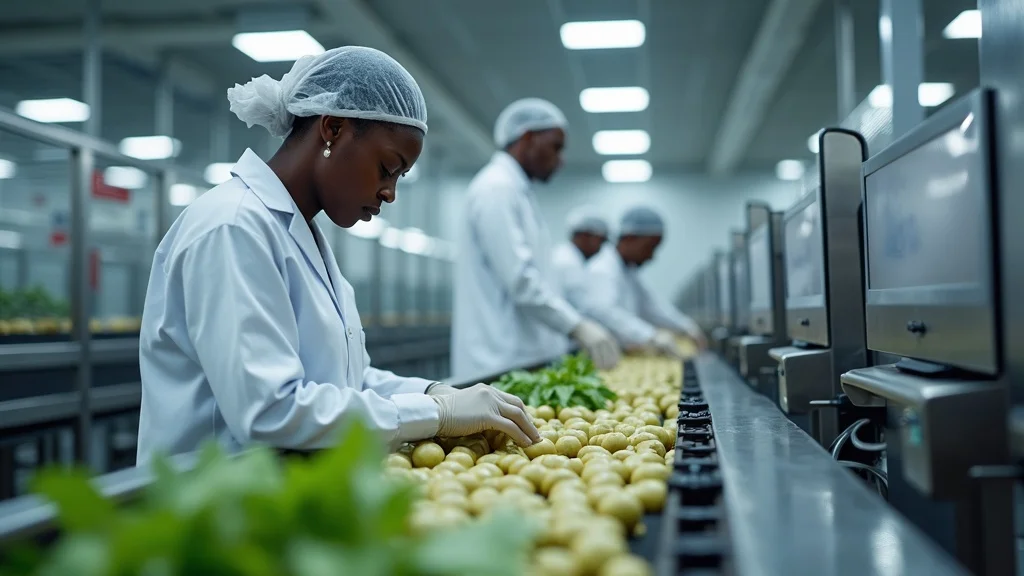
While AGOA opens lucrative doors, the threshold for entry remains high. Farmers must comply with stringent US quality and phytosanitary standards—a hurdle that can be daunting for smallholders operating in under-resourced environments. The United States applies a strict set of requirements for traceability, pesticide residue, and food safety, all underpinned by the country’s robust legal framework supporting the rule of law and consumer protection. This can lead to delays, costly product rejections, and in some cases, exclusion from US markets for African exports that do not meet compliance.
Logistics represent another formidable challenge. The journey from an African farm to an American shelf is complicated by limited transport networks, lack of cold storage, and unreliable port infrastructure in many AGOA countries. Without sound value chain management and partnerships, perishable products can spoil or lose quality before reaching the destination. This combination of regulatory hurdles and logistical bottlenecks constrains the expansion of AGOA Africa agriculture exports USA and calls for significant investment in both physical infrastructure and supply chain coordination.
Trade and Investment Gaps: Financing, Infrastructure, and Knowledge
Securing trade and investment for expansion remains a core difficulty for many African economies under AGOA. Access to capital for modernization, technology upgrades, and export certification is often limited, putting smallholder farmers at a competitive disadvantage compared to larger, more established exporters from other trading partners or even within Africa. The financial sector sometimes views agricultural investments as risky, leading to prohibitive borrowing costs that dampen innovation and growth.
- Limited access to updated agricultural technology
- Stringent phytosanitary standards by United States regulators
- Lack of coordinated value chains across AGOA countries
- Unstable policy environments hindering trade and investment
Moreover, knowledge barriers hold back potential. Understanding changing US consumer preferences, legal nuances, and technical requirements for export takes a coordinated effort between governments, private sectors, and NGOs. Inconsistent policy environments and lack of government support further stifle value chain development, resulting in missed opportunities to solidify Africa’s reputation as a reliable trading partner within the global agricultural network.
Strategic Solutions: How African Farmers Can Boost AGOA-Driven Agriculture Exports
Strengthening Collaboration Across Africa Trade Networks
Addressing these challenges demands a unified approach. Effective regional trade agreements and inter-country alliances have proven to streamline quality control, logistics, and compliance efforts. By sharing resources, data, and best practices, AGOA countries can build scale, reduce redundancy, and approach buyers as one robust market. Enhanced coordination among export councils, standards organizations, and government agencies can simplify cross-border trade policy and align Africa trade processes with global benchmarks.
Regional economic blocs like the African Continental Free Trade Area (AfCFTA) offer promising platforms for facilitating collaboration and integrating African economies. By harmonizing value chain processes, pooling research investments, and creating common export standards, African nations can reduce costs and enhance their bargaining power with global trading partners. This shared strategy is critical for converting temporary AGOA preferences into sustainable, long-term growth and opportunity for the entire continent.
Embracing Technology and Traceability for the US Market
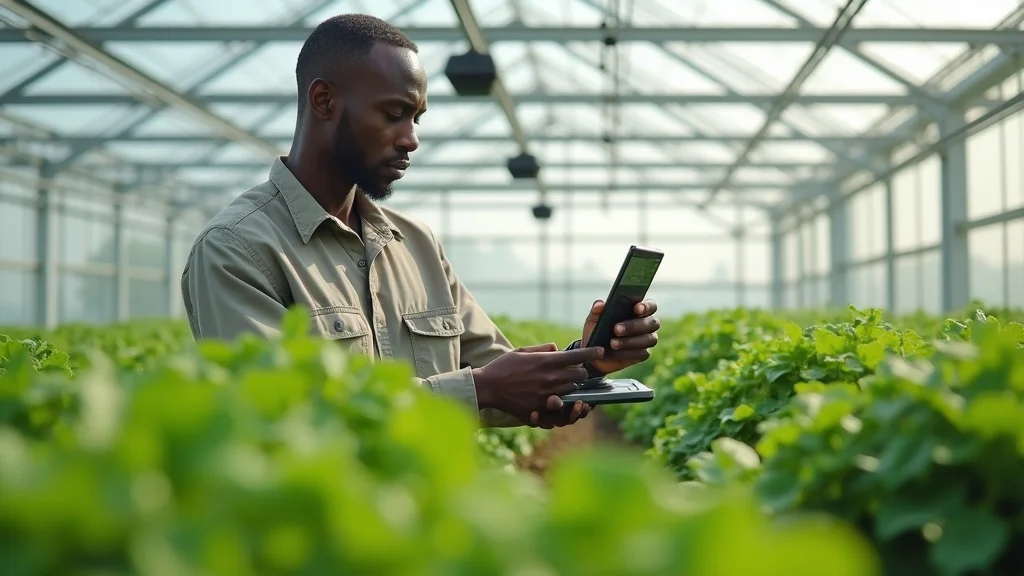
The future of AGOA Africa agriculture exports USA rests on embracing modern technology. Digital tools—from farm management software to blockchain-based traceability—can help African farmers collect essential data, monitor supply chains, and verify compliance with US requirements. Mobile apps for weather prediction, pest surveillance, and real-time trade updates put power directly in farmers’ hands, reducing losses and shortening response times.
Investing in agri-tech also opens doors to value-added certification—like organic, Fair Trade, or Rainforest Alliance—widely sought after in the United States. These certifications can command premium prices for African export products and further differentiate Africa trade offerings. Technology-driven transformation, coupled with targeted investment in education and farmer training, is the linchpin for bridging gaps and future-proofing Africa’s presence in US food markets.
People Also Ask: Common Questions About AGOA Africa Agriculture Exports USA
How do African countries qualify for AGOA benefits?
African countries must meet specific eligibility requirements, including progress toward a market-based economy, rule of law, elimination of barriers to U. S. trade and investment, and protection of workers’ rights. These requirements help shape who can participate in AGOA-driven Africa trade.
What agricultural products are most commonly exported from Africa to the US under AGOA?
Common AGOA exports include cocoa, coffee, tea, nuts, tropical fruits, and fresh produce—products where Africa agriculture has a strong comparative advantage.
An engaging explainer walks viewers through the journey of African agricultural products from farms to US markets. The video showcases AGOA’s impact, export logistics, and success stories, with animations illustrating the difference AGOA makes in rural African communities.
Key Takeaways: AGOA Africa Agriculture Exports USA
- AGOA continues to create substantial trade and investment opportunities for African agriculture.
- Eligibility and compliance are critical for African growth in US markets.
- Strategic investments in value chains and technology can magnify the benefits for African export.
Frequently Asked Questions About AGOA and Africa Agriculture Exports
Can smallholder farmers in AGOA countries access the US market?
Yes, but with significant support. By forming cooperatives, investing in certification, and leveraging infrastructure developed through AGOA programs, even small-scale African farmers can participate in US-bound exports. Partnerships with government and non-profit agencies can amplify access to training, compliance, and investment resources.
What can African governments do to enhance AGOA-related agricultural exports?
Governments should prioritize investments in transport infrastructure, enforce stable policy environments, and offer incentives for compliance and innovation. Strengthening agricultural research, providing export financing, and promoting public-private partnerships are essential for scaling-up value chains and realizing the full potential AGOA offers.
Moving Forward: Shaping the Future of Africa Trade and Agricultural Exports to the United States
Opinion: Why Policymakers and Stakeholders Must Double Down on AGOA’s Promise
Looking ahead, the African Growth and Opportunity Act stands as both roadmap and challenge for Africa’s agricultural ambitions. Policymakers across Africa and the United States should commit to upgrading legal, technical, and financial frameworks that govern AGOA eligibility and trade policy implementation. Proactive engagement with African exporters, investment in agribusiness innovation, and unwavering support for the rule of law and human rights will secure a legacy of economic growth beyond the act’s expiration. The next chapter in africa trade must be shaped by a shared resolve to empower farmers, unleash technology, and integrate African economies deeper into the global marketplace.
Join the conversation—share your story or insights on AGOA Africa agriculture exports USA today!
Your experience matters. Whether you are a farmer, exporter, policymaker, or consumer, your perspective can help shape the future of African agriculture exports to the United States under AGOA. Share your thoughts and let your voice be part of this ongoing journey toward opportunity and equitable trade.
Conclusion
By bridging opportunity, compliance, and innovation, African farmers can unlock the enduring promise of AGOA, securing a lasting future for AGOA Africa agriculture exports USA and the continent’s rural communities.