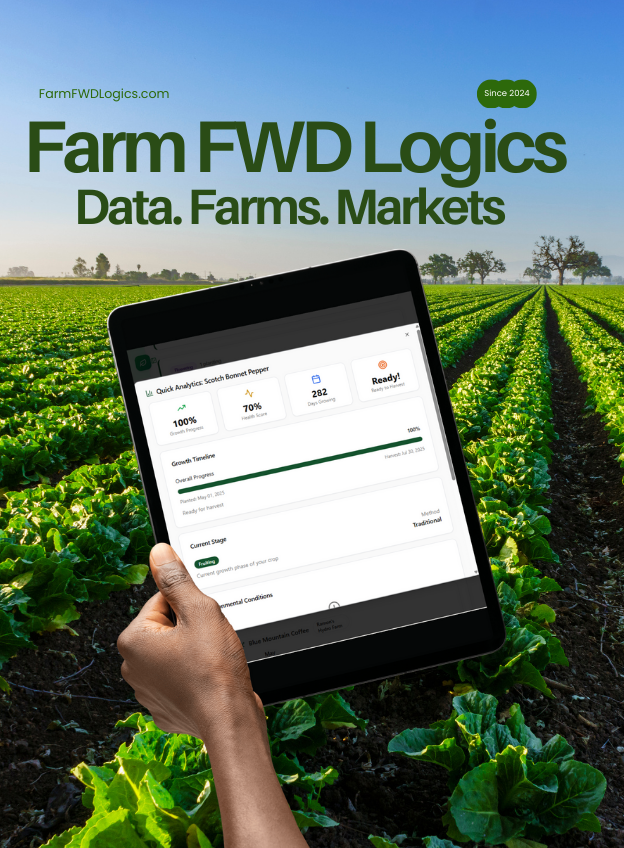
Hook: Did you know that Africa’s food demand is set to double by 2026? With the population booming and arable land under constant threat, africa agriculture policy 2026 stands as the most urgent lever in steering the continent’s future—one that could close the yield gap or leave millions vulnerable to hunger and economic stagnation.
Startling Developments: Africa Agriculture Policy 2026 at a Crossroads
“By 2026, Africa’s food demand is projected to double, but only transformative Africa agriculture policy can close the yield gap.” – African Development Bank
Africa is standing at a pivotal moment. The africa agriculture policy 2026 isn’t just an administrative milestone—it’s a race against time to match explosive food demand with sustainable supply. The policies debated and adopted today will determine whether Africa becomes a global breadbasket or remains dependent on food imports to feed its growing cities and rural communities. From policy summits at the African Union to local adaptation projects in remote villages, every decision aims to secure food security and close the mechanization gap that has long hindered productivity. Throughout the sector, key actors—from prime ministers to young people on family farms—are grappling with risks and opportunities that carry generational significance.
This crossroads isn’t just about producing more grain and livestock. It’s about transformational change: preparing arable land for climate resilience; fostering economic growth via digital innovation and market access; investing in agricultural mechanization; and ensuring rural development doesn’t leave behind women, youth, or marginalized communities. These policy shifts could define not only this generation but also the future generations of African farmers, entrepreneurs, and consumers.
What You’ll Learn from Africa Agriculture Policy 2026
- Key drivers behind the 2026 agricultural policy reforms
- Stakeholder impacts—from local farmers to global investors
- Risks, opportunities, and practical implications for Africa’s agricultural sector
- Expert insights on food security and mechanization
- Actionable steps for policy operators and investors
The State of Food Security: Africa Agriculture Policy 2026 and Hunger
“Food security is not just a challenge; it is the foundation of sustainable development in Africa.” – UN FAO Regional Director
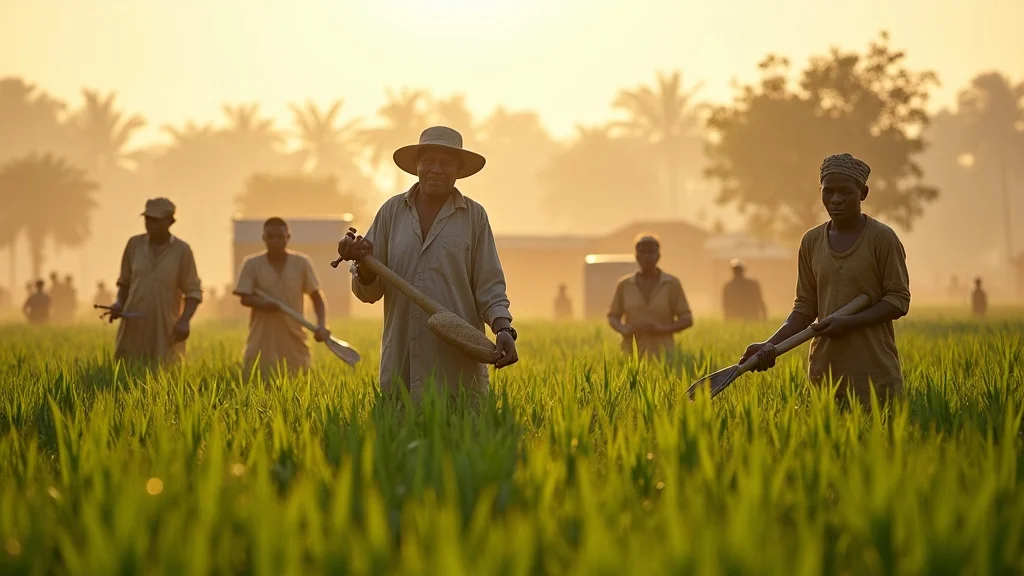
At the heart of the africa agriculture policy 2026 is the objective to secure enduring food security throughout the continent. With arable land facing threats from climate change, population pressures, and past mechanization practices that degraded soil fertility, the urgency for a new approach is clearer than ever. Today, nearly one in five Africans suffers from food insecurity. Yet, projections backed by the United Nations and the African Union suggest that only coordinated, data-driven reforms can reverse this trend in the coming days—making policy action both urgent and consequential.
Policy makers, development partners, and private sector leaders now see that market access, rural development, and sustainable agricultural mechanization are inextricably linked with hunger reduction. To ensure that food security is not a moving target, 2026’s master plan places an emphasis on digital innovation, mechanization, and expanding repair services for aging processing machines, especially in regions where food deficits persist. These ambitious reforms aim for not just survival, but for transformative economic growth and renewed opportunity for every stakeholder in the African agricultural value chain.
Data-Driven Trends in Africa Agriculture Policy 2026
The new wave of Africa’s agricultural policymaking is unapologetically data-driven. As key actors analyze granular indicators—from food yields and market access to mechanization rates and digital adoption—the africa agriculture policy 2026 is being carefully tuned to address real-world gaps. By deploying rigorous metrics, the continent hopes to achieve both sustainable agricultural mechanization and robust food security. This approach is especially crucial as previous policy cycles lacked the agility to respond quickly to unforeseen crises—like food price volatility, droughts, or machinery shortages. Now, targeting granular regions in farm power, digital transformation, and value chain bottlenecks delivers an evidence-based foundation for strategic decision-making.
| Indicator | 2016 | 2026 (Projected) | Policy Driver |
|---|---|---|---|
| Average Crop Yield (t/ha) | 1.5 | 2.5 | Mechanization, digital monitoring |
| Undernourishment (%) | 20.8 | 13.8 | Social protection, food programs |
| Markets with Digital Trade Access | 22% | 65% | ICT adoption, export incentives |
| Average Mechanization Index | 0.25 | 0.45 | Machine subsidies, repair services |
Who Stands to Gain or Lose?
Every policy shift creates winners—and some exposed risks. In africa agriculture policy 2026, a handful of major stakeholders are most directly affected:
- Smallholder farmers—stand to benefit from increased access to mechanization and improved extension services, but risk exclusion if digital literacy and financing gaps remain unmet.
- Rural communities—could enjoy better food security and jobs, if regional market access improves and sustainable mechanization is equitably distributed.
- Regional trade blocs—such as ECOWAS, are positioned to accelerate economic integration if harmonized policies ease cross-border flows of agri-products and machinery.
- Foreign agri-investors—see new prospects for private capital, especially where regulatory reforms ensure a stable business climate, but remain wary of policy inconsistency across eligible countries.
Bridging the Mechanization Gap via Africa Agriculture Policy 2026
How Mechanization Gaps Shape Policy and Outcomes
The mechanization gap has traditionally held African agriculture back. too often, farmers have had access to machines without financing or the repair services needed for longevity. africa agriculture policy 2026 directly targets these historical weaknesses. Capital investment requirements—mainly for processing machines, tractors, and digital monitoring infrastructure—form a central plank of the master plan. Policymakers, donors, and the private sector must identify scalable solutions that don’t just import hardware, but ensure full-cycle support for sustainable mechanization.
- Capital investment requirements
- Training and extension service needs
- Case: Mechanization subsidy models in Nigeria and Ghana
Another crucial change comes from investment in farmer training and robust extension services. Prior mechanization gap initiatives in Nigeria and Ghana demonstrated that subsidy models and on-the-ground mechanic programs can significantly boost equipment uptime and rural incomes. But scaling this across a continent of diverse needs, crop types, and environmental conditions requires both sustained financing and flexible, locally led program design. The next phase of the policy will rely greatly on digital tracking, improvement of agri-business credit, and reinforcing the sustainable agricultural mechanization strategy tailored for each region.
Strategies for Accelerating Agricultural Mechanization
“Mechanization is the engine for unlocking Africa’s agricultural potential, but targeted policy is the key to ignition.” – Dr. Samuel Adebayo, Agri-Tech Innovator
Accelerating agricultural mechanization calls for strategies that bridge both equipment access and knowledge gaps. The master plan stresses a three-pronged approach: first, increasing investment incentives for private capital and local repair service entrepreneurs. Second, investing in training for not only machine operators but also for villages to manage their own tool banks and maintenance shops. Third, ensuring policies address the unique needs of women and young people, so mechanization benefits the entire community.
The approach now integrates digital innovation—from mobile loan platforms for equipment leasing to sensor-enabled repair reporting. These strategies create an ecosystem where sustainable mechanization can thrive in the long term, rather than remain a policy buzzword. As policymakers measure impact through increased yields, employment, and cost reduction, the business case for integrated, regionally adapted mechanization models becomes clear. Effective partnership between governments, the private sector, and development partners is the only path forward for closing the remaining mechanization gap.
Watch: Short explainer animation illustrating the transformation before and after mechanization—depicting increased yields, reduced manual labor, and the policy interventions fueling wider machine access across Africa.
Sustainable Land Use and Africa Agriculture Policy 2026
Climate, Conservation, and Commercial Viability
- Policy responses to land degradation
- Climate-smart agriculture in action
- Balancing conservation goals with commercial interests
Addressing the intersection of commercial ambition, climate resilience, and conservation has never been more urgent. With Africa’s arable land diminishing due to degradation and population pressures, africa agriculture policy 2026 moves to prioritize climate-smart agriculture and land use practices that don’t sacrifice sustainability for short-term gain. New policy measures fund local adaptation and restoration projects—ranging from agroforestry to organic fonio processing—that shield both livelihoods and biodiversity.
Solutions are tailored to maintain commercial viability. This means offering incentives for private sector investment in land rehabilitation and water-saving irrigation while also mandating compliance with conservation standards set out at the Conference on Sustainable Agricultural Mechanization. Commercial operators are expected to balance profit motives with stewardship, and policy tools increasingly include both rewards for sustainable innovation and penalties for environmentally damaging practices. Africa’s new generation of master plans depends on this fine equilibrium between growth, protection, and the capacity of future generations to farm productively.
Market Shifts Driven by Africa Agriculture Policy 2026
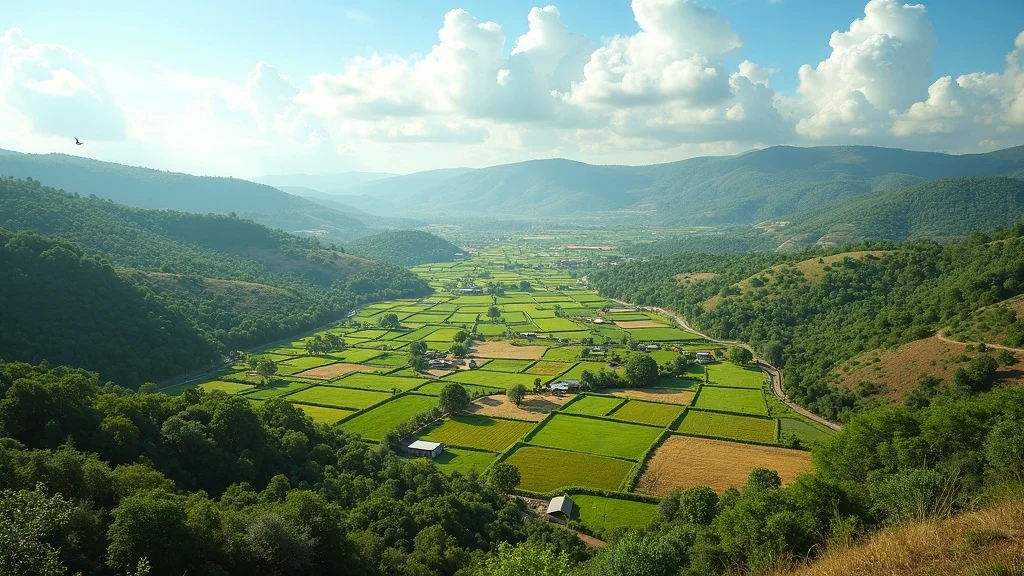
The ripple effects of responsible land and agricultural policies now extend far beyond farms. By enacting export-friendly standards, regional trade agreements, and incentives for sustainable agri-processing, africa agriculture policy 2026 aims to unlock local and global market opportunities. For instance, premiums for certified sustainable crops or processed goods—such as fonio—make market access a reality for rural producers and add value to Africa’s agricultural exports.
Simultaneously, these market shifts are backed by technological upgrades. Processing machines powered by renewable energy, digital traceability for origin labeling, and the expansion of digital trading platforms are all scaling up. Where rural development was once held back by isolation, today’s digitally connected markets allow direct farmer-to-market engagement, creating value chains that serve both economic growth and food security. It’s not just about moving goods—it’s about laying the foundation for sustainable agricultural prosperity.
Innovation and Market Access: The Next Decade of Africa Agriculture Policy 2026
| Innovation | Description | Benefit |
|---|---|---|
| Digital agri-marketplaces | Mobile & web apps connecting farmers, buyers, and exporters | Boosts prices, reduces middlemen, broadens reach |
| Quality certification labs | On-site testing for export standards and labeling | Unlocks premium export markets, builds trust |
| Agri-processing incentives | Subsidies and tax breaks for local factories, especially women/youth-led | Drives rural job creation, adds value domestically |
| Climate-resilient seed programs | Distribution and support for drought/flood-tolerant crops | Reduces loss, improves resilience against shocks |
Digital Solutions for Farmers
Digital innovation is reshaping the way African farmers do business. Mobile platforms that link input suppliers, buyers, and financiers now enable smallholders to bypass middlemen and command better value for their produce. From satellite-based crop advisory services to SMS-based weather alerts, farmers are leveraging digital tools for everything from seed selection to market timing. These technologies foster market access, enhance food security, and propel sustainable agricultural practices. By 2026, the integration of digital transformation into daily farm operations is projected to triple in eligible countries, signaling a structural shift toward modern, resilient agricultural economies.
Policy Enablers for Export Growth
- Regional trade agreements
- Export quality standards
- Incentives for agri-processing
Africa’s new master plan for export growth leverages regional trade agreements—aligning policy across the African Union’s economic zones and harmonizing quality standards. These efforts make it possible for more agribusinesses to unlock private capital and enter premium export markets. Policymakers also prioritize incentives for agri-processing, especially ventures founded by women or young people, through tax reductions and access to subsidized financing. This coordinated focus on market infrastructure, quality assurance, and financial access marks a turning point for Africa’s global competitiveness in agri-food trade.
Inclusion and Gender in Africa Agriculture Policy 2026
Policies Promoting Fair Participation
- Women-owned agri-business initiatives
- Youth-focused agritech training
- Social safeguards to prevent exclusion
Inclusion stands central in the latest wave of agricultural reforms. Recognizing the critical role women and youth play across the value chain, africa agriculture policy 2026 launches dedicated funding for women-owned agri-businesses and youth-targeted agritech training. Development partners work with grassroots organizations to provide social safeguards, ensuring future policy changes don’t inadvertently exclude marginalized communities. These steps are informed by a growing awareness—underscored at high-level summits and within the African Union—that sustainable agricultural progress demands equal opportunity participation and shared growth.
By fortifying inclusive finance, digital competency, and policy safeguards, the new agriculture master plan aims to empower all demographic segments. Early pilot programs show that empowerment isn’t just about fairness; it fuels economic growth, enhances food security, and nurtures local adaptation capacity necessary for climate resilience. Policymakers and operators now recognize: for Africa to realize its agricultural ambition, every voice—especially women and young people—must have a seat at the table.
Risks and Unintended Consequences of Africa Agriculture Policy 2026
Potential Pitfalls: What Stakeholders Should Watch
- Over-dependence on imported machinery
- Policy inconsistency across borders
- Food price instability
No policy comes without potential pitfalls. For Africa, africa agriculture policy 2026 faces three main risks. First, over-dependence on imported machinery could leave farmers vulnerable to foreign exchange volatility and supply chain disruptions—especially if local adaptation for machines and repair services fails to keep pace. Second, inconsistent policy application across eligible countries risks undermining market integration or creating loopholes for non-compliance. Finally, rapid changes in market demand or weather patterns could trigger food price instability, hurting poorer rural communities the most.
Stakeholders—including national policymakers, the private sector, and development partners—must continually assess these risks and adapt. Preventing policy fragmentation, supporting local manufacturing of processing machines, and building regional food reserves are among the practical safeguards required to navigate the rapidly evolving agricultural landscape in the coming days.
Mitigating Policy Risks in Africa’s Ag Sector
To mitigate these and other risks, effective stakeholder collaboration is crucial. Robust monitoring and evaluation mechanisms must be built into policy rollout. Transparent feedback loops—allowing smallholder farmers, community leaders, and agri-investors to share real-time challenges—will be vital in refining strategy on the fly. Regional platforms, supported by the African Union and United Nations, can facilitate policy harmonization and rapid knowledge exchanges. Above all, sustained investment in local innovation, repair services, and finance will buffer Africa’s agriculture sector against shocks, keeping its transformation both resilient and inclusive.
What Is the Future of Agriculture in Africa?
Expert Analysis on Africa Agriculture Policy 2026
“The future hinges on flexible policy, mechanization, and a strong value chain approach.” – Dr. Angela Mutiso, Policy Consultant
PAA: What is the future of agriculture in Africa?
Answer: Africa’s agricultural future depends on the effective implementation of Africa agriculture policy 2026, addressing challenges across technology, capacity, and resource allocation to ensure sustainable growth and universal food security.
Experts agree: only cohesive policy action, flexible enough to respond to crisis and opportunity alike, will build the path forward. Investment in agricultural mechanization, digital transformation, and inclusive value chains forms the backbone of Africa’s strategy. For food security to be more than an aspiration, national governments must work alongside civil society and development partners to deliver results on the ground. This collaborative effort will define not just Africa’s agricultural trajectory, but its standing as a leader in the global agri-food system by 2050.
What is the 5th Strategic Plan for Agriculture Transformation?
PAA: What is the 5th strategic plan for agriculture transformation?
Answer: The 5th Strategic Plan emphasizes agricultural mechanization, sustainable practices, and inclusive finance, forming the backbone of the Africa agriculture policy 2026 to meet continent-wide growth targets.
The 5th Strategic Plan is a critical turning point in Africa’s policy landscape. Drawing lessons from past mechanization attempts and rural development failures, this plan commits to ramping up sustainable mechanization, fostering climate-smart innovations, and unlocking finance for every eligible country. The plan underscores the necessity of aligning public and private sector efforts—enabling robust, scalable, and inclusive agricultural growth. By directly addressing weaknesses in arable land management, policy fragmentation, and market access, the plan aims to realize Africa’s potential as a food-secure and export-driven region.
What Is the Agriculture Relief in South Africa 2025?
PAA: What is the agriculture relief in South Africa 2025?
Answer: The South African government has enacted agriculture relief programs focusing on drought resilience, subsidized inputs, and capacity-building to complement Africa agriculture policy 2026 ambitions in regional food security.
As a regional powerhouse, South Africa has played a key role in both shaping and embodying africa agriculture policy 2026. Its 2025 agriculture relief initiatives serve as pilot models for the wider region—especially where drought resilience, capacity-building, and inclusive rural development are concerned. Through subsidized farm inputs, investment in climate-smart processing machines, and dedicated training for youth and women entrepreneurs, South Africa exemplifies the kind of public-private collaboration needed to scale food security and climate adaptation outcomes for all.
What Will Africa Look Like in 2050?
PAA: What will Africa look like in 2050?
Answer: Projections indicate that, driven by policies like Africa agriculture policy 2026, Africa’s population and food production will significantly increase—outlook hinges on continual policy innovation to sustain food security and global competitiveness.
By 2050, Africa is projected to be home to over 2. 5 billion people. If africa agriculture policy 2026 and ongoing master plan reforms are implemented effectively, the continent could not only feed itself but emerge as a key exporter of food and agri-processed goods. The future—one of climate resilience, inclusive prosperity, and robust market access—is possible, but only if today’s leaders stay committed to innovation, investment, and thoughtful risk management, ensuring a legacy for both this generation and future generations.
FAQs on Africa Agriculture Policy 2026
- What are the main goals of Africa agriculture policy 2026?
- Who are the primary beneficiaries?
- How does this policy impact food security?
- How does technology factor into policy implementation?
- What role does mechanization play?
FAQ Answers
What are the main goals of Africa agriculture policy 2026? To drive sustainable agricultural mechanization, improve food security, boost export opportunities, and ensure inclusive rural economic growth across all eligible countries.
Who are the primary beneficiaries? Smallholder farmers, rural communities, youth and women entrepreneurs, private sector agri-investors, and broader society through enhanced food security and economic growth.
How does this policy impact food security? By closing the yield gap, promoting climate-resilient practices, expanding market access, and safeguarding the most vulnerable populations, the policy targets reductions in hunger and improved nutrition outcomes.
How does technology factor into policy implementation? Technology drives data-driven trend assessment, facilitates access to financing, enables digital marketplaces for farmers, and supports real-time monitoring of policy impact.
What role does mechanization play? Mechanization is key to lifting productivity, reducing manual labor, and enabling African farmers to compete on regional and global stages. The policy addresses not just equipment supply, but also maintenance, adaptation, and user training.
Key Takeaways from Africa Agriculture Policy 2026
- Africa agriculture policy 2026 offers transformative potential for food security and mechanization.
- Stakeholder collaboration is essential for success.
- Policy risks require constant monitoring and adaptive strategies.
- Long-term competitiveness depends on sustained investment and innovation.
What Operators and Investors Should Do Next
“Africa’s true agricultural revolution relies on the bold action of today’s leaders.” – Policy Analyst Commentary
Operators and investors must move beyond observation toward action—leveraging the opportunities and mitigating risks presented by africa agriculture policy 2026. This means investing in sustainable productivity, forming cross-sectoral partnerships, and supporting inclusive, resilient agricultural ecosystems that serve both national interests and Africa’s continental promise.
Ready to capitalize on the opportunities? Download our in-depth policy report on Africa agriculture policy 2026.
Stay ahead—get insights, data, and actionable policy analysis to secure your stake in Africa’s agricultural transformation.
Conclusion
Africa’s agricultural future hinges on bold, inclusive policies and relentless innovation—now is the time for operators and investors to seize opportunities for sustainable transformation.
Sources
- African Development Bank: Feed Africa
- UN FAO Africa
- African Union: Africa Agriculture Policy
- World Bank Agriculture Overview
- Climate Policy Initiative
The African Union’s adoption of the Kampala CAADP Strategy and Action Plan (2026–2035) marks a pivotal shift in the continent’s agricultural policy, aiming to increase agrifood output by 45% by 2035. (au. int) This strategy emphasizes sustainable practices, climate resilience, and inclusive growth to meet the demands of a rapidly growing population. In line with this continental vision, Senegal has unveiled an ambitious agricultural roadmap for 2026, focusing on mechanization, irrigation, and improved access to inputs and certified seeds. The plan prioritizes restructuring key agricultural sectors and promoting agri-food transformation to ensure food sovereignty. (welcomeafrica. org) Additionally, the African Union has endorsed a 10-year plan to build resilient and sustainable agrifood systems, as highlighted by the International Livestock Research Institute. This plan underscores the importance of policy coherence and a multi-sectoral approach to transform Africa’s agrifood systems. (ilri. org) For a comprehensive understanding of these developments, the African Union’s official page on the Comprehensive Africa Agriculture Development Programme (CAADP) provides detailed insights into the strategies and action plans shaping Africa’s agricultural future. (au. int) These resources offer valuable perspectives on the transformative policies reshaping Africa’s agricultural landscape in 2026.