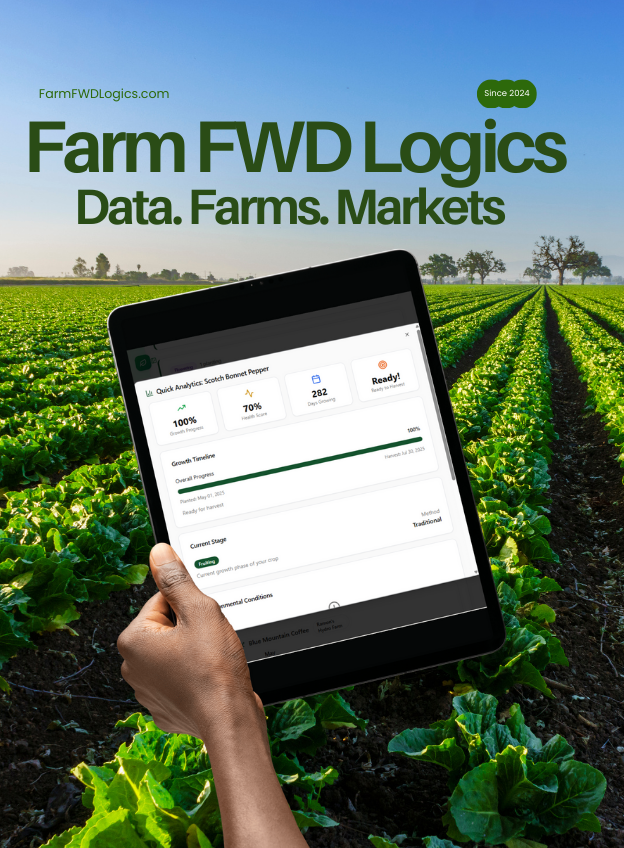
Did you know? Around 67% of East African adults own mobile money accounts, with widespread use for transactions including farm payments. This game-changing shift is fast transforming farm payment systems and opening new possibilities for millions of smallholder farmers, market vendors, and agri-entrepreneurs across the region.
A Groundbreaking Shift: Mobile Money and Farm Payments in East Africa
Startling Statistic: “Over 60% of East Africa’s adult population now uses mobile money for daily transactions, transforming farm payment systems at an unprecedented rate.”
The agricultural landscape of East Africa is undergoing a seismic transformation as mobile money farm payments become standard practice. What was once a cash-based system plagued by inefficiency and risk is now leveraging the power of digital trade. Services like M-Pesa, Airtel Money, and MTN MoMo have woven themselves into the financial fabric of rural communities, creating millions of active users who can now send, receive, and save money securely from almost anywhere. The rise of digital payments is not just about convenience—in many cases, it is the difference between exclusion and participation in the modern economy. With low-cost mobile phones and growing telecom infrastructure, even remote villages are joining this digital revolution and seeing the early benefits ripple across generations.
Not only do these platforms facilitate quicker payments for farmers, but they also enable the disbursement of digital credit, bill payments, buying farm inputs, paying school fees, and trading across borders with instant currency conversions. This integration of mobile money into the agricultural value chain has unlocked opportunities for greater financial inclusion, making markets more transparent, and slashing transaction costs. As East Africa positions itself at the forefront of Africa’s digital economy, mobile money is quickly becoming the backbone of a smarter, more resilient future for farming.
Why Mobile Money Farm Payments Matter in East Africa’s Development
The significance of mobile money farm payments East Africa extends far beyond mere convenience. In regions where only a fraction of people previously held formal bank accounts, digital payment platforms now touch almost every household. By enabling instant transactions, mobile money bridges the gap between rural residents and formal financial systems, propelling them into the digital economy and giving rise to a vibrant fintech ecosystem. This shift is about much more than technology—it also represents a leap forward in financial inclusion, supporting national financial frameworks and empowering farmers to participate in digital trade on local and international scales.
For women and marginalized groups, digital payments mean direct access to funds and reduced risk of theft or loss. The ability to save, access loans, and make payments securely encourages entrepreneurship, especially among youth hoping to tap into the growing digital services industry. The emerging mobile money ecosystem creates fertile ground for inclusive economic growth, drives innovation, and fuels agricultural productivity in East Africa.

The Conventional Farm Payment Landscape Before Mobile Money
Before the mobile money revolution, most farm payments in East Africa were made in cash—often handled under the gaze of middlemen or within informal markets. Slow, unpredictable, and costly, these cash transactions exposed farmers to a variety of risks: theft, loss, delayed payments, and sometimes outright fraud. For many, traveling long distances to access a bank or an agent was a regular ordeal, contributing to significant inefficiencies in the money sector. With weak or nonexistent digital infrastructure, farmers faced an uphill battle to integrate into the formal economy or participate meaningfully in digital trade.
Without stable access to financial services, the dream of scaling farm operations, storing value, or accessing digital credit was out of reach. Isolation from banking services not only discouraged savings and investments but also left the agricultural sector vulnerable to shocks, poor record-keeping, and limited bargaining power. The entry of mobile money changed all that, laying the digital groundwork for a new era of equitable agricultural finance.
What You’ll Learn in This Article
-
How mobile money is integrated into farm payments in East Africa
-
The effects on financial inclusion and economic growth
-
Key benefits and challenges of digital credit and mobile money
-
What leading voices are saying about mobile money farm payments
-
Future prospects for digital trade and financial systems in the region
Understanding Mobile Money Farm Payments in East Africa
Key Features of Mobile Money Farm Payments
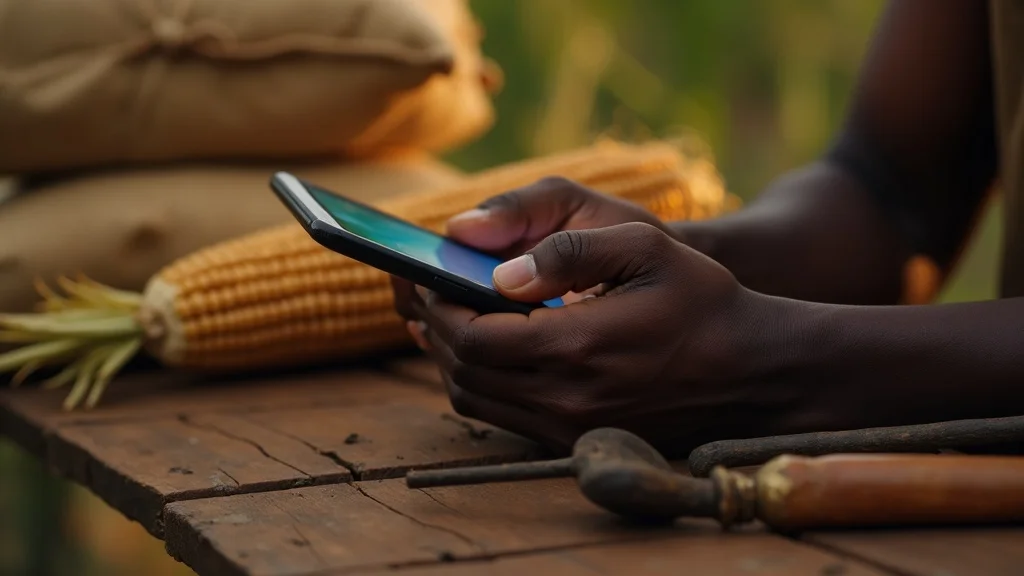
The foundation of mobile money farm payments East Africa lies in the ability to conduct transactions through simple mobile phones with or without internet access. Farmers use services like MTN MoMo, Airtel Money, Orange Money, and others to receive payment for produce, buy agricultural inputs, and even access agricultural extension services or bill payments—all through digital platforms. These platforms have been tailored to work on basic mobile devices, utilizing USSD codes and SMS for those without smartphones, ensuring broader reach to the millions of rural smallholder farmers.
A distinguishing feature of these systems is their focus on low transaction costs and instant fund transfers, even for micro-transactions. Farmers can instantly see their transaction volume, track sales, and manage digital wallets. With active users surpassing traditional banking in rural areas, mobile money services also provide attractive security—users no longer carry large sums of cash, reducing their exposure to loss or theft. This transparency and reliability have made the mobile money ecosystem the new backbone of East African agriculture.
How Mobile Money Services Work in Rural East Africa
The process of mobile money transactions in rural East Africa is seamless but robust, designed to ensure inclusivity for both tech-savvy and first-time users. Once registered, farmers receive payments into their mobile wallets from buyers or cooperatives after a quick verification via a code or text message. These funds can be used immediately to pay bills, buy inputs, transfer money to family, or even repay digital credit loans—often all from the same device.
With growing telecom infrastructure, even communities in remote areas can now participate in local digital trade and tap into services like school fees payment, selling harvest produce, or subscribing to cloud services for farm management. Services continue to innovate, adding features that support cross borders remittances, micro-insurance, and access to international markets, further weaving mobile money into the daily economy and banking framework of the East African agricultural sector.
Driving Financial Inclusion through Mobile Money Farm Payments
Bringing Financial Services to the Unbanked Population
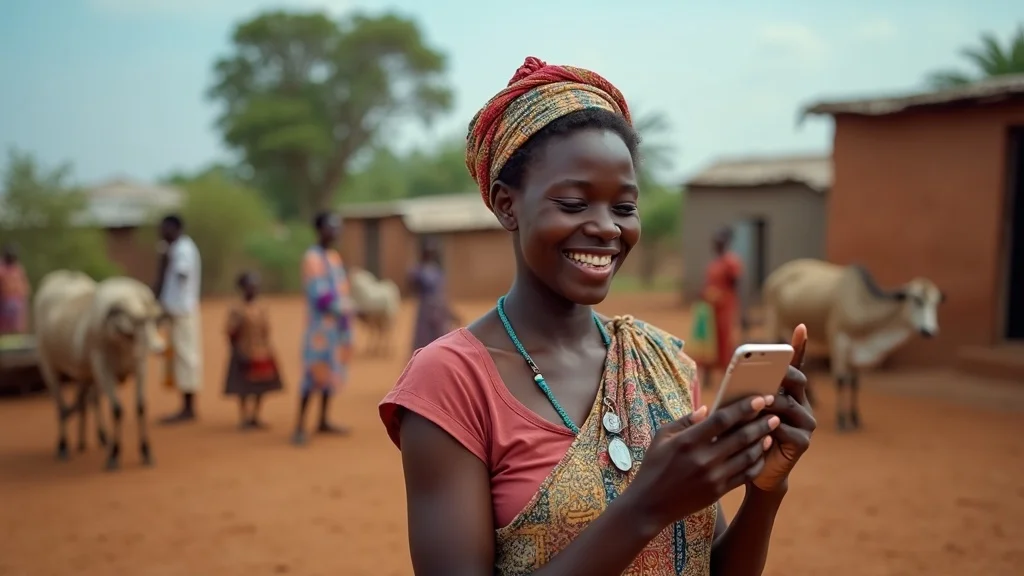
Mobile money farm payments East Africa have taken aim at a crucial barrier: access. By extending digital financial services directly to the unbanked, mobile money has created a gateway for millions to begin saving, investing, and building resilience. Innovative solutions like MTN MoMo and partnerships with large telecom companies ensure strong monthly active user bases and widespread brand trust. Previously, the lack of proximity to brick-and-mortar banks meant rural populations were excluded from formal financial systems—hindering development and reinforcing cycles of poverty.
Now, even the smallest villages can participate in financial inclusion through their phones. Digital payments make it possible for farmers—many of whom are women or otherwise marginalized people—to receive fair compensation for their crops and access a wider range of financial tools, all while forging new commercial opportunities through digital trade and rural entrepreneurship.
Digital Credit and Its Impact on Farmers’ Access to Capital
GSMA reports: “Mobile money has drastically reduced barriers to financial inclusion for smallholder farmers.”
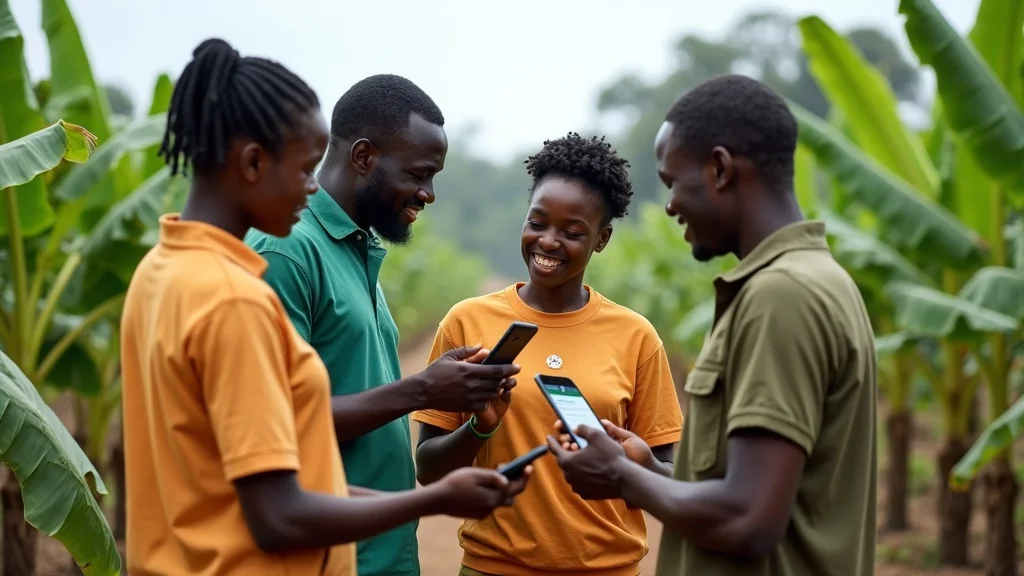
Access to digital credit is one of the most significant byproducts of the mobile money revolution in East Africa. By analyzing mobile phone transaction histories and farming patterns, digital lenders can now extend microloans tailored to seasonal cycles and cash flow realities of farmers. Whether for purchasing seeds, renting equipment, or covering emergencies, the ability to access credit digitally reduces farmers’ dependency on informal lenders who often charge exorbitant interest rates. With services like Airtel Money and MTN MoMo, loan approval is sleeker, safer, and nearly instantaneous.
These advances further promote financial inclusion by helping farmers build credit histories, increase production, and bridge the gap between harvest and payment cycles. The integration of digital credit solutions into broader mobile money platforms not only supports immediate capital needs but also dislodges long-standing structural barriers that kept East Africa’s farmers ensnared in poverty. As a result, rural economies are better positioned to participate in digital trade, diversify their income, and stabilize household livelihoods.
Benefits of Mobile Money Farm Payments in East Africa
-
Enhanced efficiency and transparency in payments
-
Lower transaction costs
-
Rapid, secure money transfers
-
More equitable digital trade opportunities
-
Empowerment of women and marginalized groups
|
Comparing Traditional vs. Mobile Money Farm Payments in East Africa |
||
|
Feature |
Traditional Cash Payments |
Mobile Money Farm Payments |
|---|---|---|
|
Transaction Speed |
Slow (1–10 days; dependent on intermediaries) |
Instant (seconds to minutes) |
|
Transparency |
Low; prone to errors and fraud |
High; digital records for both parties |
|
Security |
Cash theft, loss, and lack of recourse |
Secured by PIN; traceable transactions |
|
Access |
Requires travel to market/bank |
Accessible anywhere with mobile signal |
|
Costs |
High; fees from intermediaries, travel expenses |
Low; minimal digital transaction costs |
|
Inclusivity |
Limited for women/marginalized |
Direct access for all mobile users |
|
Cross-border Payments |
Complex and slow |
Fast and often automated |
Challenges Facing Mobile Money Farm Payments in East Africa
Technological Barriers and Rural Connectivity Issues
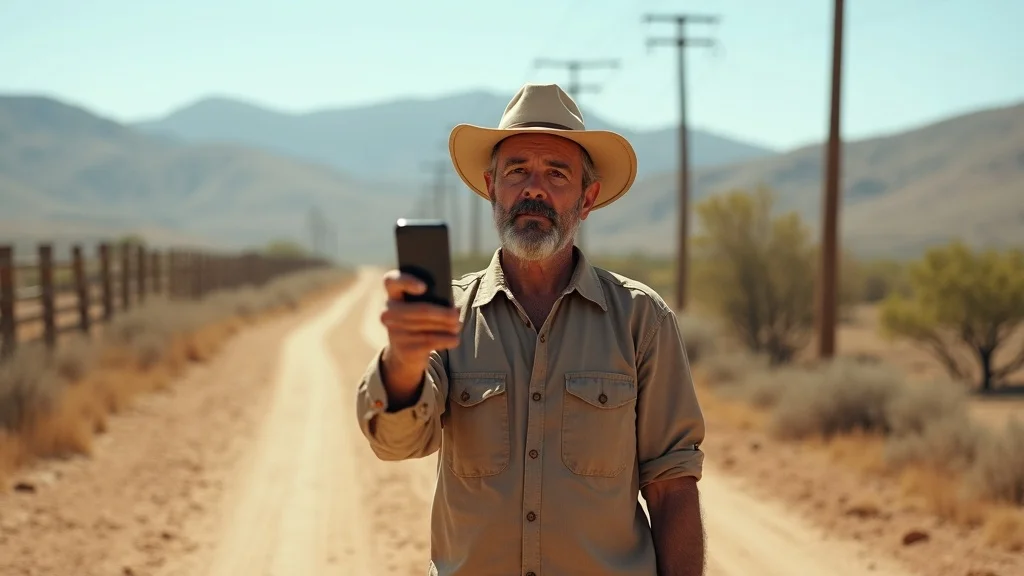
Although the mobile money ecosystem continues to grow across East Africa, not every region has reaped its full benefits. Poor telecom infrastructure and patchy mobile networks hamper reliable access to mobile money services in the most remote communities. Issues with power supply, battered devices, or incompatible mobile platforms create technological hurdles that can leave smallholder farmers on the wrong side of the digital divide. While urban centers enjoy seamless connections and robust fintech ecosystems, some rural users still find themselves trekking long distances or waiting hours for a signal strong enough to complete a transaction.
In areas where telecom infrastructure lags, even digital payments for school fees or bill payments can be a headache, making it clear that investment in infrastructure must keep pace with user demand. Without a comprehensive approach to bridging this gap, the progress of mobile money farm payments may stall for those who need them most—risking an uneven digital transformation across the region.
Digital Literacy and Farmer Training Needs
“Adopting mobile money is not without hurdles, especially in remote areas with limited connectivity.” — Regional NGO Leader
While the technology of mobile money is built for ease of use, gaps in digital literacy remain a significant challenge. Many rural farmers lack formal training in using digital services, which can make the leap to mobile banking daunting. The language of digital trade, transaction codes, and security PINs can confuse new users, increasing vulnerability to scams or mistakes. Programs led by NGOs and private sector partners are now focusing on developing training modules, local language guides, and peer-to-peer learning to help boost both confidence and competence in using these platforms for critical activities like bill payments or savings.
Ultimately, financial inclusion is only possible when all users—regardless of age or educational background—are empowered to operate digital payments securely and independently. Stakeholders across the digital economy are urged to collaborate, investing in accessible farmer education that makes digital credit, loan applications, and basic money management practical for everyone on the farm.
Mobile Money, Digital Credit, and the Future of Digital Trade in East Africa
Emerging Mobile Platforms and Innovations
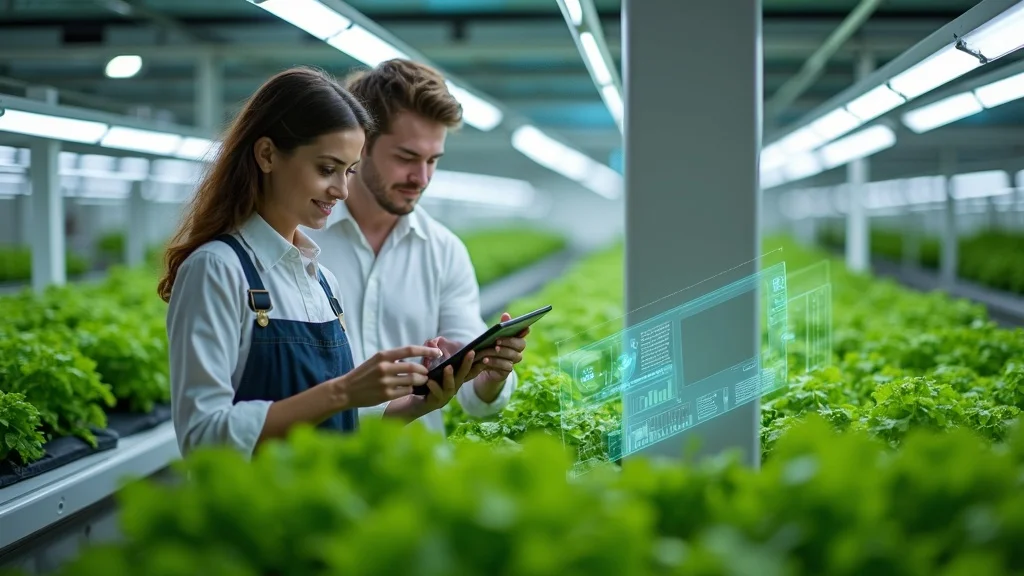
The future of mobile money farm payments East Africa looks even more promising as innovation surges. Startups and established telecom giants are rolling out new features: automatic currency exchange for cross borders trade, cloud-based farm management apps, and data-driven digital credit scoring are just a few of the upgrades on the horizon. Young agri-tech entrepreneurs are embracing mobile-first platforms that streamline digital trade and link farm communities to urban centers, wholesalers, or even overseas buyers.
These innovations aim to lower entry barriers, automate payment processes, and create a seamless payments platform experience for both buyers and sellers. A growing partnership between governments and fintech ecosystem leaders seeks to harness the power of frameworks across borders, supporting regional trade agreements and making it easier for smallholder farmers to participate in larger supply chains.
Impact of Digital Trade Evolution on Agricultural Payments
The ripple effect of digital trade evolution reaches far beyond payments themselves. Improved access to digital services allows farmers to check market prices, secure insurance, or join virtual cooperatives, deepening their foothold in the digital economy. These advances support regional trade and help farmers navigate fluctuating currencies, border policies, or shifts in demand much more effectively than ever before.
As interoperability between services improves and digital infrastructure is strengthened, expect even more growth in annual transaction volume and participation by previously excluded segments. This new digital era is positioning East Africa as a leading force in smart agricultural finance globally.
People Also Ask About Mobile Money Farm Payments in East Africa
How has mobile money improved financial inclusion for farmers in East Africa?
Mobile money has dramatically increased financial inclusion by providing simple, affordable access to banking for millions of East African farmers who previously lacked such services. By enabling direct, secure payments and offering digital credit options, these platforms let farmers participate in the digital economy, build savings, and enjoy new opportunities in digital trade—all without needing to visit a traditional bank. This shift enhances access to capital, supports investment in farm productivity, and helps stabilize incomes.
What are the main challenges of implementing mobile money for farm payments?
There are several key challenges: inconsistent telecom infrastructure in remote areas, gaps in digital literacy among older or less-educated farmers, and concerns over cybersecurity or fraud. Training and support from both public and private sectors are essential to overcoming these barriers, as is investment in rural digital infrastructure. Addressing these issues will ensure that the benefits of mobile money farm payments are accessible to all.
Is digital credit via mobile money safe and reliable for rural farmers?
Digital credit offered through mobile money platforms is generally both safe and reliable, especially when accessed through established providers with strong security protocols. These platforms use transaction histories for eligibility and require personal PIN codes, helping to minimize risks of fraud. Farmers should still practice caution, follow security advice, and avoid sharing sensitive information to maintain digital safety.
What are the long-term prospects for digital trade and mobile money in East African agriculture?
The long-term prospects are very bright. As more farmers become digitally connected and as mobile payment technologies evolve, participation in regional and international digital trade is expected to increase. This growth will drive economic resilience, access to global markets, and continued innovation in financial products—solidifying East Africa’s status as a leader in digital financial inclusion for agriculture.
Key Takeaways on Mobile Money Farm Payments in East Africa
-
Mobile money is a catalyst for rural financial inclusion.
-
Despite barriers, digital trade and credit offer promising futures.
-
Stakeholders must invest in education and rural connectivity.
Frequently Asked Questions (FAQs) On Mobile Money Farm Payments in East Africa
-
What is the role of digital credit in mobile money farm payments?
Digital credit enables farmers to access loans quickly and efficiently, often using their mobile transaction history for risk assessment, supporting investments in seeds, equipment, or covering emergencies. -
How secure are these digital transactions?
Most major mobile money providers deploy strong encryption, PIN protection, and real-time alerts, making transactions secure if users follow safety guidelines. -
Which regions in East Africa are leading adoption?
Kenya (over 90% adult adoption), Tanzania, and Uganda are frontrunners, with Rwanda (66% adults) and Ethiopia (rapid growth to 60M+ users) catching up thanks to policy reforms and telecom investments. -
How can farmers access training on mobile money usage?
Training is often available through NGOs, telecom agents, community training sessions, and government extension programs aimed at broadening digital literacy.
Informed Opinion: The Path Forward for Mobile Money Farm Payments in East Africa
“The true promise of mobile money in East African agriculture lies in its ability to close the gap between opportunity and access.” — The Author
Encouraging Stakeholder Collaboration for Lasting Impact
For mobile money farm payments to fulfill their true potential, ongoing collaboration between governments, private sector innovators, and civil society is non-negotiable. Sustainable rural digital inclusion demands investment not just in hardware and networks, but also in community education, real-world training, and resilient policy frameworks that support digital trade across borders. By promoting wide-scale financial literacy initiatives and fostering interoperable payments platforms, the promise of mobile money as a driver of prosperity and inclusion can be realized for all of East Africa.
As digital economies grow, ensuring the participation of women, minorities, and the most remote farmers must remain a shared priority. With strong partnerships, the digital transformation underway will build lasting foundations for economic equity and opportunity—securing East Africa’s position as a global leader in agricultural innovation and inclusive finance.
Summary and Reflections on the Future of Digital Financial Inclusion
The dawn of digital payments and credit is priming East African agriculture for a new future. Stakeholders must push forward, breaking barriers and amplifying voices, to ensure no farmer is left behind on the continent’s journey toward digital prosperity.
Discover More About Mobile Money Farm Payments in East Africa – Stay Updated with Our Latest Insights
Stay ahead of the curve. Subscribe to our newsletter or join our community to receive up-to-date research, case studies, and actionable guides on mobile money, digital credit, and agricultural trade innovation in East Africa.